Max Kellerman, LeSean McCoy Off DAZN Boxing Show As Mario Lopez Joins
Want more from Front Office Sports
in your search results?
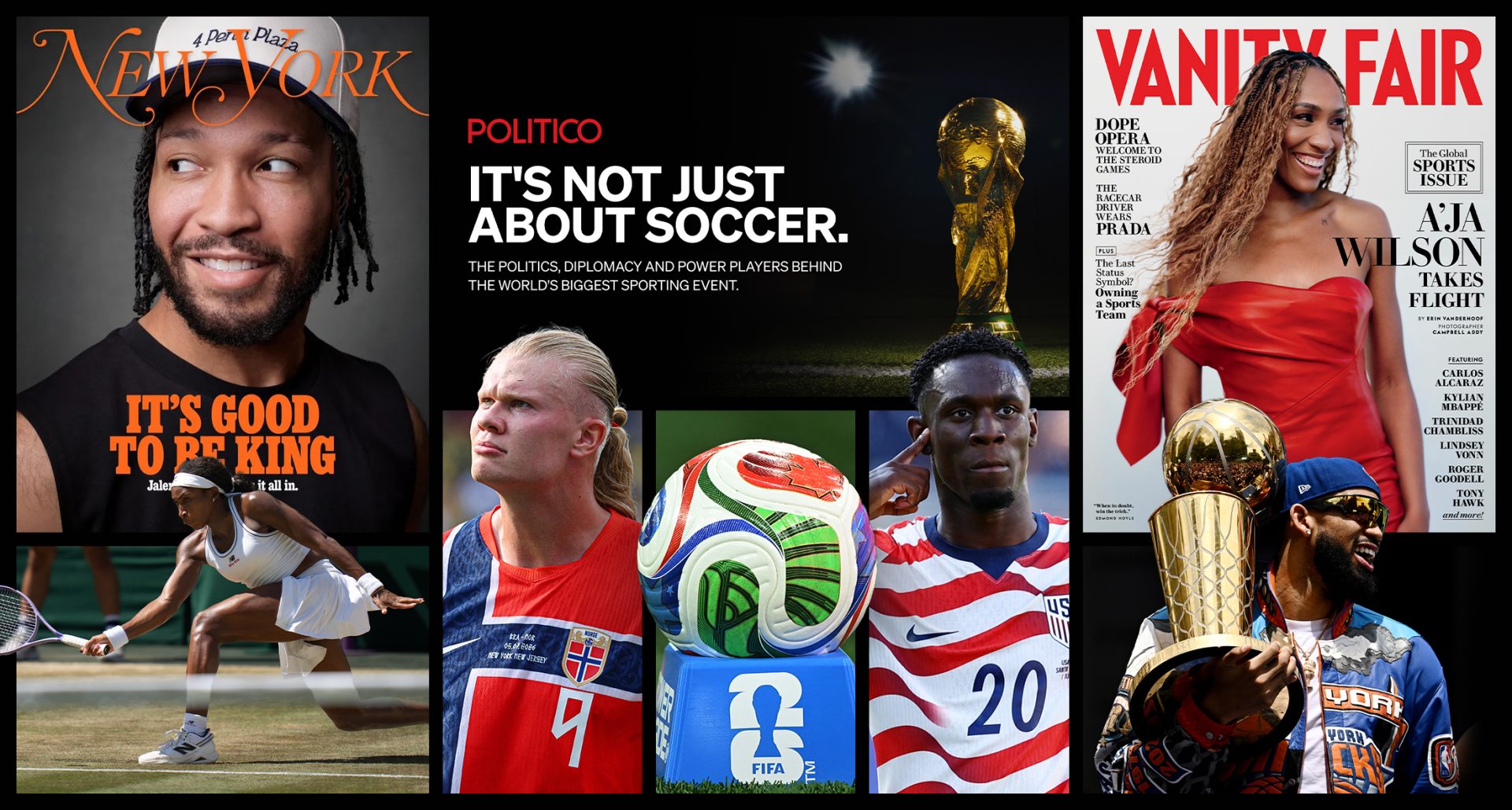
Since launching on June 12, Politico’s World Cup live blog has published more than 100 articles on the intersection of the major world sports moment and international affairs. In just a month, the hub has generated 2.5 million pageviews—a remarkable audience haul for a publication better known for politics than penalty kicks.
The blog is the culmination of an editorial strategy put into motion about a year ago, when reporters across Politico’s global newsroom began hearing rumblings that European soccer leaders were concerned about the impact certain Trump Administration policies may have on World Cup plans.
“We realized we needed to treat FIFA and its president [Gianni Infantino] as major characters in American political life,” Politico enterprise managing editor Sasha Issenberg tells Front Office Sports. “That required the development of all new sourcing and new expertise. Very few of us had ever covered sports in any real way.”
White House reporter Sophia Cai was the first to volunteer to adopt soccer as a secondary beat last spring, and others quickly followed suit. The D.C.-based outlet now has six journalists credentialed to cover matches, and is churning out several World Cup stories per day.
Politico says its World Cup reporting has consistently been among its most read and widely circulated all summer. Cai’s detailed timeline of President Donald Trump’s push to get U.S. striker Folarin Balogun back on the field for the team’s match against Belgium on July 6 was especially popular; beyond blog traffic, the story earned her several network TV appearances, and her X/Twitter post sharing the piece racked up more than 2.5 million views.
Across media, publishers that once viewed sports as too lowbrow or simply not part of their purview are making significant new investments in covering the beat.
The timing is no coincidence. As AI-generated search summaries slash website traffic, and audiences continue to fragment across platforms, media companies need content that readers actively seek out rather than simply stumble upon. Sports—with obsessive fan bases, a year-round calendar, consistent viewership growth, and increasingly rich storylines that spill into politics, business, and culture more broadly—offers a solution.
“Should Have Been Doing This All Along”
In the past few months alone, the transition is omnipresent: Vanity Fair published its first global sports issue with three athlete cover stars; CNN added a handful of veteran sports reporters; NBA Finals hero Jalen Brunson landed on the cover of New York magazine; The Atlantic gave a reporter $10,000 of the magazine’s money to gamble on the NFL; and Time launched a new franchise recognizing the most influential people in sports, for whom it will throw a star-studded gala in July.
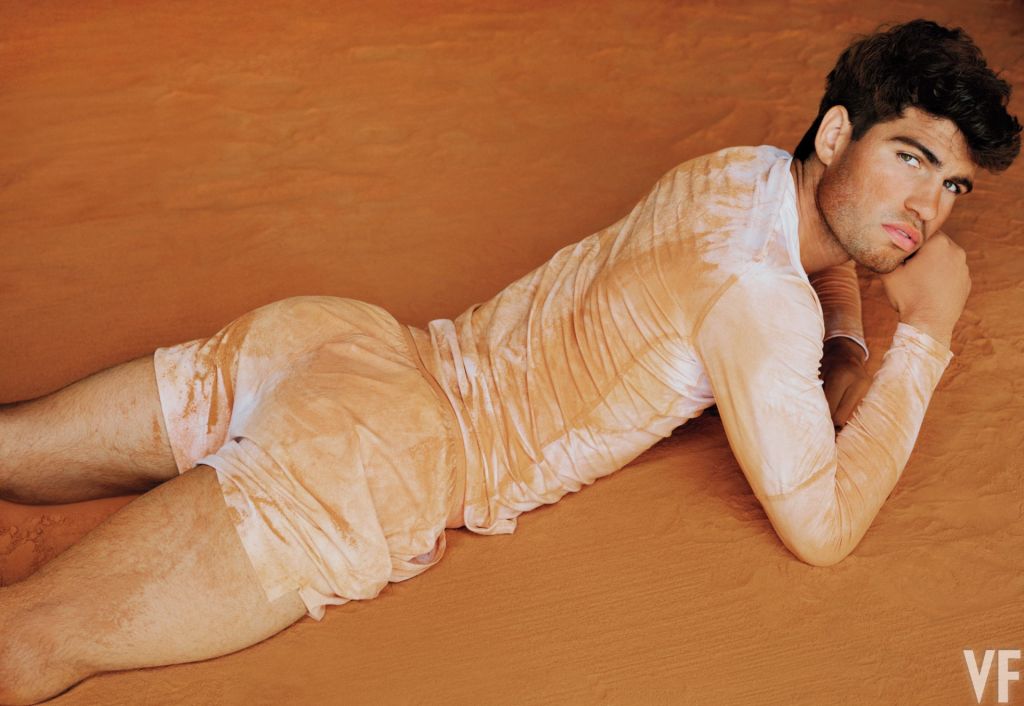
Sports, of course, has always drawn mainstream interest. But the flood of new attention from glossies and hard-news publications alike is a response to the growing cultural influence of athletes.
It’s now commonplace for sports stars to explore several pursuits in tandem with their playing careers: everything from entrepreneurship and investing to music and political activism. They’re also flat-out celebrities with more cultural cachet than ever. Everyone who spoke to FOS referred to sports as “the last” or “one of the last” monocultures left in America.
Dan Gyves, SVP of sales at football agency Athletes First, says this dynamic “gives [athletes] real expertise and compelling stories” that open the floodgates to coverage from all angles. The result is a bottomless well of possible sports-related content, spanning Hollywood, fashion, business, politics, and more. And as publishers clamor to find their own ways to tell these stories, audiences are equally eager to consume them.
Like Politico, Vanity Fair reaped new readership, several viral moments, and follow-on coverage tied to its recent sports blitz, which included dispatches from exclusive events such as the Winter Equestrian Festival in Wellington, Florida, and dishy profiles of power players like NFL commissioner Roger Goodell and LSU football head coach Lane Kiffin. Deputy editor Claire Howorth tells FOS the staggering response “proved [the magazine] should have been doing this all along.”
Legacy print media, long existentially threatened and lamented as cratering, has also experienced a sports-centric audience surge. In June, a duo of Knicks-themed covers from The New Yorker became must-have collector’s items amid the team’s historic Finals performance, causing a run on newsstands across the city.
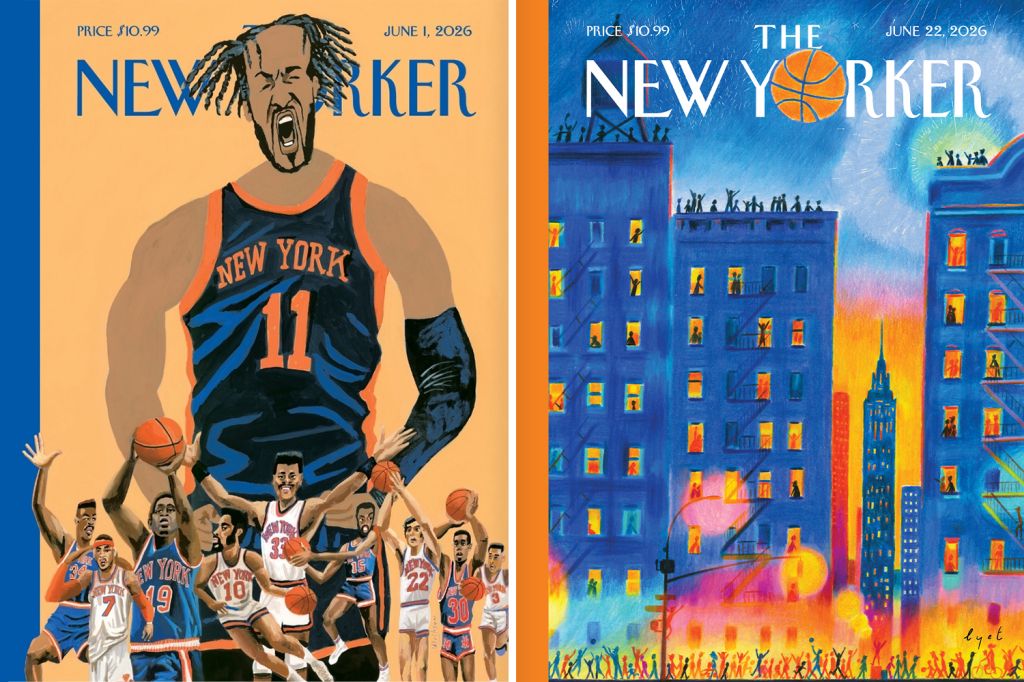
According to New Yorker art editor Françoise Mouly, it’s highly unusual for the prestige title to go with similarly themed covers in such a short period. But the nature of the moment demanded it: “The city just exploded as the Knicks kept winning,” she says. “We knew we needed an encore.” Weeks later, Mouly adds, digital prints are still “selling like hotcakes” on Condé Nast’s online store. They’re also being hawked on eBay to the tune of $100-plus.
Jockeying for Relevance
It’s a good time for the sports content flywheel to be humming with such organic momentum.
Amid an ongoing decline in audience and revenue for many publishers, search engines’ recent embrace of AI-generated summaries has reduced website traffic even further—a phenomenon that worried industry executives have bleakly coined “Google Zero.” However, some content areas appear more immune to a summarized fate than others.
For FOS, digital market-intelligence company Similarweb conducted an analysis of visits to roughly 50 sports-focused sites and 50 news-focused sites throughout the past 12 months. While traffic declined for both categories, sports sites held up far better; total visits to them fell just 2.8%, compared to a 16.7% drop for news sites.
Exactly what prompts an AI-generated summary remains something of a black box across most search engines. But additional research by SEO-intelligence platform Ahrefs suggests the always-on nature of athletics makes sports content less likely to trigger AI overviews that eat away at pageviews than some other more static topics, such as science and health.
Still, simply churning out sports-tinged stories isn’t a silver bullet: Publishers need to produce work that actually resonates, especially as more and more get into the game. Media-industry analyst Simon Owens says today’s savviest brands are “doubling down on highly differentiated content so audiences will seek them out specifically.”
That means more crossover storytelling is likely on the horizon, with publications looking to apply their core expertise to the big characters and major cultural and business moments in sports.
The Long Game
Vanity Fair is staying sports-curious: Howorth tells FOS the magazine plans to “closely follow Lane Kiffin this fall.” And with major upcoming events like the 2028 Olympics in Los Angeles—which is already producing its own intersectional drama—some publishers are getting even more bullish.
Politico, for instance, hired a Los Angeles–based reporter earlier this year, whose remit includes tracking Olympic storylines around the host city. The 2031 FIFA Women’s World Cup will also be a massive point of investment for many outlets, especially with several of the 104 matches of the expanded, 48-team tournament to be played in the U.S.
Not every media brand sees sports as an area to scale. In February, the Jeff Bezos–owned Washington Post cut its sports section, axing a slew of veteran reporters and editors; and last year, restructuring at Condé Nast’s GQ eliminated the publication’s sports editor. Both publications continue to cover the topic in some capacity—WaPo has even since relisted some sportswriting positions—but the moves contrast starkly with so much momentum in the opposite direction.
However far publications are creeping into sports, and from which angles, there’s still no guarantee the foray into the topic will continue to pay dividends. Algorithms are fickle, and audience attention can turn quickly with the next big thing. But for as long as media wants to invest, there’s probably enough room for everyone.
“We’re in the golden age of sports storytelling,” says Jeff Fellenzer, a USC professor of sports, business, and media, and also a Heisman Trophy voter. “There aren’t enough days left in the history of the universe to cover all of the stories in sports.”