Want more from Front Office Sports
in your search results?
The 2026–27 college basketball season has tipped off after a chaotic offseason dominated by one unclear question: Who is eligible to play?
Over the summer, courts across the country offered disparate decisions on whether basketball players should be granted a fifth year of eligibility; the NCAA has continued fighting in court, while conferences have created diverging rules about professional player involvement.
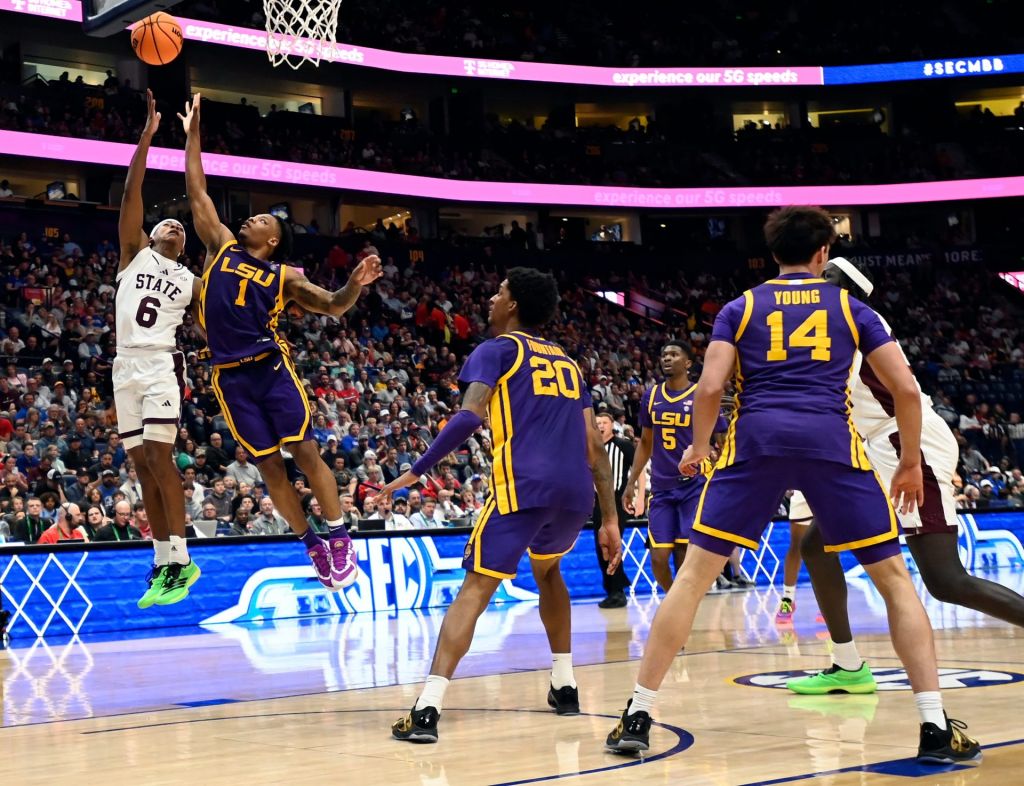
Men’s and women’s programs across Division I have been affected. But no roster was more emblematic of the chaos than Will Wade’s LSU men’s basketball team, which was shrouded in mystery for most of the offseason due to multiple eligibility quagmires.
“Just ’cause it’s unconventional doesn’t mean it’s not going to work,” Wade said of his roster construction in September. “It may not work. If it doesn’t work, write about what an idiot I am.”
For most of college basketball, the chaos began in June, when the NCAA announced its new age-based eligibility rule, allowing players five years to complete five seasons (up from four seasons) starting on their 19th birthday or when they entered college—whichever came first. But the NCAA chose not to grandfather in players who started college in 2022.
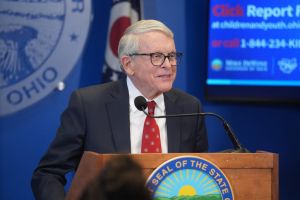
That decision sparked chaos. Hundreds of athletes in state and federal courts sued for the right to a fifth year. Even Ohio’s governor got involved, issuing an executive order in favor of the players.
Two of these players found themselves on Wade’s LSU roster: former UCLA Bruins Skyy Clark and Donovan Dent. The NCAA tried to challenge the ruling, but the injunction giving them and other players a fifth year was ultimately upheld.
LSU Controversy
The fifth-year eligibility conundrum then birthed a secondary controversy this summer, which originated with Wade’s colleague, head football coach Lane Kiffin.
Kiffin had recruited former Ole Miss football players Dae’Quan Wright and Zxavian Harris to follow him to LSU; the players sued for a fifth year of eligibility, but they made waves because they had appeared on NFL preseason rosters and had signed NFL preseason contracts during the summer—when they believed their four years of eligibility had expired.
In response, several conferences tried to prevent this scenario, announcing rules that barred players who had signed contracts with the NFL, G League, or NBA from returning to college.
The situation created a patchwork of rules across college basketball. The power conferences, for example, implemented bans on pro players returning to college basketball that were even stricter than those of the NCAA (because conference rules banned former G Leaguers). But other conferences, including the Big East, did not implement these types of bans.
Kiffin, for his part, gave up on rostering Wright and Harris in early September after the SEC sued LSU. At that time, it was unclear whether Wade would continue to support a former pro of his own: former St. John’s standout RJ Luis Jr., who had won an injunction despite having signed two NBA contracts and playing in the G League.
After weeks of uncertainty—and after the SEC referred to the Luis situation in its lawsuit—Wade recently confirmed Luis has not been rostered, and he has said the team would not run afoul of the SEC’s rule. That position appears to have held, despite Luis’s lawyer winning a motion that may prevent the SEC from punishing LSU for playing him. As of Monday, Luis was still not listed on the roster.
The Tigers suit up for their season opener against New Orleans on Tuesday night, with a roster of 18.
Despite the regular season finally tipping off, legal battles continue on the sidelines. Multiple eligibility lawsuits continue, including the Supreme Court of Ohio’s review of the Borovicanin v. NCAA case, the first case challenging the NCAA’s new rule that counts both men’s and women’s basketball players as plaintiffs. The SEC is still, as of now, plowing forward with its lawsuit against LSU. The NCAA isn’t backing down either—in addition to appealing individual eligibility rulings, the governing body is suing Ohio Gov. Mike DeWine over his executive order.
“The NCAA will continue to pursue all available avenues to defend the membership’s rules,” NCAA chief legal officer Scott Bearby wrote in a letter to schools last week. He added the situation “creates a fundamental injustice that strikes at the core of fairness in college sports.”
Download the FOS App
The business of sports, in your pocket.



Scan the QR code to get the app now.