
ESPN Warns Talent About Insider Betting on Prediction Markets
Want more from Front Office Sports
in your search results?
Kim Hackney and Frances Freeman’s inboxes are full of emails from potential customers, all asking for the same thing: mahjong sets featuring their favorite college’s logos and colors.
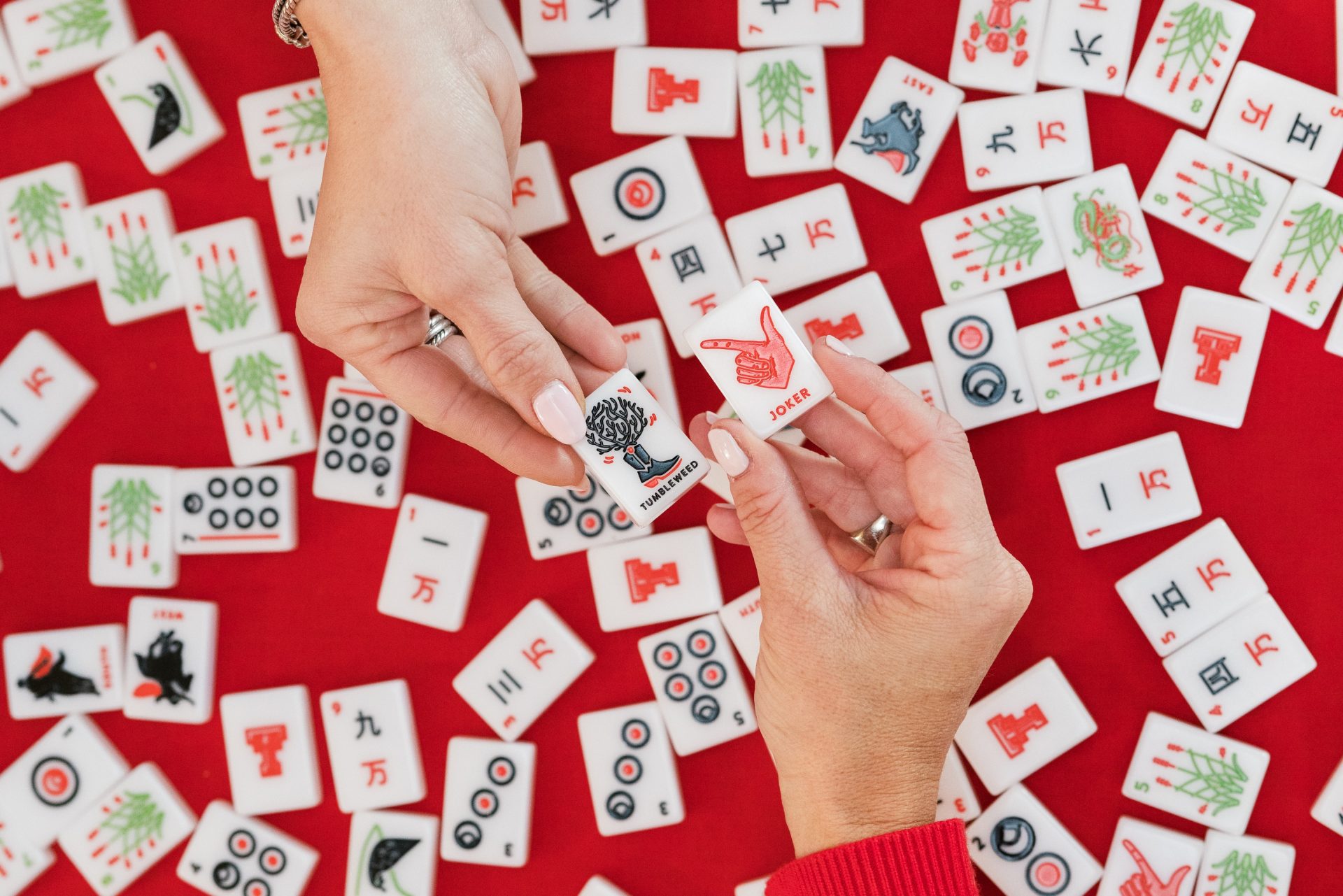
The mother-daughter duo, both Ole Miss alumnae, have owned a college lifestyle brand called Foster Collegiate since 2020. After initially selling upscale, officially licensed versions of everyday items including playing cards, tote bags, and table linens, they added mahjong sets to their product mix for a handful of SEC schools in mid-2024.
“We’ve sold thousands of sets in a little over two years,” Hackney tells Front Office Sports. A typical Foster set includes 160 acrylic playing tiles engraved with campus-specific imagery, and retails for around $450. The brand now holds mahjong licenses for 40 colleges across the country, with “lots more” on the way.
As the centuries-old Chinese game surges in popularity stateside thanks to social media, it’s increasingly finding a place alongside college sports, particularly among women—both as a tailgate activity and an outlet for fandom.
“Mahjong is something you do around a table with friends, which gives off a kind of nostalgic feeling that a lot of people associate with their college days,” says Freeman. “But the sets themselves are also just intricate and beautiful; whether actually being played or just in a display box, they’re a really distinctive way to show school pride.”
Alongside Foster, a handful of other boutique retailers are also finding success at the intersection of these two booming markets, giving rise to a new—and lucrative—category of sports merchandise.
Quickly Expanding
Forty-nine universities have at least one active mahjong-related licensee, according to the Collegiate Licensing Company (CLC), a Learfield subsidiary that handles licensing for the majority of college brands. All of the licenses have been secured within the past two-and-a-half years and are held by just four companies, each of which are women-owned small businesses based in the South: Foster, Girl Tribe, Charlotte & Rose Co., and West Wind Mahjong.
The lattermost was founded in 2024 by Anne Potter, a mahjong enthusiast and former TCU soccer player. “The response has been tremendous,” she tells FOS about her collegiate sets, which sell for $425. “Twelve collections have sold out, some more than once. Texas Tech, Texas A&M, and UNC have been my strongest sellers to date … Keeping sets available has been one of my biggest challenges.”
Like Foster, West Wind is inundated with school requests and is adding licenses at a steady clip—through CLC and other major brokers, including Fanatics and Affinity Licensing. The owners of both say the application process is now fairly quick since they’ve developed personal relationships with most major schools, but the production process is not.
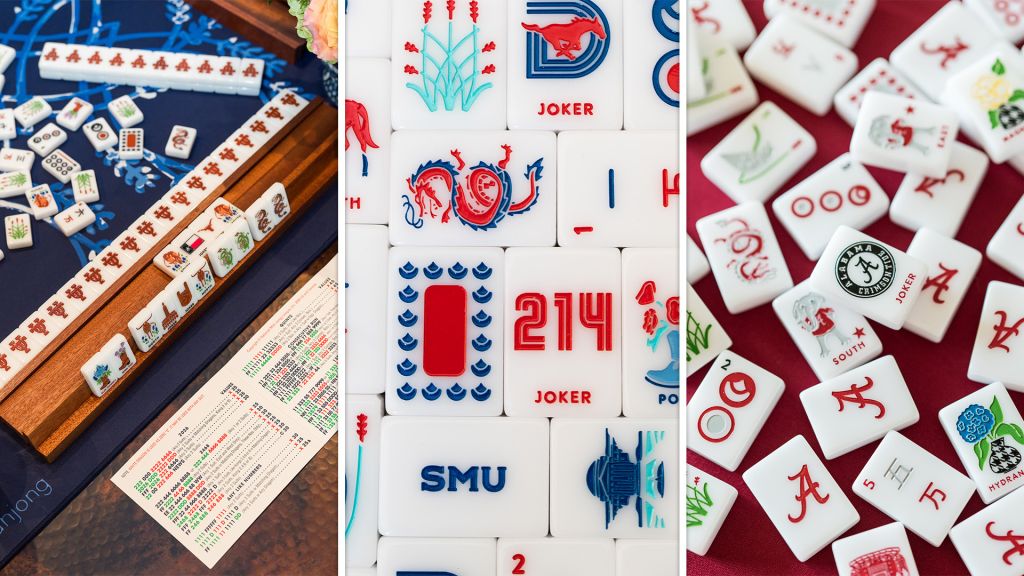
Most mahjong sets contain 152 or 160 highly detailed acrylic tiles. Retailers spend weeks consulting with alumni groups and current students to identify several school-specific images—notable landmarks, beloved mascots, or unique campus traditions—that can be incorporated into tile designs without obscuring the game’s three suits (called dots, cracks, and bams). They then create digital illustrations to send to manufacturers—still almost exclusively located in China—who engrave and paint each tile before shipping orders back to the United States.
The process can take anywhere from four to eight months. Because of this, most retailers rely on preorders to gauge demand, waiting until they’ve generated enough interest in a sizable batch—usually 150 or 200 sets—before placing an order with the manufacturer.
“The fact that customers are willing to preorder and then wait so long [for delivery] says a lot about how meaningful these sets are to them,” says Potter.
NPR recently reported that most Chinese-manufactured sets wholesale for around $30. Even accounting for higher production costs associated with intricate collegiate designs and licensing royalties, an average retail price of $450 produces very healthy profit margins.
Going Pro?
With such success in the college market, some boutiques have their sights set on professional teams. But they may encounter more friction at the next level.
“To license with them, professional sports leagues require massive upfront fees and large sales minimums, which makes it hard for independent retailers to get in,” says Karen Raugust, a licensing expert. “Mahjong is getting a higher and higher profile every day, so I’m sure it’s an area most pro leagues are actively considering. But it’s more likely that they’ll go about it through relevant existing licensees—like those in giftware or tabletop games—than bring on a new, small company.”
Potter says pro sports are still central to her “longer-term vision” for West Wind Mahjong. For now, though, she and others see plenty of room to grow in the college space.
“Mahjong is sort of contagious,” Foster Collegiate’s Hackney tells FOS. (Several college football coaches have reportedly become regular players in the past year.) “Men are seeing it being played at tailgates here in the South or by their wives and daughters while they’re at home watching games on Saturdays and going, ‘Oh, that’s my school—so that can be my game, too.’”
Download the FOS App
The business of sports, in your pocket.



Scan the QR code to get the app now.