Want more from Front Office Sports
in your search results?
The players who filed the first lawsuit challenging the implementation of the NCAA’s new age-based eligibility model just scored a major win, allowing them eligibility for the start of college basketball season in November.
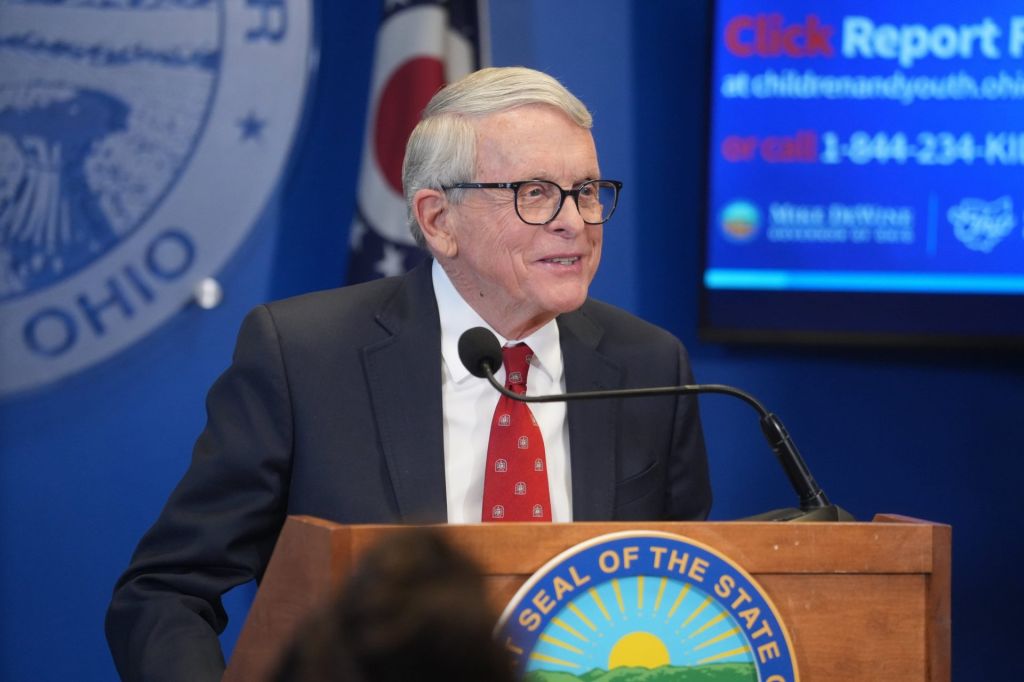
On Thursday, Ohio’s state Supreme Court upheld a preliminary injunction stating that the NCAA must allow a group of college basketball players who started school in 2022 a fifth year of eligibility. The decision, which reversed an appeals court ruling, came shortly after Ohio Gov. Mike DeWine filed an executive order stating that schools should allow players who started college in 2022 another year of eligibility.
On Thursday, plaintiff attorneys posted a copy of the order in celebration on X.
The NCAA, meanwhile, sent a letter to members decrying the decision and vowing to continue defending the implementation of the new eligibility policy. “This only adds to the uncertainty and disruption created by piecemeal litigation against rules that apply across the country and that member institutions agreed to follow,” NCAA chief legal officer Scott Bearby wrote.
The lawsuit, Borovicanin v. NCAA, was first filed in June by Division I men’s and women’s college basketball players just 24 hours after the NCAA announced a new age-based eligibility policy. The new rule offers players five years to complete five seasons of college sports (up from four) starting when they enter college or their 19th birthday, whichever comes first. But the NCAA decided not to grandfather in players who started college in 2022 and already exhausted four years—leading to a flood of lawsuits from athletes in this position.
In July, players in the Borovicanin case quickly won a preliminary injunction from a Hamilton County court judge allowing players a fifth year. But earlier this month, the Ohio court of appeals overturned the injunction.
While the case awaited another appeal to the Ohio state supreme court it received a curveball: DeWine issued an executive order stating that players caught in the class of 2022 limbo should be allowed to play this season, provided they were under the NCAA’s age limit and hadn’t participated in pro activities.
The executive order had an immediate impact. The next day, the Ohio state supreme court asked parties to brief the court on how it could affect the case. In its ruling, the court cited the executive order as part of its ultimate decision allowing the preliminary injunction to remain in effect.
The legal battle in Ohio over college athlete eligibility is far from over. The Borovicanin case is still awaiting a final ruling. Plus, the NCAA has sued DeWine over the legality of the executive order.
“Nothing about today’s court order changes the NCAA’s position regarding the Ohio Governor’s Executive Order,” Bearby wrote Thursday. “The Executive Order has no legal foundation, and we will continue to challenge it in federal court. The NCAA will continue to pursue all available avenues to defend the membership’s rules.”
Download the FOS App
The business of sports, in your pocket.



Scan the QR code to get the app now.