Want more from Front Office Sports
in your search results?
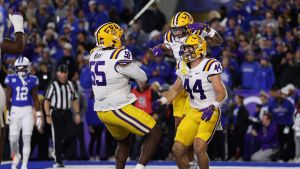
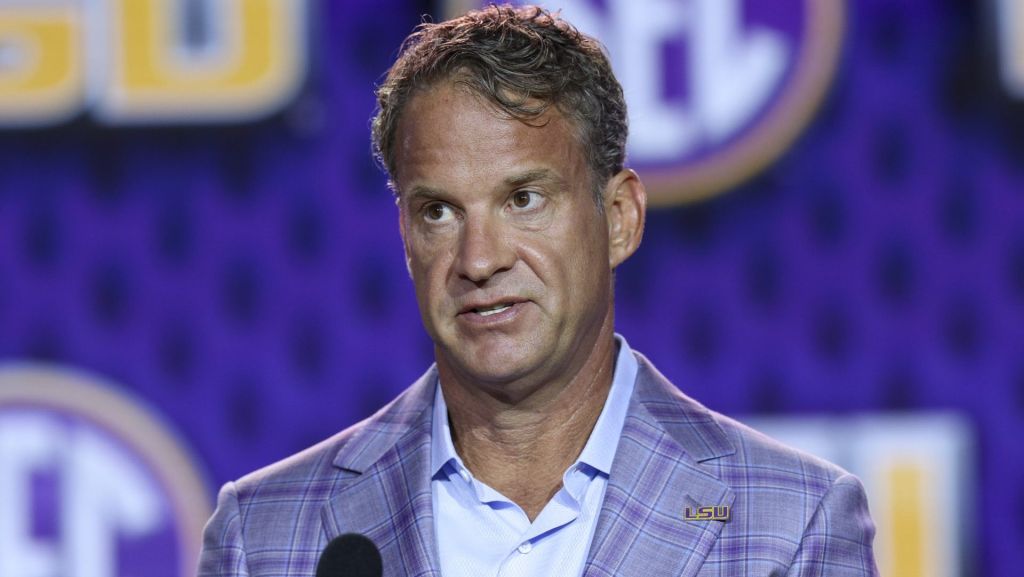
On Thursday, the Southeastern Conference filed a federal lawsuit against LSU, AD Verge Ausberry, and head football coach Lane Kiffin seeking clarification from a judge that they have the legal authority to enforce penalties against the Tigers if they decide to roster players who participated in the NFL preseason.
It’s the latest step in the brewing legal battle between the SEC and LSU—and one that comes in the middle of a Baton Rouge court hearing in a separate Louisiana case over eligibility for these athletes.
The lawsuit has been considered a likely next step for the SEC as it contends not just with this particular issue, but also with an existential question of whether it can enforce any rules as a conference without legal challenges.
On3 first reported the lawsuit.
The complaint argues that the SEC has First Amendment rights allowing it to prevent LSU from playing these athletes. “Defendants have forced the SEC to associate its athletic competitions and the conduct of the Conference with professional athletes over the express and unanimous objection of every member institution aside from LSU. Such forced association undermines the SEC’s identity and purpose and impairs the Conference’s ability to express the values it has publicly espoused.”
As such, the SEC is requesting the court “enter a preliminary and permanent injunction prohibiting Defendants from violating the Conference’s First Amendment rights by compelling the Conference to associate with conduct that is contrary to the Conference’s purpose and mission.”
The situation started two weeks ago, when a group of players sued the NCAA for a fifth year of eligibility—one of the many cases challenging the implementation of the NCAA’s “age-based eligibility model,” and how the NCAA chose to exclude athletes who started college in 2022 but exhausted their four years. The case made waves, however, because some of the players had already participated in NFL preseason activities.
The judge granted a temporary restraining order allowing the players eligibility—and LSU scooped up two of these players from the NFL’s preseason: Dae’Quan Wright and Zxavian Harris. In response, the SEC passed a rule banning players who signed NFL contracts (including preseason) and appeared on NFL rosters from playing, promising to assign schools harsh penalties. But LSU still intended to sign them, Kiffin said earlier this week, and the players’ attorneys got the SEC added to the lawsuit.
The complaint accuses LSU of engaging in “a deliberate and coordinated campaign to recruit professional athletes to play football for LSU during the 2026-27 season, including players who had signed NFL contracts with the Cleveland Browns, New Orleans Saints and Tampa Bay Buccaneers,” and adds that LSU saw the challenges to the NCAA eligibility policy “as an opportunity to be exploited.”
The conference also tried to distance itself from allegations that it was targeting players specifically. “The SEC does not bring this action to declare any student-athlete ineligible or to prevent any student-athlete from participating in any athletic competition,” the complaint reads. “This action is directed solely at the member institution and athletic department personnel that have violated the SEC’s rights under the First Amendment.”
Now, the SEC is taking its own proactive action. It’s similar to the situation that the Big 12 went through with Texas Tech when the school considered playing former quarterback Brendan Sorsby after he violated the NCAA’s gambling policy. The conference filed a lawsuit against Texas Tech, but it was dropped after the Red Raiders and Sorsby parted ways.
The SEC could not immediately be reached for comment. LSU athletics declined comment.
Download the FOS App
The business of sports, in your pocket.



Scan the QR code to get the app now.