Want more from Front Office Sports
in your search results?
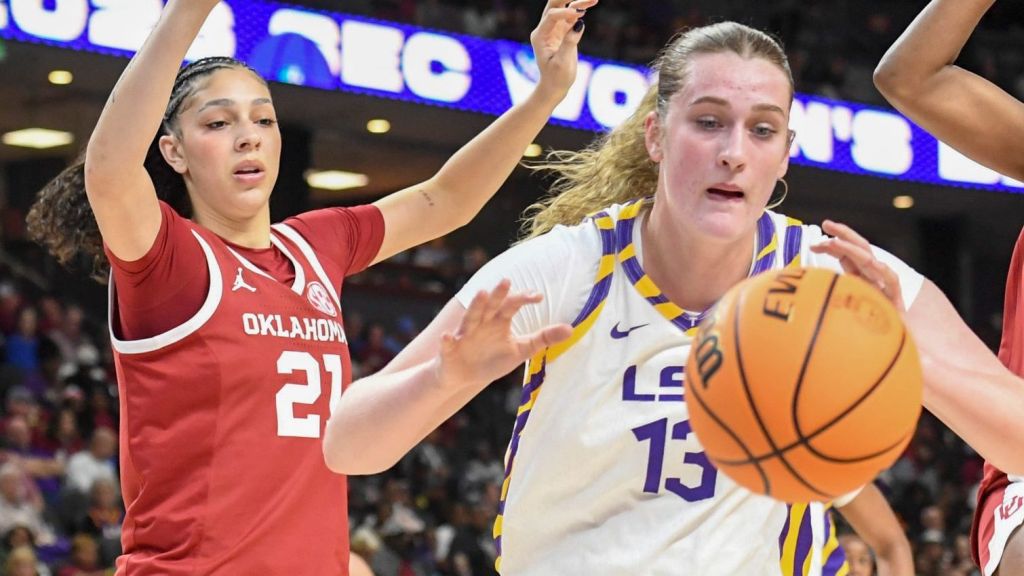
The NCAA has granted a waiver to former LSU women’s basketball player Kate Koval, a Ukrainian who quit the program after head coach Kim Mulkey signed a Russian player.
Koval put out a statement last week asking the NCAA to consider her circumstances and allow her to play basketball elsewhere for the 2026–27 season. The senior played one season at Notre Dame before coming to Baton Rouge, where she was expected to be the Tigers’ starting center this year.
“I hope the NCAA recognizes the circumstances surrounding my situation and understands the seriousness and deep nature of this matter,” Koval posted on Instagram.
The NCAA has granted her the waiver, Front Office Sports confirmed Thursday. Koval is now in the transfer portal thanks to a “legislative relief waiver,” according to USA Today Sports.
On Aug. 14, LSU announced the signing of 17-year-old Anna Minaeva, who has already played professionally in Russia. On Aug. 24, Mulkey posted on social media that Koval had come to her the day prior to quit the program. A spokesperson for LSU told FOS that Koval told the school she wanted to withdraw as a student.
The NCAA transfer portal is long closed, and Koval would need a special exception to compete elsewhere this year.
In her statement last week, Koval confirmed she quit because of Minaeva. Koval’s father is a drone operator in the war that began in Feb. 2022.
Koval said she began to “question whether LSU remained the right place for me” after she was told “several days after the transfer portal had closed” that LSU was going to sign a Russian player.
“For me, this war is not distant or abstract,” Koval posted. “People close to me have been killed and wounded in Russian attacks, and places where I grew up and first began playing basketball have been destroyed by missile strikes.”
Before Koval left the program, Mulkey told The Advocate that she had a conversation with her Ukrainian player about Minaeva, and told her she “cannot make a decision to not recruit somebody that can help our program because of a conflict between two countries.”
Download the FOS App
The business of sports, in your pocket.



Scan the QR code to get the app now.