Want more from Front Office Sports
in your search results?
ST. PETERSBURG, Fla. — The team from baseball’s smallest media market is now one of the sport’s biggest champions ever.
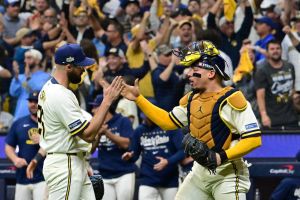
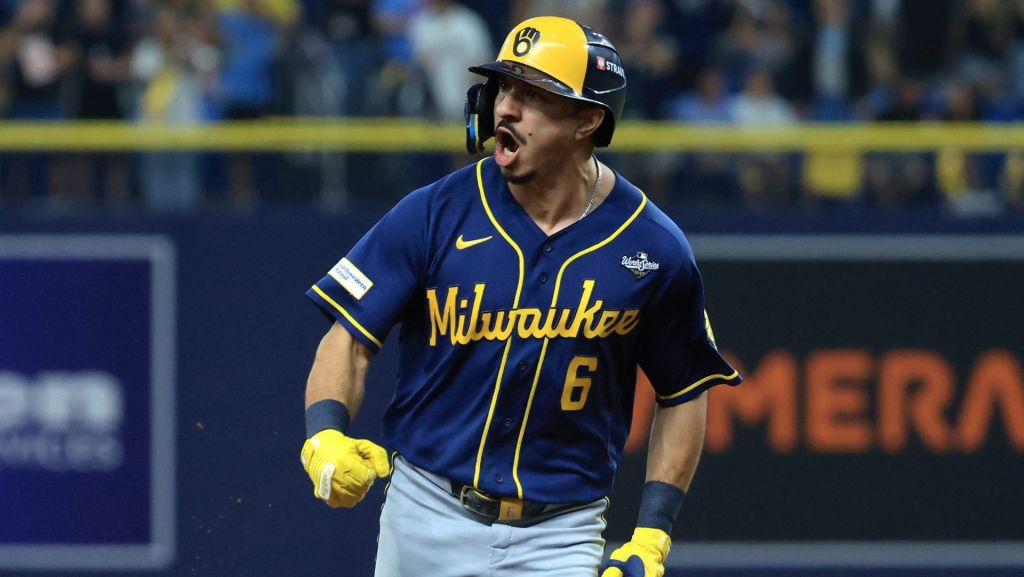
The Brewers defeated the Rays in Game 5 of the World Series to win their first title in franchise history. Milwaukee’s convincing Fall Classic performance completed a dominant 11–2 postseason run in which it beat an upstart Padres team, dispatched the two-time defending champion Dodgers, and then ousted the Rays.
This Milwaukee team also led MLB in the regular season with a club-record 103 wins, and as a result, is already poised to be remembered as one of the strongest squads in league history.
The Brewers’ fan base, however, has been even more remarkable. That group’s unyielding passion, mirroring the club’s relentless lineup, has been a defining storyline of this World Series. Milwaukee is MLB’s smallest media market, but the club has consistently performed well beyond its size in attendance, viewership, and merchandise sales—never more so than during the past month.
This Fall Classic, in particular, has seen Brewers fans set several ticket and merchandise records, along with the best local-market viewership to start a World Series since 2019 and even better television metrics for Game 2. Thousands of Brewers fans at the Rays’ Tropicana Field made Game 3 feel like a Milwaukee home game, and that feeling only grew for Game 4 and the clinching Game 5.
For the fourth straight season, the World Series winner received the championship trophy on the opposing team’s field.
The Brewers’ victory, meanwhile, fulfills a vision created by former club owner and MLB commissioner emeritus Bud Selig, who moved the former Seattle Pilots to Milwaukee in 1970.
What’s Next
With the 2026 MLB season officially concluded, the big question is when the next big-league baseball game will happen. The league has already released its 2027 schedule and plans for the earliest traditional Opening Day ever.
It’s not certain that the March 24 start will happen as scheduled, though, as MLB and the MLB Players Association remain locked in bitter labor talks. The current collective bargaining agreement expires on Dec. 1, and a management lockout at that point is widely expected.
MLB club owners are seeking several dramatic changes, including a hard salary cap and floor, significant restrictions on free agency, a retooled draft, and a 154-game regular season.
The union vehemently opposes many of those potential measures, particularly the cap, and is looking to preserve the core of the current, market-based economic system.
The low-budget World Series won by the Brewers served as a further flash point in the ongoing economic divide between the two sides, and the union said that the matchup helped “undermine” the owners’ argument for a salary cap.
While there are still faint glimmers of hope that a labor deal can be reached in time to preserve the 2027 season, there is plenty of hard negotiating to come this offseason.
Download the FOS App
The business of sports, in your pocket.



Scan the QR code to get the app now.