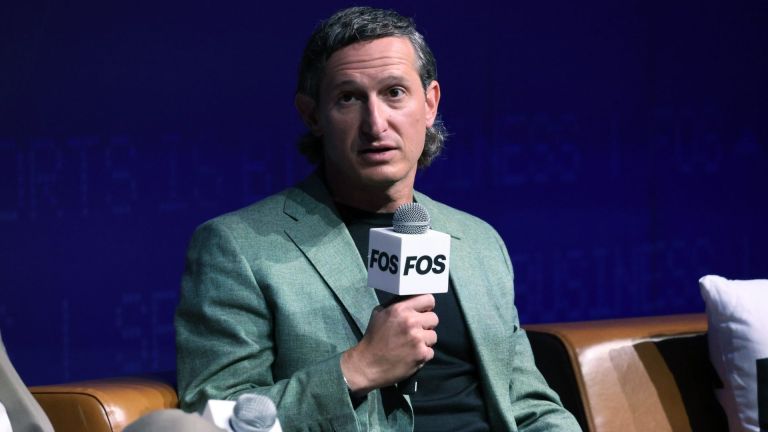
Kalshi cofounder Tarek Mansour is a self-professed “math nerd” who inexplicably finds himself in the midst of a generational battle between traditional sports betting and the disruptive force that is prediction markets.
Speaking to Front Office Sports at Kalshi’s New York City headquarters, he’s most excited by his company’s recent launch of perpetual futures and the fact that businesses and teams have begun to use his platform to hedge against the risk of financial loss due to things like free drink promos or relegation.
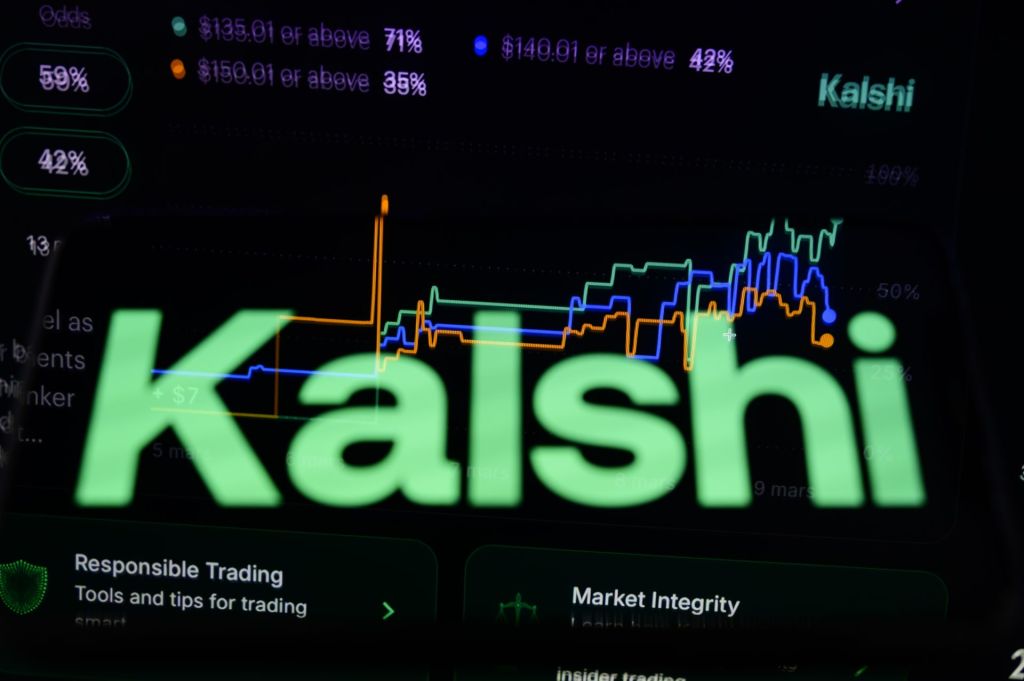
But sports event contracts are perhaps the most pressing issue in prediction markets, and it’s where much of Kalshi’s trading volume has come from—although Mansour notes the percentage of total volume from sports has been declining in recent months (data from analytics firm Dune suggests he has a point; for awhile, sports represented over 90% of total trading volume on Kalshi, but in the week of June 8 it made up only 53%, and the last time it was over 60% was the week of April 27).
Front Office Sports: You first launched sports event contracts in January of last year. You had to expect sports would be a lightning rod, right?
Mansour: I don’t know. I mean, look, elections were really the first time we went mainstream. We had spent four years with no product, just trying the regulatory route, and then we had to sue the government because we disagreed on the legal interpretation. We won, and that was the first time we saw a real inflection, where we had a critical mass of customers, crypto was going well, and culture markets were starting to show early signs of being a bigger category.
I don’t really think in those terms, we think about what our customers are asking for, and is there a way for us to bring it in a regulated, responsible way. That’s always been our playbook.
FOS: You’re dealing with a lot of people fighting against the rise of the industry. You have politicians proposing various bills, you have the DraftKings cofounder who has been attacking you personally and criticizing things like Kalshi’s marketing and the way it reports volume. I wanted to give you the opportunity to respond to all of that stuff.
Mansour: To me there’s sort of two buckets. There’s a bucket which is fair and reasonable; how do we establish the right guardrails, improve customer protection, and ensure market integrity? I’m all for that. We’ve supported a lot of bills, like anything about curbing insider trading—which, insider trading is already [prohibited] under the law. Unfortunately, we have a bit of this dynamic with some of our offshore competitors that are sort of letting it happen or promoting it.
But the more important thing is that if we can do more on that front, I’m all for it. And Kalshi has been going above and beyond what’s required strictly under the law. We do post-trade surveillance that places like the Nasdaq and New York Stock Exchange do, and we also do pre-trade; we ban members of Congress from trading on things they’re involved with, we ban athletes from trading on their leagues.
My view is that you need to enable innovation, but you have to have the right set of guardrails to make sure people are not getting hurt. I think banning minors, unequivocally, is the right move, and I think platforms should monitor if people start to show patterns and signs of excessive behaviors.
Now, there’s a separate bucket that’s more industry infighting. That’s fundamentally coming from business interests and people who want to curb competition. It’s like when the taxis came out against Uber. Yes, there are some casinos that are unhappy about the added competition because in prediction markets it’s a 1% margin, whereas with those traditional sports betting models it’s 15% to 20% margin. They’re betting against their consumers and they ban winners. They make more from the losers.
Prediction markets are a fundamental disruption to that business model that makes for a better product. If your competition is criticizing you, that may be a good signal, actually.
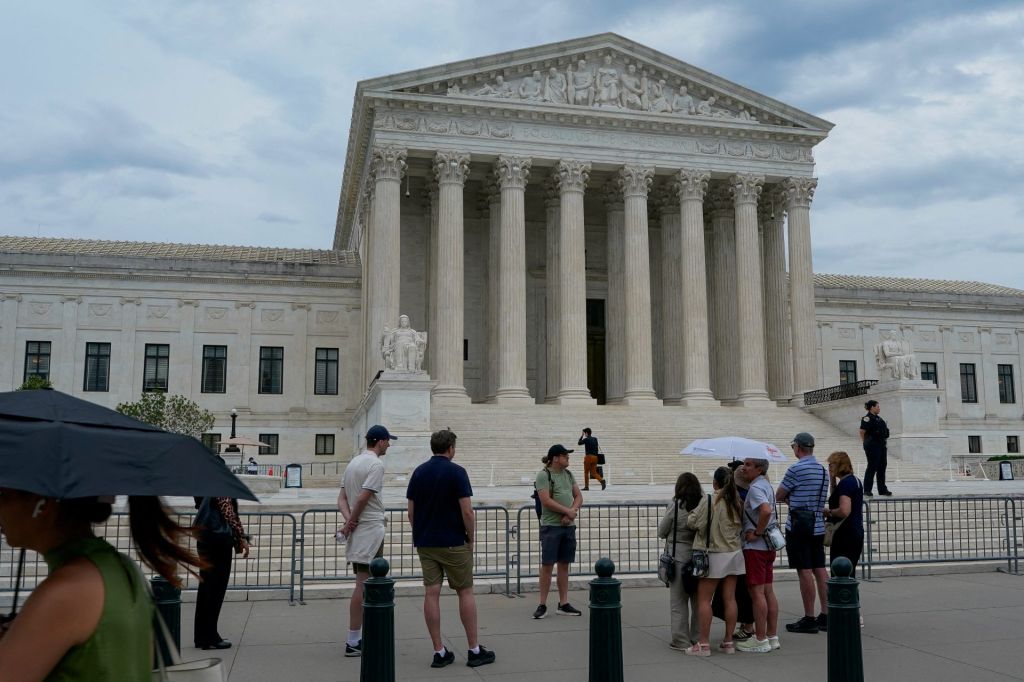
FOS: Every legal expert I talk to says the issue of sports event contracts is going to come before the Supreme Court. If that happens and the court rules that sports event contracts should be regulated the same way traditional sports betting is regulated—on a state-by-state basis—how does that affect Kalshi?
Mansour: We feel very confident about the legal analysis. [Federal] preemption is very clear, and I think breaking that preemption would have more dramatic consequences on CFTC-regulated exchanges, SEC-regulated exchanges, all of that.
I think the policy question is important. Clearly, consumers are asking for this product. They think it’s better for them. A larger percentage of people win, or at least can win [with prediction markets], whereas in the traditional gaming industry you cannot win. If you win too much, you get banned or limited.
So we feel very good. What we need to do is keep growing, keep building a great product, and I’m really narrowly focused on the customer.
FOS: Donald Trump Jr. is an advisor to Kalshi, his firm is invested in Polymarket, and he’s generally supportive of the industry. What is his involvement at this point?
Mansour: He’s not involved in regulatory in any way, shape, or form. We’re a company that spent four years sort of fighting the federal government for the right to exist. It was brutal, and suing the government is not a decision we took lightly. There were a lot of company costs and a lot of personal costs.
What we learned from that process is that you have to figure out how to, essentially, have a seat at the table. How to be able to have a conversation with policymakers. All the big exchange incumbents, whether it’s CME, Nasdaq, or CBOE, if you look at their executive teams or advisors, there’s a lot of ex-secretary of this or that, and the reason they are there is because they are connected. They have the networks and can help educate people and policymakers.
That’s a muscle we didn’t have as a small startup company. At the same time, you have someone who is very excited about prediction markets. Anyone who is excited about this mission, we are all for it. What I always say is that Kalshi, honestly, we’re kind of like single-issue people. If you’re pro-prediction markets, we love you, because we love prediction markets.
So yes, we have Don Jr. We have people on both sides of the aisle because it’s equally important to have people on the Democratic side. People don’t like to talk about that as much because it’s not juicy. Maybe in two or three years they’ll talk about that more.
FOS: Let’s talk about Giannis Antetokounmpo. He made quite the splash when he announced he was an investor in Kalshi back in February. How did that relationship come to be?
Mansour: He loves the concept. We got on FaceTime, and he was like ‘should we do something? I love this concept of a market where you’re basically predicting all these different things.’ At the time, it was close to the [NBA trade deadline] and he was looking at the markets moving on where he might go. Any athletes or celebrities that love the concept, who get it, we will do something with.
FOS: In addition to Giannis, Kyle Kuzma is an investor in Kalshi. Are there other athlete investors you can share?
Mansour: I honestly don’t know, I would need to ask the team. We have a bunch who are investors and a bunch who are endorsers. I’m not super involved in those details. What I am involved in, I’m super in the weeds of the actual integrations, the content.
FOS: Like the Greece/Grease commercial.
Mansour: [Antetokounmpo] really enjoyed making that. I mean, he stayed a few hours extra just enjoying himself, dancing in the outfit. He had so much fun, and I think that comes through.
FOS: Leagues, which at first would not touch prediction markets, have started to come around. You and Polymarket are both official partners of the NHL, and I recently reported that you’re in talks with the NBA. What’s the status there?
Mansour: We’re talking with all the leagues. I think, inevitably, it was not very difficult to predict that the leagues were going to start embracing this. There’s two reasons to do it: one is we are incredibly serious about integrity. We are scraping the names of all the people involved in a league and blocking them from trading, we flag them on internal systems, etc. Having that data link, that connectivity to the leagues, will improve those efforts, and we can figure out the limits of markets together.
Then there’s fan engagement. There’s something about prediction markets, it’s not just people who trade. 80% of our users don’t trade. Kalshi is a way to engage with the game and not everybody is trading.
FOS: You hit on one of the other questions I was going to ask. The CFTC just proposed new rules to govern the industry. What did you think of those?
Mansour: The rulemaking is a good thing. I think the micro plays, for example, whether someone is going to throw a ball or a strike on the next pitch, or score the next three-pointer, those are a lot harder from a market integrity perspective. And I’ve been surprised, honestly, that states have let those happen for this long.
I think some of the leagues are excited about the fact that, at the federal level, you can stop these markets with integrity issues instead of needing to go to 40 different states.
Then, also, the national security stuff. I mean, you know, we’ve been very vocal about this. I hope this puts pressure on the offshore players to stop offering markets on things like terrorism, war. Those are bad markets.