Want more from Front Office Sports
in your search results?
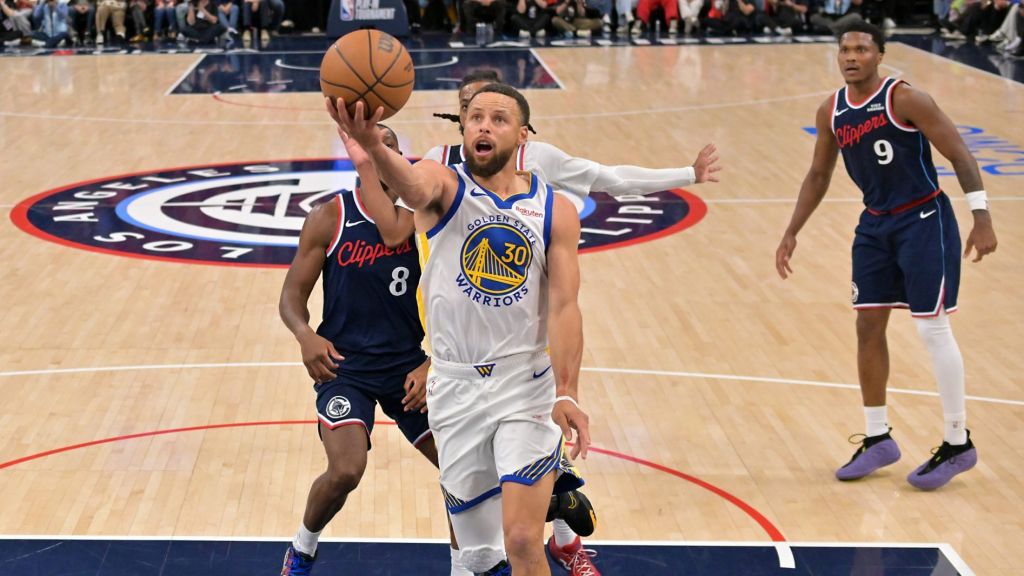
The NBA is in active discussions with both Kalshi and Polymarket about a prediction-market deal, Front Office Sports has learned.
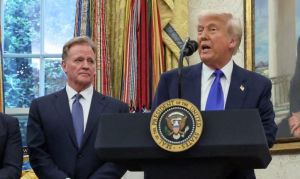
Talks with Kalshi and Polymarket have been happening on a more informal basis for more than a year, but they’ve ramped up in recent months, according to multiple sources familiar with the matter. In particular, discussions have gained momentum since Michael Selig, who was confirmed as chairman of the Commodity Futures Trading Commission in December, began engaging with leagues and making clear the agency will propose rules aimed at ensuring integrity in sports markets.
“It was his engagement that accelerated talks,” one source familiar with the matter tells FOS. “He signaled he has every intention of putting real regulation in place with proper protections.”
Selig acknowledged in March that certain offerings are more susceptible to manipulation than others. Specific examples of markets the CFTC said could be vulnerable are those based on “injuries to individual players and unsportsmanlike conduct”—anything where an individual could have an oversized impact on what happens. The NBA is focused on ensuring it has some control over which markets are allowed and that there are mechanisms in place to monitor suspicious trading patterns, sources say.
Although discussions have progressed, there’s no clear time frame for when a deal might happen. “Anything is possible,” one source says. Multiple sources familiar with the matter tell FOS an agreement could be reached before the start of next season.
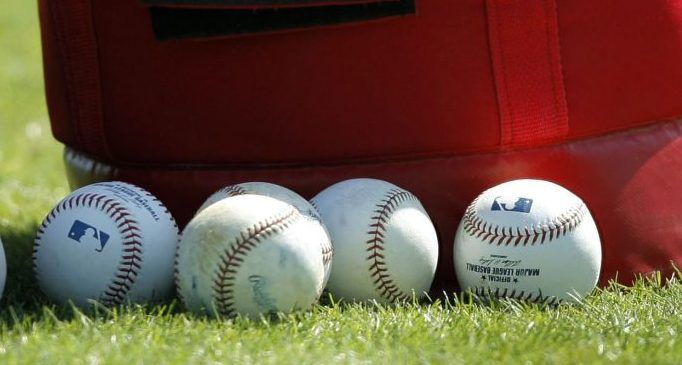
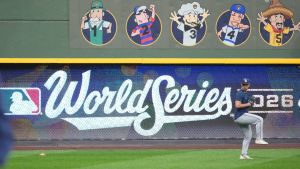
Meanwhile, unlike MLB—which exclusively partnered with Polymarket—the NBA will not necessarily pick only one company to work with. Like the NHL, it could reach deals with both Kalshi and Polymarket, sources say. The NBA has two official sports betting partners in DraftKings and FanDuel.
In a sign of how discussions have advanced, team presidents had a call this week where Scott Kaufman-Ross, EVP and head of media distribution and partnerships for the NBA, gave a presentation and answered questions, sources say. That conversation centered on where things stand, including an update on talks between the league and prediction-market platforms, as well as with the CFTC.
Deals between leagues and prediction-market companies typically allow the platforms to use team logos, names, and other league marks while also providing them with access to official league data, including real-time game statistics.
Terms under discussion aren’t clear, although the recent MLB-Polymarket deal—which sources told FOS is worth up to $300 million over as many as four years—is viewed as potentially precedent-setting.
“Everyone sees these dollar signs,” one prediction-market industry executive tells FOS.
The NBA and NFL have remained the two main holdouts among major pro U.S. sports, although there have been signs that both could come around. Kalshi cofounders Tarek Mansour and Luana Lopes Lara and Polymarket founder Shayne Coplan spoke on a panel at the NBA’s annual technology summit during All-Star weekend in February. Sources tell FOS the session featuring the prediction-market executives was the most-attended panel of the tech summit.
During that weekend, NBA commissioner Adam Silver said the league was currently “looking at prediction markets essentially in the same way that we’re looking at sports betting markets or sports betting companies.”
The NBA’s discussions are the latest sign of the ongoing prediction-market takeover in sports. The NHL was first to dive in, and individual teams have separately reached deals of their own—the Blackhawks with Kalshi and the Rangers with Polymarket. Since then, MLS, UFC, and Spanish soccer league LaLiga have reached deals with Polymarket, while Kalshi has agreements with niche organizations like Pro Padel League and 6-on-6 soccer association Baller League.
Representatives for the NBA, CFTC, Kalshi, and Polymarket declined to comment.
Download the FOS App
The business of sports, in your pocket.



Scan the QR code to get the app now.