Want more from Front Office Sports
in your search results?
Throughout the past month, Miami, Florida State, South Florida, and others schools have lobbied against the Protect College Sports Act based on a provision placing certain limitations on future conference realignment. The original provision stated power conferences could not expand beyond 19 members, and that any Power 4 school that wanted to switch leagues would have to spend five years as an independent.
Even after multiple changes have been made to the legislation, schools are still unsatisfied, and are lobbying against the bill altogether unless all the realignment restrictions are removed.
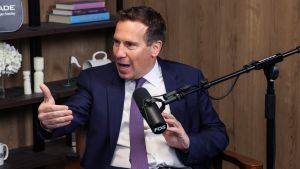
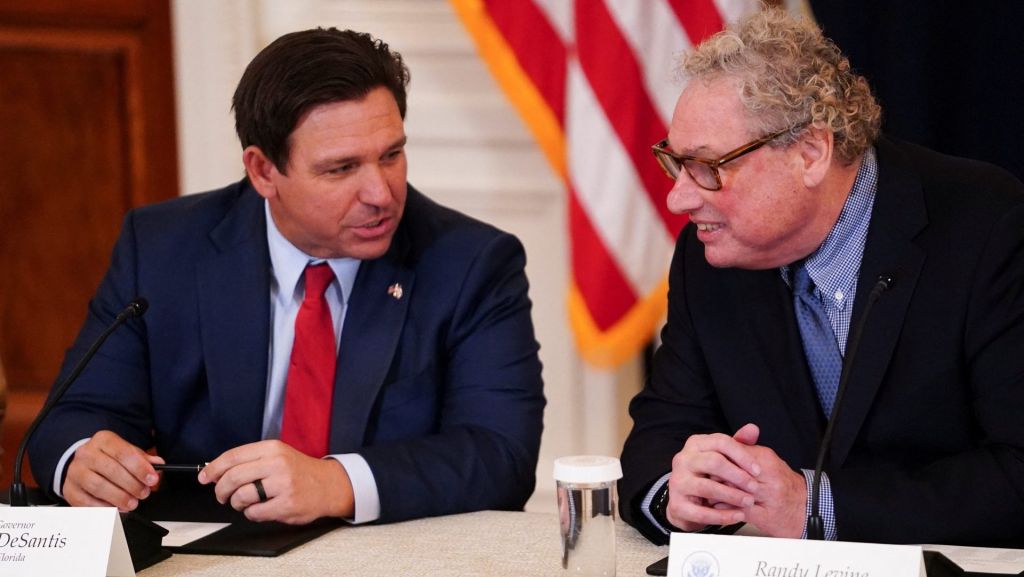
But New York Yankees president Randy Levine, the vice-chair of President Donald Trump’s Saving College Sports roundtable, told Front Office Sports these schools are fighting a losing battle. Even if they succeed in getting the provision removed, he said, the two richest conferences won’t be sending out invitations.
“Schools in the ACC, principally Florida State, Miami, who want to blow up the ACC,” Levine said during an interview with FOS, “the problem with that is that they have nowhere to go. I’ve talked to the Big Ten yesterday, and the SEC. And they have no plans to expand.”
In response to an FOS request for comment, an SEC spokesperson pointed to previous statements made by SEC Commissioner Greg Sankey saying he is happy with the league’s current 16 members. A spokesperson for the Big Ten declined to comment.
The question of conference realignment, particularly for select ACC schools, isn’t new. FSU and Clemson have previously sued the ACC to strike down hefty exit fees to pave the way for them to leave the conference in the future. The schools reached a settlement agreement with the ACC and the lawsuits have been dismissed.
But based on their lobbying efforts, it appears these schools—as well as others—continue to have these aspirations.
FSU, Miami, and USF raised objections with the provision while the bill was in the Senate—spurring both Florida Republican senators Ashley Moody and Rick Scott to vote no on advancing the bill through procedural votes. (Although other schools in other states have expressed this same concern, sources have told FOS, Florida was the only state with both senators voting no consistently as a result.)
Before the bill reached its final vote in the Senate this week, however, the provision was modified. Schools would only have to spend three years as independents, and the provision would sunset after six years—when multiple media rights deals would expire, and another round of realignment would be most likely to take place. But the schools and their senators weren’t satisfied.
Then, on the Senate floor ahead of the final vote Monday night, Moody and Sen. Richard Blumenthal (D., Conn.) proposed an amendment to increase the number of schools a league could have from 19 to 20. That amendment passed, and Moody voted yes on the bill (though Scott voted no again).
As it stands currently, the provision allows power conferences to have up to 20 members, with schools only having to go independent for three years in the six years after the bill’s passage. But it still isn’t enough.
Sources have since told FOS that these schools, as well as others, have begun lobbying House representatives as well. This week, a letter was sent to several members of Congress asking to vote no on the bill unless the restrictions were eliminated entirely, according to a copy obtained by FOS.
Their concerns could contribute to difficulties getting the bill through the House. Given the slim majority in the House and expected Democrat opposition, even a few rebellious House Republicans willing to vote against the PCSA could prove perilous for the legislation. Levine, however, told FOS he believes the bill would get through the House, and that President Trump will lobby for it to do so.
“One thing about President Trump, he’s not shy when he wants something done,” Levine said. “He knows how to get it done. And he’s committed to this bill, he really is. And he spent a lot of time on it. He’s given all of us a lot of support, a lot of energy. And he’s all in. He’s all in on this because, as I said, it’s the right thing to do.”
Download the FOS App
The business of sports, in your pocket.



Scan the QR code to get the app now.