Want more from Front Office Sports
in your search results?
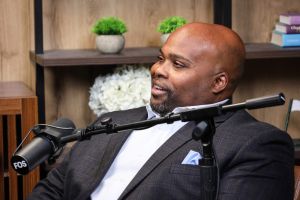
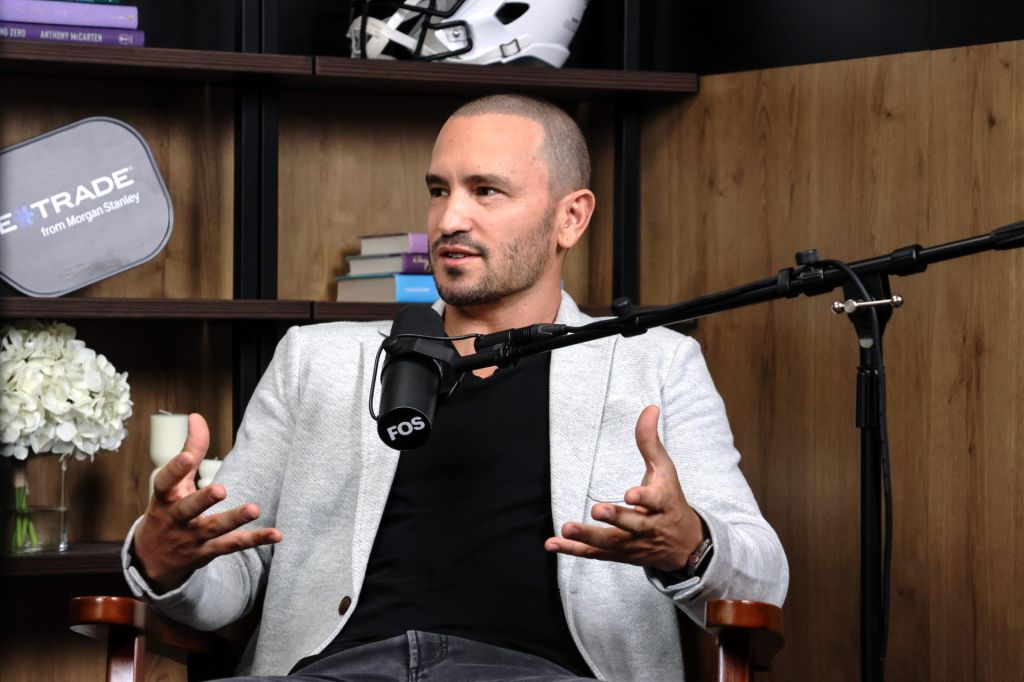
As a former skier and college football player, X Games CEO Jeremy Bloom understands the value for college athletes in earning NIL (name, image, and likeness) money. But Bloom, who played football for the Colorado Buffaloes in 2002 and 2003, doesn’t see why donors and boosters should be financially responsible for the rising costs of rosters.
Bloom has no intention of donating NIL money to his alma mater, saying he plans only to participate if there’s some sort of return on investment for donors themselves.
“I think the system is broken,” he told Front Office Sports’ Dan Roberts in a recent episode of Portfolio Players. “I think anybody that gives NIL money should have some sort of value creation plan for those dollars. I don’t think that it should be thought of as like a nonprofit, a zero-sum game—that you could give the money and that’s it, and it just goes to wherever. I think you need to build a for-profit system. If you want to raise capital, great, give out some equity.”
One way to do that, he says, could be with private capital. He noted that Utah did a private equity deal with Otro Capital, and that the Big 12 landed a partnership with RedBird and Weatherford Capital that gives schools the opportunity to take on a capital investment. He said he believes that these sorts of investments can help make athletic departments profitable, and create a way for donors to invest with the expectation of a return, rather than as a charitable contribution.
“I’m sure I’m in the minority in that camp, but I’ve seen what private equity can do and—when their heart is in the right place, and they want to create value for everybody,” said Bloom, who sued the NCAA while he was at Colorado to maintain football eligibility after accepting prize money for his skiing career. “Anybody that’s donating to a university should have equity in that university.”
While Bloom’s position may be an outlier among successful alumni supporting universities, he did key in on a common concern across college sports: the fear of donor fatigue.
“I think at some point, people are just going to be fed up just giving money to these universities that are charging kids an enormous amount of money to go to school there,” he said. “And then put the pressure back on the presidents and the ADs. Say, build a business here. Like, build a real business here, and I’ll support that.”
Download the FOS App
The business of sports, in your pocket.



Scan the QR code to get the app now.