
Callaway Content Head, Good Good Marketing VP Out After Ad Fallout
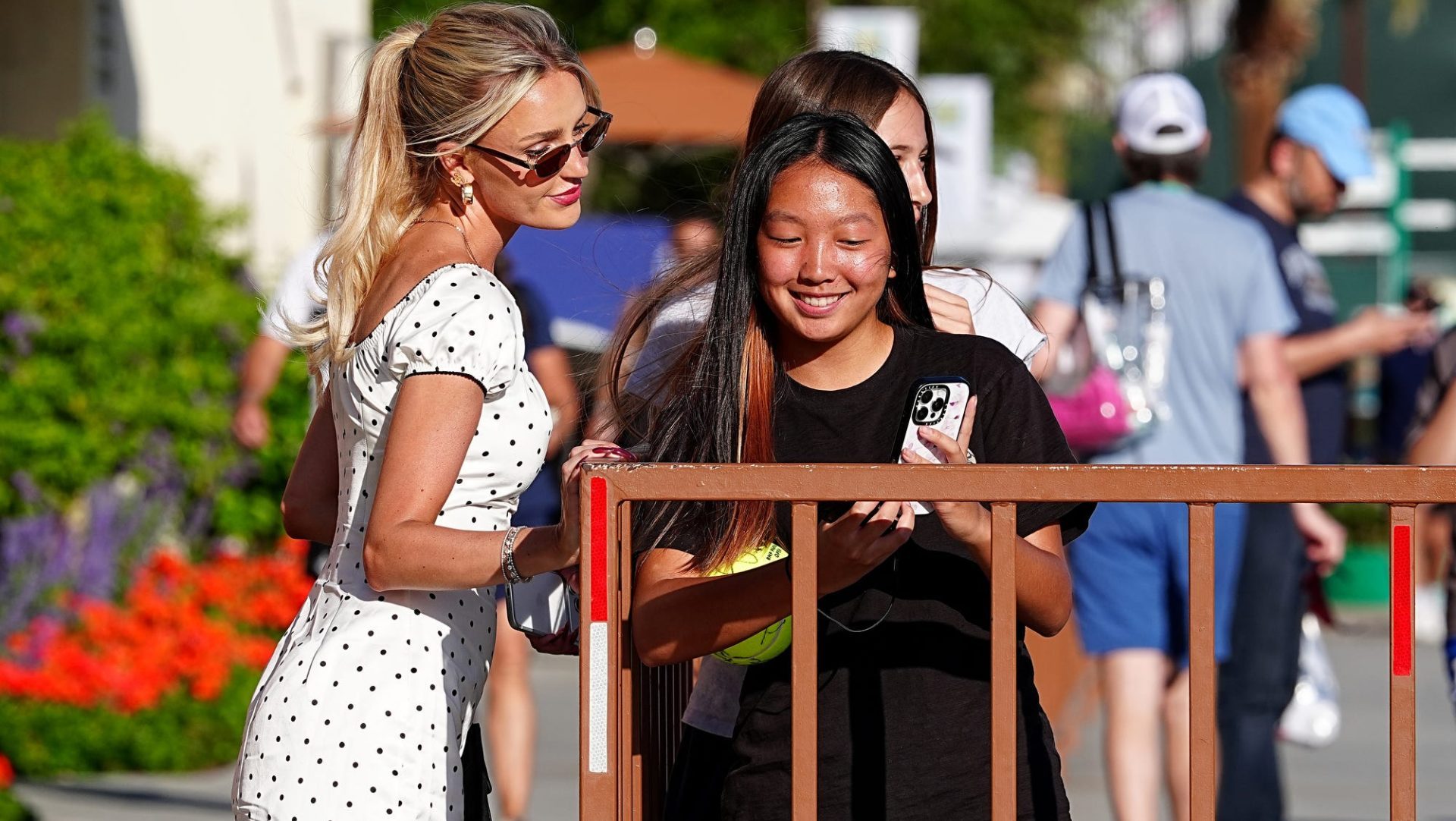
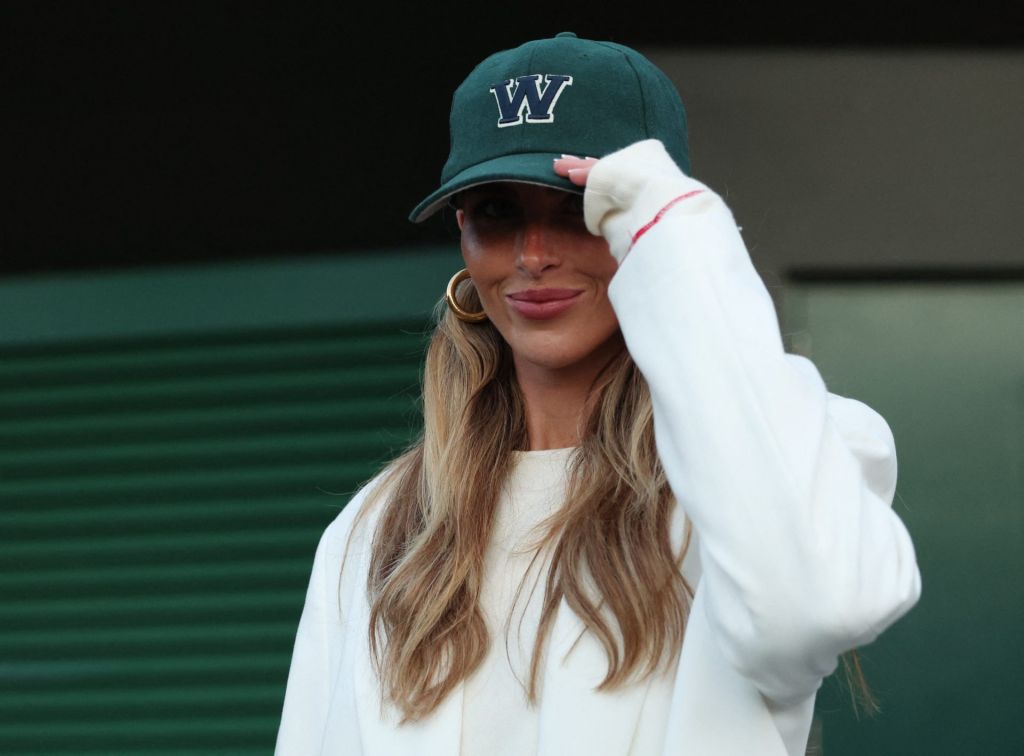
Influencers and content creators are everywhere in sports, but perhaps nowhere are they more visible than in pro tennis. Several top players have dated or are currently in relationships with influencers who amassed huge online followings, in part, by making content about the sport and its lifestyle—from the outfits they wear courtside to the global travel they undertake.
And if tennis is the influencers’ sport, then the US Open is the influencers’ tournament; it is the place to see and be seen.
After credentialing content creators as media for the first time in 2025, the United States Tennis Association told Front Office Sports that it was “almost doubling” the program this year, with “close to 100” creators having received approval before qualifying week (Aug. 24–28). The USTA is also employing roughly two dozen creators to produce content specifically on behalf of the US Open throughout its three-week run. This independent and paid-for content—like that produced by players’ romantic partners—is at least as much about the tournament’s social, food, and merchandise scenes as it is about on-court play.
FOS spoke with five current and former professional tennis players over the last month about the influencer takeover of their turf, which has spawned several cottage industries across advertising, events, and retail. A consensus emerged: The additional attention is great for them and the sport, but results are more mixed for the average fan.
“I’m of Two Minds”
“It’s done a lot for the sport. It’s brought a lot of novice eyeballs to our sport,” former top American pro John Isner told FOS of influencers attending and capturing Grand Slam tournaments for social media. “Maybe they’re not there to enjoy or catch up on the tennis, but a lot of these people have huge followings.”
Paige Paul and Morgan Riddle are key figures in the tennis content creation space. The former married men’s world no. 21 Tommy Paul in July, while the latter—whom The New York Times dubbed “the most famous woman in men’s tennis”—dated men’s No. 10 Taylor Fritz from 2020 to April 2026. In addition to broadcasting their lives on the pro tennis circuit to their millions of collective followers, both women have started sports-centric business ventures.
Isner credited the likes of Riddle and Paul with turning the US Open into a “spectacle,” noting the tournament now regularly “shatters” records and is “so much more trendy than when [he] was on tour 10 or 15 years ago.” Following its first 1-million-fan event in 2024, the 2025 US Open drew 1.14 million attendees last year, a 9% increase. Massive crowds are already a defining feature of this year’s tournament.
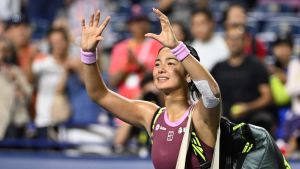
Current women’s world No. 1 Aryna Sabalenka echoed the awareness-raising role of tennis and tennis-adjacent creators. “I love it, I love it. It’s more eyes on [our] sport,” she told FOS in Brooklyn on Friday night at an event thrown by one of her sponsors, Electrolit. Dozens of similar parties—brand-backed, player-hosted—took place across New York City last week. “They all dress up, they all look beautiful, and they all support us in their way. I love that they bring this fresh eye on tennis,” she said.
World No. 3 Jessica Pegula and former pro Genie Bouchard both told FOS they viewed influencer attention as one driver of Hollywood’s recent fascination with the sport, pointing to Challengers, the 2024 hit movie starring Zendaya as a tennis-prodigy-turned-coach. (Amazon MGM Studios is currently on the ground at Flushing Meadows filming scenes for a forthcoming tennis rom-com, Love Love.)
All of the above, players said, has helped drive up tournament purses, too.
However, most hedged their praise with an acknowledgment that tennis tournaments, like many other major sporting events, are becoming increasingly expensive. According to TicketData, the average ticket price for the US Open’s first formal day of competition, Aug. 30, was $296—nearly 20% higher than last year ($250).
“It’s maybe not the greatest thing for the real tennis fan because they’ve started getting priced out of the market,” Patrick McEnroe told FOS before the US Open started.
“I’m of two minds,” added Bouchard, who in 2014 became the first Canadian-born player to crack the WTA top 5 singles rankings. “I obviously want everyone who wants to go to [the US Open] to be able to go, and true fans to be able to watch. So if it’s more brands or influencers or taking up these spots, then there’s a bit of sadness to that.”
Influencers on Tour
Despite this downside, the professional tennis ecosystem shows no signs of slowing its coziness with creators.
The ATP announced a global partnership with TikTok last August focused on “bringing compelling tennis content to Gen Z and millennial fans through creator collaborations.” It also hosted its first “Creator Summit” in New York last week, where creators and industry experts participated in workshops around sports fandom and content trends, per a press release. The WTA, meanwhile, launched a creator program of its own in early 2026.
Many former and current players, including Isner and Pegula, could be considered tennis content creators themselves. Both cohost weekly tennis podcasts, and Pegula actually launched her project, called The Player’s Box, during last year’s US Open.
Still, she told FOS she “could never see [herself] being an influencer.”
“But I do find myself watching their videos and getting very interested in things that I never thought I would be interested in,” Pegula continued. “So I think it’s ultimately been great.”