Like most college sports administrators, TCU athletic director Mike Buddie thinks there should be an enforceable salary cap for players in college sports.
But he doesn’t think they should be the only ones.
“I think athletic directors should make a capped salary. I think coaches should make a capped salary,” Buddie said during an interview with Front Office Sports. “And I think student-athletes should be in the room helping make these decisions.”
In college football, coaching salaries—as well as coaching buyouts—have ballooned.
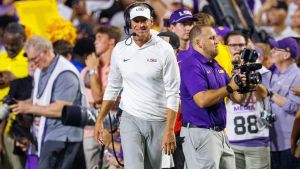
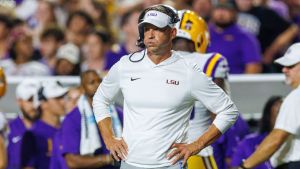
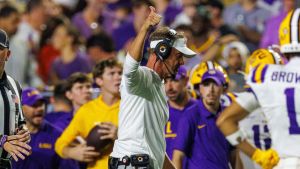
Currently, the highest-paid coaches are Indiana’s Curt Cignetti, Georgia’s Kirby Smart, and LSU’s Lane Kiffin, whose annual salaries all exceed $13 million per year. Athletic directors don’t make nearly as much, but—particularly in the power conferences—they can take home more than $1 million per year.
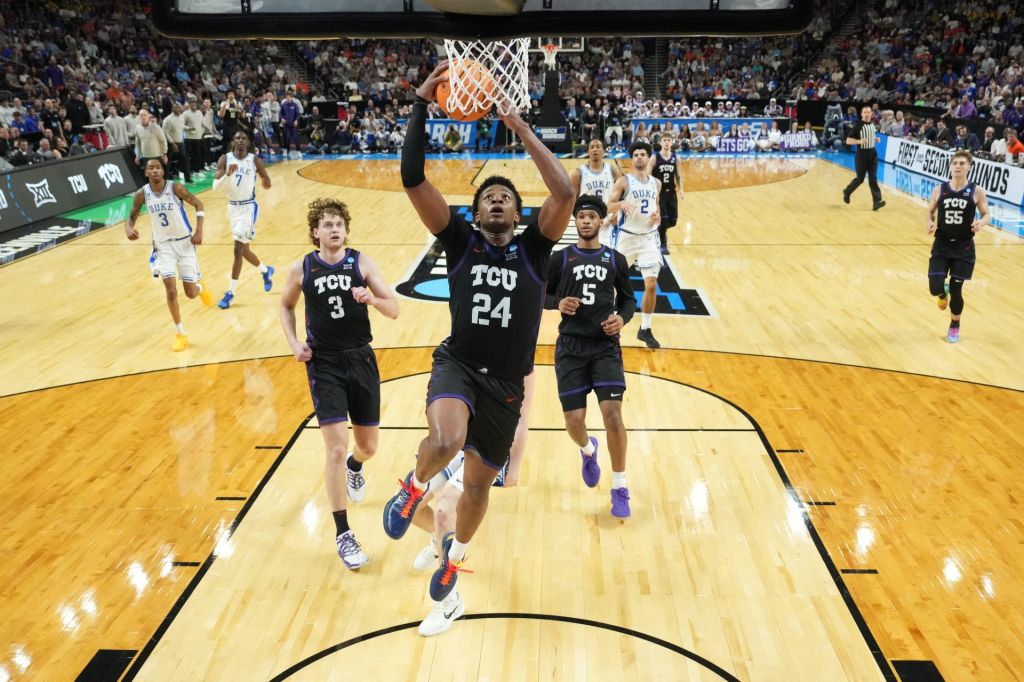
At TCU, football coach Sonny Dykes makes more than $7 million per year (he recently signed a multiyear contract extension). Buddie’s salary isn’t public.
The concept of capping coaches’ salaries has been discussed over the past several years. And it’s also been a discussion in Congress, with lawmakers talking about the idea during hearings on college sports. In 2025, Rep. Michael Baumgartner (R., Wash.), introduced a bill to limit salaries for coaches (and potentially other athletics employees).
But if Buddie’s plan were to be implemented, there would be legal hurdles. In 1992, a federal appeals court found that putting a cap on NCAA coaching salaries was a violation of antitrust laws in the case Law v. NCAA.
But one mechanism could change that: collective bargaining. And that’s something Buddie, a former MLB pitcher, knows well. In the pros, salary caps and/or luxury taxes are negotiated and policed because player unions negotiate and agree to certain compensation restrictions with the league.