Want more from Front Office Sports
in your search results?
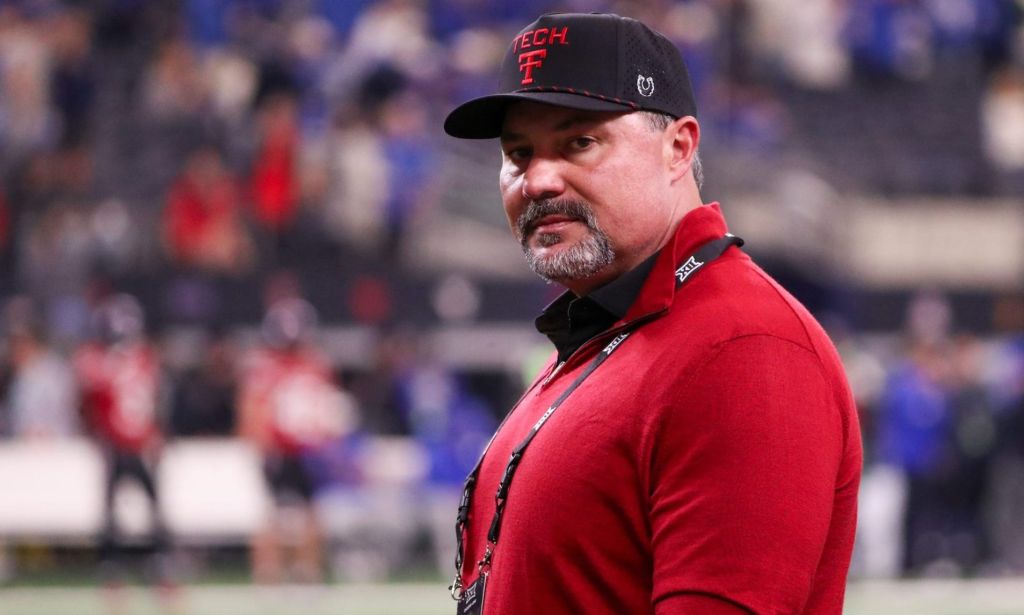
Since 2024, billionaire Cody Campbell has become one of the most powerful figures in college sports on multiple levels, from the football field to the halls of Congress. But after the 2026 midterm elections produced a blue wave, the Republican donor and ally of U.S. President Donald Trump could lose at least one lever of power: his seat as board chairman of Texas Tech.
In Texas, the governor appoints public university board members, who are then approved by the state senate. When governor-elect Gina Hinojosa, a Democrat, takes office in January, she will have the power to replace a host of board members appointed by outgoing Republican Gov. Greg Abbott. Campbell, whom Abbott appointed in 2021, will complete his six-year term in January—making him one of the first Abbott appointees whom Hinojosa could replace.
However, the Texas state senate, which will remain in Republican hands, could serve as a check on Hinojosa that could help Campbell or other conservative board members.
Hinojosa’s campaign did not immediately respond to a request for comment regarding her plans. Campbell declined to comment on the future of his board seat.
In his capacity as Texas Tech board chairman, Campbell—a Texas Tech alum and former Red Raiders football player—has wielded significant influence over the Red Raiders sports program. This past summer, for example, he led the school through the Brendan Sorsby saga. Campbell also had a say in operations at the Big 12 conference level, given that university presidents of Big 12 schools sit on the conference’s board (and board members exercise power over presidents).
Now, Campbell could lose his formal position of power. But even if Hinojosa replaces him, he will likely continue to be an influential voice in college sports.
Campbell, who became a billionaire through a successful career in the oil and gas industry and through his company Double Eagle Energy Holdings, will likely continue to support Red Raiders athletics from a financial standpoint. He and his business partner John Sellers founded the Red Raiders’ NIL (name, image, and likeness) collective and have continued to provide key financial support to athletics in the revenue-sharing era.
Campbell will likely continue to remain involved in shaping college sports legislation, both individually and through his 501(c)(4) nonprofit organization Saving College Sports. He also remains a key advisor to Trump on college sports legislation.
Campbell solidified his relationship with Trump long before he took office in 2025. He was one of the earliest members of the America First Policy Institute, a nonprofit closely associated with the Trump administration, and has been a generous donor to Republican candidates and causes. (Just two weeks ago, Campbell spoke at a Trump rally in Lubbock. Trump praised Campbell and offered his son, Carson, a shoutout for his football aspirations.)
Currently, Campbell is a member of both Trump’s Council on Sports, Fitness, and Nutrition and his college sports council, which Campbell led alongside New York Yankees president Randy Levine. He helped advise Trump on two executive orders Trump signed on college sports. And, alongside Levine and others, Campbell was also an architect of the policies in the Protect College Sports Act, which had momentum after garnering a bipartisan vote in the Senate but is in peril after the midterms.
Download the FOS App
The business of sports, in your pocket.



Scan the QR code to get the app now.