Want more from Front Office Sports
in your search results?
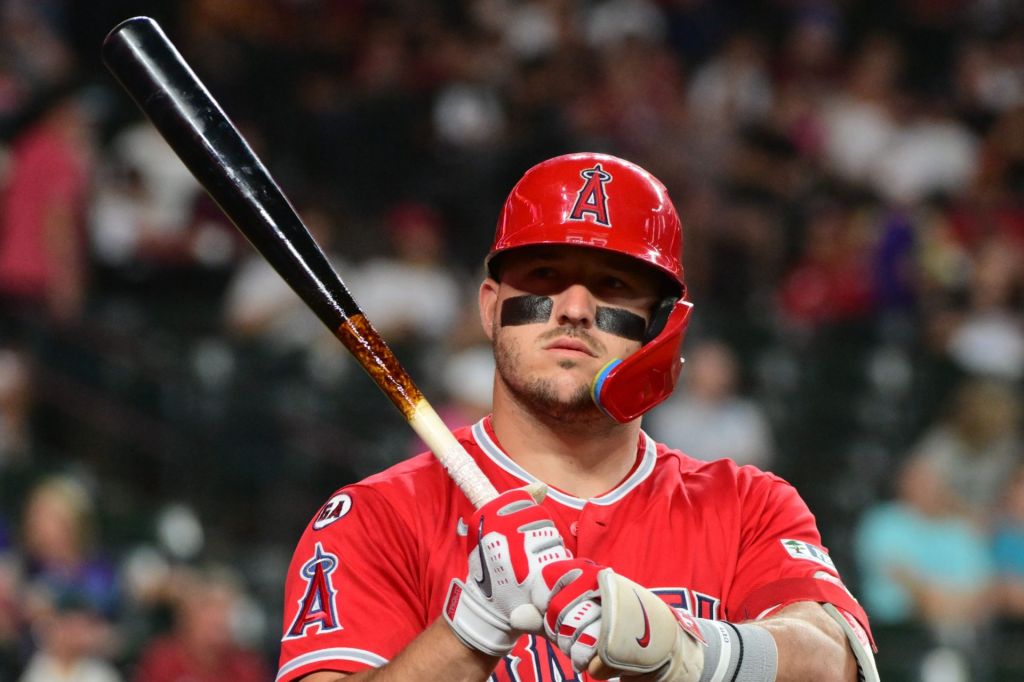
The Baseball Hall of Fame is replete with inductees who debuted in MLB as teenagers, including icons such as Mickey Mantle, Ken Griffey Jr., Mel Ott, Jimmie Foxx, and Bob Feller. The same is true for future inductees such as Mike Trout and Bryce Harper.
Such a situation, however, would largely cease to exist if a radical new labor proposal from MLB team owners becomes reality.
Amid a bargaining environment that is already deeply divided, management put forward a new offer that would dramatically restructure the sport’s current draft. Among the key terms:
- Making all high school players ineligible for the draft. Eligibility for U.S.-born players would begin at age 20. Last year’s No. 1 pick, 17-year-old Eli Willits by the Nationals, would be ineligible until 2028 in this structure. For college players, most of them would become eligible after their sophomore year.
- Cutting the domestic draft from 20 rounds to 12, implementing hard slots for draft bonuses instead of the current, looser structure, and slashing the overall draft pool by about half to $200 million—an aggregate figure not seen since 2010.
- Implementing a long-discussed international draft to cover amateur players from outside of the U.S., Canada, and Puerto Rico. That would also be 12 rounds and have a $200 million bonus pool. The minimum age for international players to sign would rise from 16 to 18.
Notably, MLB’s proposal shifts much of the player development process, and its cost, from the farm systems of its own teams to college baseball, not unlike how the NFL operates in that sport. Despite that, no entity from college baseball is a direct party to MLB’s labor talks with the MLB Players Association.
“Over the last several years, college baseball has undergone a remarkable transformation,” the league said. “Expanded scholarships, NIL opportunities, revenue sharing, and significant investments in facilities and player development have made college baseball an increasingly important pathway that is producing major league-ready talent at an accelerated rate.”
Proposal Pushback
While it is true college baseball has seen a marked escalation in prominence and resources in recent years, the incentives there remain fundamentally different than in minor league baseball. College baseball programs are typically focused on their own goals, including winning games and championships, managing the transfer portal, and aiding donor development. Because of that, underclassmen frequently do not get significant playing time at many top programs, and high-dollar NIL deals for freshmen are rare.
MLB’s own player development systems, meanwhile, are centered on exactly that—readying players for the majors and providing far greater numbers of games and dedicated opportunities compared to college baseball.
Beyond that structural difference, the union estimated that more than $1 billion would be cut from the domestic and international player development systems under management’s proposals over the next five years, including $400 million from 2026 to 2027.
What’s more, there are two other potential carry-on effects from management’s proposal. First, it could very well push some talented young athletes away from baseball to other sports where there are more immediate financial opportunities. More directly, making an MLB debut later also means arbitration and free agency eligibility is delayed, in turn cutting significantly into any player’s long-term earning potential.
“MLB made another set of proposals that are flat out bad for baseball, ones that would cripple the next generation of players and damage the future of the game,” the union said.
As a result, this draft proposal in its current form is essentially dead on arrival. It does signal two things, though: the owners’ desire to dramatically cut its player development costs, and their intent to potentially move the Overton Window in the ongoing labor discussions.
A recent salary cap proposal from the owners, while containing plenty of echoes from prior attempts in labor negotiations, would also greatly diverge from the sport’s current economic framework.
Download the FOS App
The business of sports, in your pocket.



Scan the QR code to get the app now.