Nielsen: Post–World Cup Soccer Audiences Surge Among Young Viewers
Want more from Front Office Sports
in your search results?
The PWHL is coming off unprecedented attention after the Olympics, and it just added four new teams in its second expansion push. But going into only its fourth season, it is still nascent and looking to continue its breakout. The 2026 draft class—widely regarded as its best yet—could help it do just that.
A staggering 235 players, including five U.S. Olympic gold medalists, are up for claim at this year’s PWHL draft on June 17 in Detroit. GMs are banking on the skills of top prospects to bolster the talent needed to fill 104 new roster spots from expansion—but their star power off the ice is just as big of an asset.
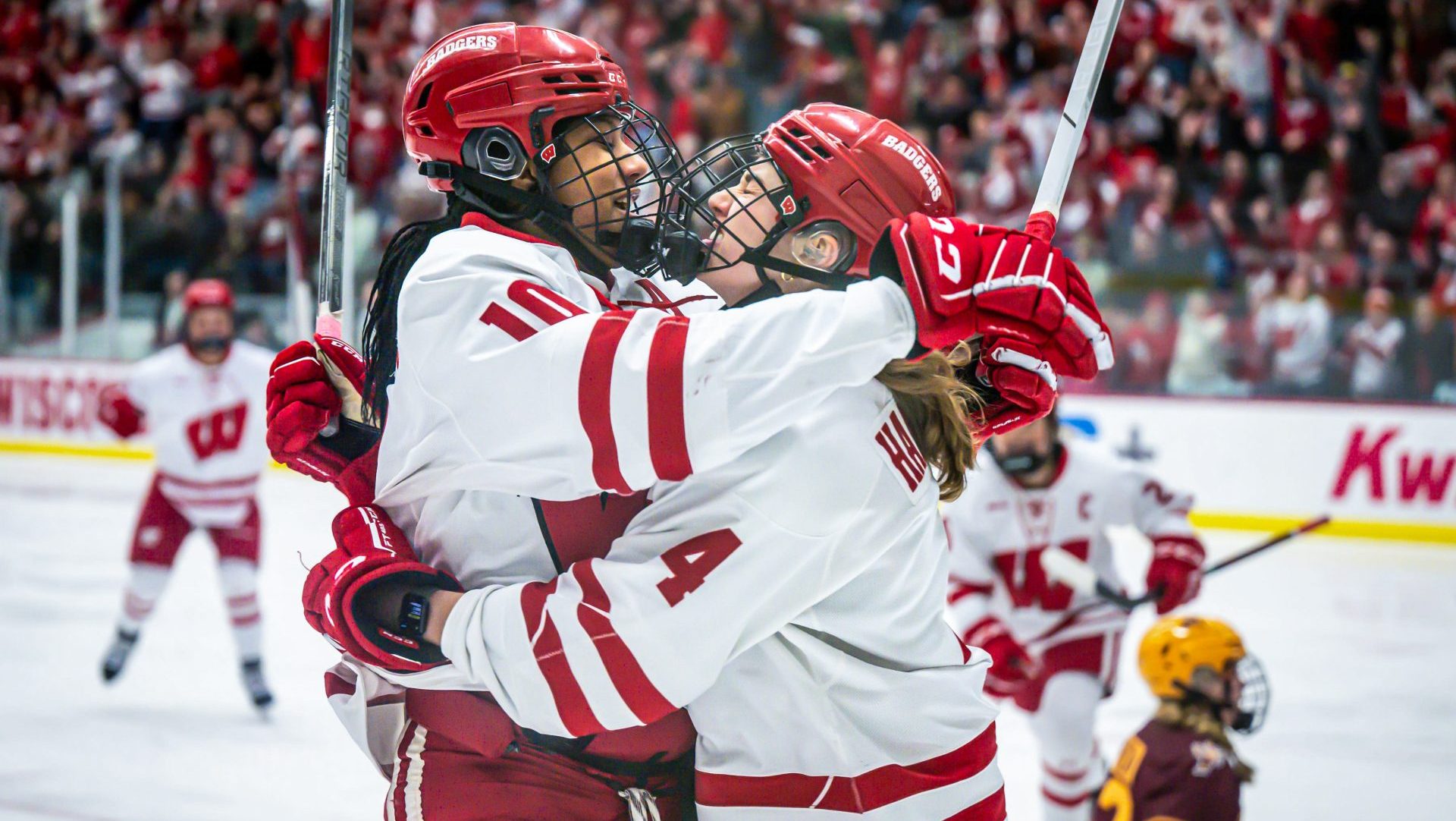
Headlining the class are Wisconsin’s Caroline Harvey and Laila Edwards, longtime friends who both made the 2026 Olympic All-Tournament team while playing for Team USA in Milan. Both are expected to be top-three picks for their hockey talent, but they also bring with them a platform of nearly 200,000 combined TikTok followers that has helped propel them to household-name status in the hockey world.
The draft class also includes Minnesota Olympian and projected top-three pick Abbey Murphy, whose between-the-legs assist against Minnesota State went viral in January. Likely first-rounders Kirsten Simms of Wisconsin and Penn State’s Tessa Janecke are also Olympians who have generated social media buzz.
“This draft class is pretty exceptional in the sense they have an incredibly strong social presence,” PWHL brand and marketing VP Kanan Bhatt-Shah tells Front Office Sports. “So many of them have done an amazing job of building their own personal brands.”
Both the players and the PWHL are hoping the visibility and virality of Harvey, Edwards, and other incoming rookies will be rocket fuel for the league’s next era. The next generation of players, too, has lots to gain.
“Social-First” Approach
Harvey and Edwards first started making TikToks together during their sophomore year at Wisconsin, merely to “mess around” without any expectations, says Edwards, who is the first Black woman to represent USA Hockey at the Olympics. When their videos started gaining traction around April 2024, they saw they had something big on their hands.
“Once we realized, ‘Oh, this can be a platform where you can gain stuff off of this,’ [we realized] we got to be more consistent,” says Harvey, the 2026 Olympic women’s MVP who is widely projected to go first overall to the Vancouver Goldeneyes. “We’re still going to be ourselves, but post more and engage more with people.”
Harvey and Edwards’s following continued to balloon during college, swelling at the Olympics when they made a video alongside figure skaters Alysa Liu and Amber Glenn that got nearly 4 million views.
The duo also frequently go live on TikTok. “It’s a different way to connect with the fan base, a little more intimate because you can answer easily in the moment,” says Edwards, who believes it’s important for athletes to seem “relatable” on social media. “It gives fans an opportunity to realize we’re also just people.”
Over time, fans have told Harvey and Edwards that they started following hockey because of them, or that they’ll become a fan of whichever PWHL team they get drafted by.
Bhatt-Shah praises the “social-first” approach of the incoming group of rookies, which is a strategy that the league itself wants to seize. That includes greater behind-the-scenes access to athletes’ lives, which has driven increasing engagement among fans—especially Gen Zers, many of whom are new to hockey.
“We have to be really mindful of meeting fans where they’re at,” Bhatt-Shah says. “We don’t make assumptions that just because somebody is following Harvey and becomes familiar with the PWHL through that, that they would know what one of our more avid fans would know.”
Supplementing Salaries
This year’s PWHL draft will kick off myriad opportunities for the league to promote its new star rookies on social media, something it is already doing in advance of June 17. But while the PWHL is hoping to ride Harvey and Edwards’s wave, the players themselves are setting themselves up to cash in beyond their pro-hockey paydays.
Harvey and Edwards have already done social media partnerships with brands, including Kim Kardashian–owned clothing brand Skims, which reached out before the Olympics. Edwards’s partnership with Red Bull gave the duo a subsidized trip to this year’s Coachella festival—their TikToks from the event combined for more than a million views.
Harvey says female athletes have greater incentive to leverage social media for financial opportunities, given they are typically paid less than their male counterparts. The PWHL’s first overall pick in 2025, the New York Sirens’ Kristýna Kaltounková, earned just $90,500 in 2025–26, compared to NHL top pick Matthew Schaefer’s $877,500 salary from that same season.
“In women’s sports, you’ve got to find other ways to make more money, or at least women’s hockey at this point,” Harvey says, though she notes her primary motivation to make social content still isn’t about money. “The growth in [PWHL] salary has been great, but exploring other options that have to do with media is beneficial.”
When they go pro, the Wisconsin duo plan on supporting their PWHL salaries with endorsement and content-creation money. And while both players are individual stars in their own right, they acknowledge their careers—and joint online presence—“won’t be the same” professionally as they are likely to be drafted by different teams. To compensate, they hope to eventually start a podcast together.
Growing on the Biggest Stage
The PWHL will give these incoming rookies their largest consistent platform to date.
Wisconsin led all NCAA women’s hockey teams last season with an average home attendance of 2,424, but the PWHL averaged nearly four times that number. An April game at Madison Square Garden that Harvey attended set a U.S. women’s hockey attendance record of 18,006.
“I had chills. I even found myself tearing up at times,” Harvey says of her experience at MSG. “I’d never seen something like that in the U.S … to picture that next year, being a small part of that, is just so exciting to think about.”
The league is expanding at an unprecedented rate, and also picking up nationally televised games, which means the world’s largest stage for women’s hockey is only growing. The hope, both for the players and the PWHL itself, is that higher-profile athletes can spur two-way benefits: bigger recognition and paydays for players, and a league that becomes appointment viewing.
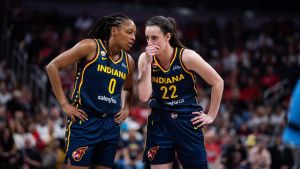
Kyle Cushman, a hockey editor for theScore, compares this year’s PWHL draft to the Caitlin Clark and Angel Reese–headlined 2024 WNBA draft, which brought increased visibility to the league. “You don’t have to do groundwork for them, because they are the star players already,” he says.
“No matter what, any team to get one of us is going to be very lucky,” Edwards says. “This is an exceptional class that’s really going to help boost the PWHL in a lot of ways, on and off the ice, and I’m super excited.”
Download the FOS App
The business of sports, in your pocket.



Scan the QR code to get the app now.