Want more from Front Office Sports
in your search results?
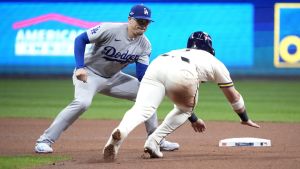
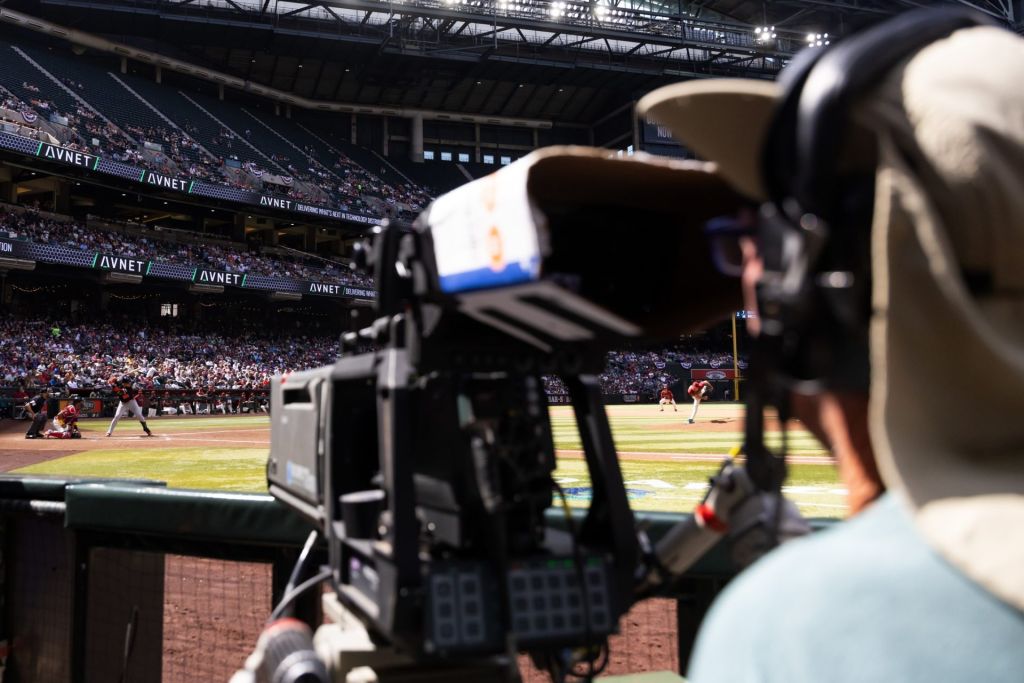
MLB’s restructured national TV rights have generated big increases in early-season viewership, extending a wave of growth for the league.
Through the first weekend in May, MLB is averaging 2.28 million viewers per game across national games broadcast exclusively on ESPN, Fox, NBC Sports, and Netflix. The figure is up 44% from the comparable average from last year, and is the best such mark since 2017.
The overall audience increase includes a series of more specific milestones, including Opening Day records for both Netflix and NBC, and Fox posting a 40% lift thus far for its Saturday MLB coverage.
The boosts are happening as MLB is beginning its first year of a dramatically retooled national media presence. After ESPN and MLB opted out of their prior rights agreement, the league ultimately reached a repackaged deal with the Disney-owned outlet, which was joined by incoming contracts with Netflix and NBC. All three pacts are bridge agreements going through 2028, when MLB intends to restructure much of its national and local media inventory.
It’s Not Just Baseball
MLB is far from alone in the recent run of spring viewership increases across sports. The last several weeks have included similar, double-digit-percentage audience gains for the NBA, NHL, and Kentucky Derby. Notably, the one notable outlier to the trend is the NFL, which saw the audience for its recent draft fall by 12%—in part due to a relative lack of major name recognition among the selected players after No. 1 pick Fernando Mendoza.
The sports viewership boosts are also happening amid a still-evolving measurement situation for Nielsen. The agency has already expanded its out-of-home tabulation and introduced the Big Data + Panel process since the beginning of last year. The next step for Nielsen is the likely rollout this fall of an enhanced tabulation of co-viewing within households.
Despite that, the latest totals, including for MLB, are generally seen as outstripping any structural gains coming from Nielsen’s broader procedural improvements.
More Attendance Watching
MLB, meanwhile, also continues to show another gain at the gates as it pursues its first four-year run of attendance increases since 2004–07.
After initially starting the season with a 4.2% gain in attendance, the league’s per-game average retreated somewhat to 28,141 through Wednesday’s games, up 2.9% from last year. For many teams in the U.S. Northeast and Midwest, though, the most challenging part of the schedule for attendance is now over, and upcoming weeks will bring both bigger crowds and elevated comparisons from 2025.
The defending American League champion Blue Jays, despite an uneven start to the 2026 season, have by far the largest nominal increase in attendance at more than 12,000 per game to reach a home average of more than 40,000. That latter figure is good for fourth in the league behind the Dodgers, Padres, and Yankees.
The struggling Mets, after leading MLB last year with the largest attendance increase, are now the league’s biggest decliner, as the team has shed more than 3,000 from its per-game average compared to 2025.
The sport’s wave of momentum also raises the stakes around labor negotiations with the MLB Players Association that are beginning to unfold.
Download the FOS App
The business of sports, in your pocket.



Scan the QR code to get the app now.