Max Kellerman, LeSean McCoy Off DAZN Boxing Show As Mario Lopez Joins
Want more from Front Office Sports
in your search results?
As the Kentucky Derby prepares for its 152nd running, horse racing’s crown jewel finds itself sprinting in two lanes: sticking to its storied tradition and rituals while also spearheading the modernization of its sport.
If Churchill Downs succeeds, it could go a long way toward lifting the entire year-round industry of horse racing—one that’s been struggling for relevance outside of its tentpole Triple Crown races.
“Horse racing was the only legal gambling sport in town for over a hundred years,” says Tom Rooney, president and CEO of the National Thoroughbred Racing Association. “Then, with the legalization of sports betting, it really had to find a place to fit in or go away.”
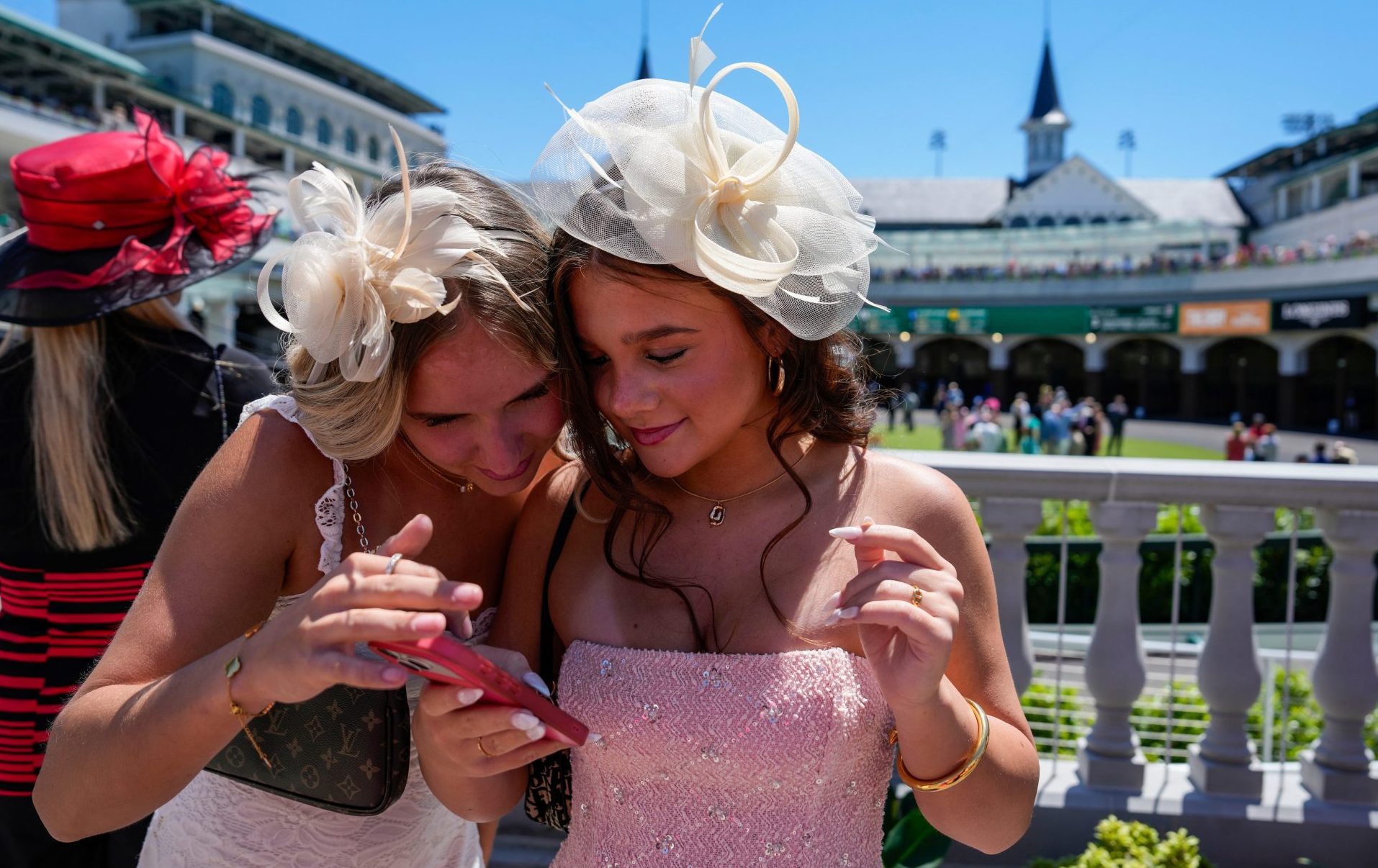
In the Kentucky Derby’s case, that means marrying the race’s splendor with the rising desire for event-day experiences that appeal to younger racegoers and, of course, influencers. It’s what similarly premier sports events like The Masters and tennis’s US Open are dealing with, too—and it’s exactly what you’ll see Saturday.
‘Bucket-List Experience’
On the grounds, attendance this year will again reach about 150,000, according to the Churchill Downs ticketing office. That’s down from the record 170,513 that saw American Pharoah begin his march toward the Triple Crown in 2015, but it’s intentional. The reduction is by design, with hospitality projects around 151-year-old Churchill Downs adhering to a quality-over-quantity strategy.
Many of these racegoers will pay for a general-admission infield ticket, which is about $130—roughly the same as the past few years—and offers access to regular concession areas. Mint Juleps begin at $22; hot pimento cheese dip sells for $15. (The prices of these have remained relatively steady as well, but they’re still steep in contrast to another signature event: At Augusta National during The Masters, $27 will get you a beer and eight different sandwiches.)
But much of the Kentucky Derby’s appeal is its premium seating—especially compared to an event like The Masters, where everyone walks in with the same badge and buys snacks from the same concession areas.
To modernize the luxury experience at Churchill Downs, the third-floor clubhouse and other top-tier seating areas have undergone significant makeovers in the past few years, and they now offer easier access to restrooms, refreshments, and betting windows. That facelift came with the reduction in some seating but also delivered a bump in amenities and price.
Purchased directly from the ticketing office, these higher-end packages begin at several hundred dollars and can spike to nearly $6,000 for the all-inclusive experience featuring chef-curated buffets on the venerable Millionaires Row. The bustling secondary market can drive up prices even more.
Selling these tickets isn’t a problem.
“It’s annually a big deal for us,” says Dave Guenther, president and founder of Canada-based Roadtrips, a high-end travel experience provider. “The reality is these top sporting events are mostly geared these days towards higher-level travelers and to the luxury-travel marketplace. There is definitely an exclusivity, and I think the Kentucky Derby is something that appeals to somebody who’s looking at a bucket-list event experience.”
Guenther tells FOS that most of his clientele are people with discretionary funds who like high-end travel, a demographic typically associated with The Masters. He sees the Kentucky Derby as a “top-ten event in the world, and top-three from a mix of culture and sport.”
Next Generation
There’s a necessity for Churchill Downs to find a way to evolve just enough that it can appeal to a new wave of racegoers that represents the future sustainability of the sport—while also not alienating its core audiences, who have a certain expectation of what a Kentucky Derby experience will be.
“If you just keep marketing to your base, your base gets older, your base dies, and all of a sudden you have no fans,” says Rob Yowell, president of sponsorship and marketing agency Gemini Sports. “So with anything—whether it’s Augusta National, whether it’s the Derby—these legacy brands and legacy sports need to engage a younger audience, need to expand their horizons.”
Perhaps to the chagrin of some older racegoers, catering to social media influencers at the track has become essential to the strategy of modernizing for the sake of horse racing’s future viability. It’s not unlike the US Open, which has been overrun by content creators and celebrities. The grounds of Churchill Downs have become flush with younger racegoers posting content on-site—food, fashion, and more—and the company has embraced official local and national partnerships with some influencers.
The hope is they come for the big races and stay for the sport as a whole.
This rising group of creators is not only attending horse races but also becoming actively involved in the industry. That includes Griffin Johnson, who has more than 14 million followers combined across various social media platforms. Many of his posts are at the track, but Johnson also creates lifestyle content, like what he’s wearing during Derby Week. His engagement has spiked to millions of impressions in the lead-up to the Kentucky Derby.
Beyond his posting, Johnson is also part-owner of Sandman, who finished seventh during the 2025 Kentucky Derby. Johnson won his stake in the thoroughbred through a contest by America’s Best Racing, a fan development and marketing company.
If the sport is going to hit its stride with younger audiences—both at Churchill Downs and off the track—the time is now.
Alongside the growing interest in social content, other Kentucky Derby stakeholders are making a play for Gen Z, including broadcast partners. If the sport can garner increasing interest, and a younger audience can grow more engaged, horse racing can cash in both in person at major events, and also at home—especially with betting.
The initiative isn’t “crazy by any step of imagination,” Yowell says. “Creating a broader audience expands viewership, expands merchandising opportunities, expands exposure. But if they aren’t engaged in your sport and are choosing something else, you’re missing out. So reach them, talk to them, and show them it’s a good time and pretty darn cool to be there. Show them what they’re missing.”
Download the FOS App
The business of sports, in your pocket.



Scan the QR code to get the app now.