Want more from Front Office Sports
in your search results?
The countdown clock for public comments on how prediction markets should be regulated has struck zero. The Commodity Futures Trading Commission must now sift through 1,541 submissions, including from the NBA, MLB, Kalshi, and Polymarket, before proposing new rules.
Additional opinions came from the ATP Tour, PGA Tour, players unions for the NFL, MLB, NBA, NHL, and MLS, NCAA president Charlie Baker, FanDuel, and DraftKings. The NFL and NHL did not submit comments. An NFL spokesperson told Front Office Sports that the league has been “engaged with the CFTC all year, and will continue to engage with them as they draft and finalize regulations.” The league in March sent a letter to platforms asking them to refrain from offering trades on easily manipulatable events.
The question of whether sports event contracts should be allowed is the subject of dozens of lawsuits and pieces of proposed legislation. In one comment letter, the Pennsylvania Gaming Control Board said the CFTC should not allow prediction-market platforms to “masquerade as unregulated sportsbooks,” in part because doing so would endanger a “highly vulnerable demographic of young adults.”
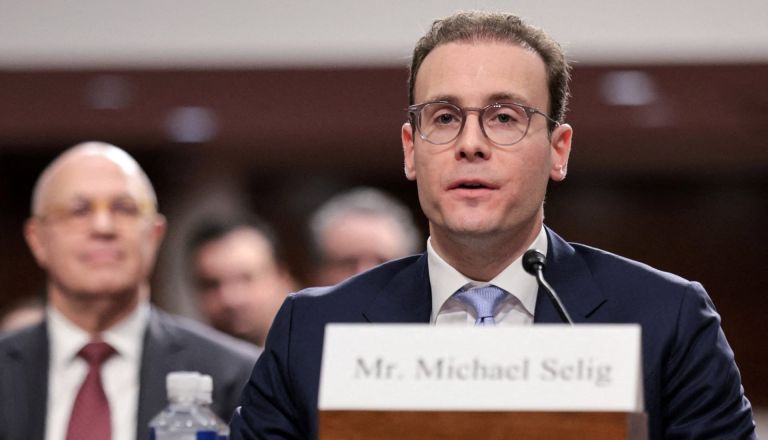
The CFTC is required to consider every comment. Last month, chairman Michael Selig told Front Office Sports his agency would move “aggressively” to put out rule proposals. Once those proposals are issued, there will be an additional period for public comment that can range anywhere from 30 to 90 days, Selig said.
NBA
The NBA, which is in talks with Kalshi and Polymarket, said protecting game integrity is its “highest priority.” The league said prediction markets raise similar integrity risks to sports betting and should be subject to robust, sports-specific regulation.
In addition to asking the CFTC to require that platforms coordinate with leagues before listing contracts tied to their competitions, the NBA said athletes, officials, and other league personnel should be banned from trading on any contracts related to the league. It also said the NBA should have the ability to review contracts that resemble prop or parlay-style bets in advance, and urged the CFTC to consider a rule requiring traders to be at least 21 to use platforms (currently, in many cases, users as young as 18 can trade on prediction markets).
MLB
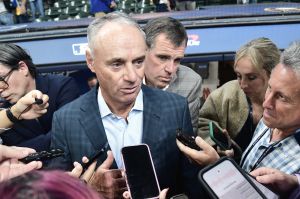
MLB, which signed an agreement with the CFTC as part of its Polymarket partnership, said it “applauds” the CFTC’s engagement with the public. It requested a requirement for communication between exchanges and sports leagues prior to the self-certification of event contracts so potentially problematic markets can be blocked before becoming available. Platforms should not be able to solely rely on third-party data providers and integrity monitors like Sportradar and Genius Sports, MLB said.
It also argued the CFTC should borrow from traditional sports betting regulation, pointing to measures like advertising restrictions, self-exclusion programs, bans on wagering with credit, and problem-gambling funding.

Players Unions
The players unions for the NFL, MLB, NBA, NHL, and MLS focused on how players and their families are affected by the current culture of sports betting.
People “targeting our members…do not distinguish between state-regulated wagers and contracts offered on prediction markets,” they said. The unions pressed the CFTC to ensure that stadiums have “specific fan conduct policies” prohibiting harassment of players, “with significant penalties for violators,” including ejection from a given game and “loss of future ticket privileges.”
Charlie Baker
The NCAA president’s letter echoed his previous sentiments conveying disdain for the proliferation of prediction markets in sports.
“While I continue to believe that a temporary suspension of trading on these markets would be prudent, collaborating with you and the Commission to develop the safeguards described above to protect student-athletes, consumers, and the integrity of collegiate athletic competitions, is essential,” he wrote.
PGA Tour
The PGA Tour has also yet to embrace prediction markets. It asked the CFTC to require “robust” integrity monitoring and safeguards, establish “know your customer” standards so that leagues and platforms can identify anyone making suspicious trades, and increase the age requirement for people to trade on sports event contracts to 21.
It also told the CFTC to restrict “potentially harmful markets,” allow leagues to approve or deny markets before they go live, and establish anti-harassment measures “for the safety of all athletes.”
ATP Tour
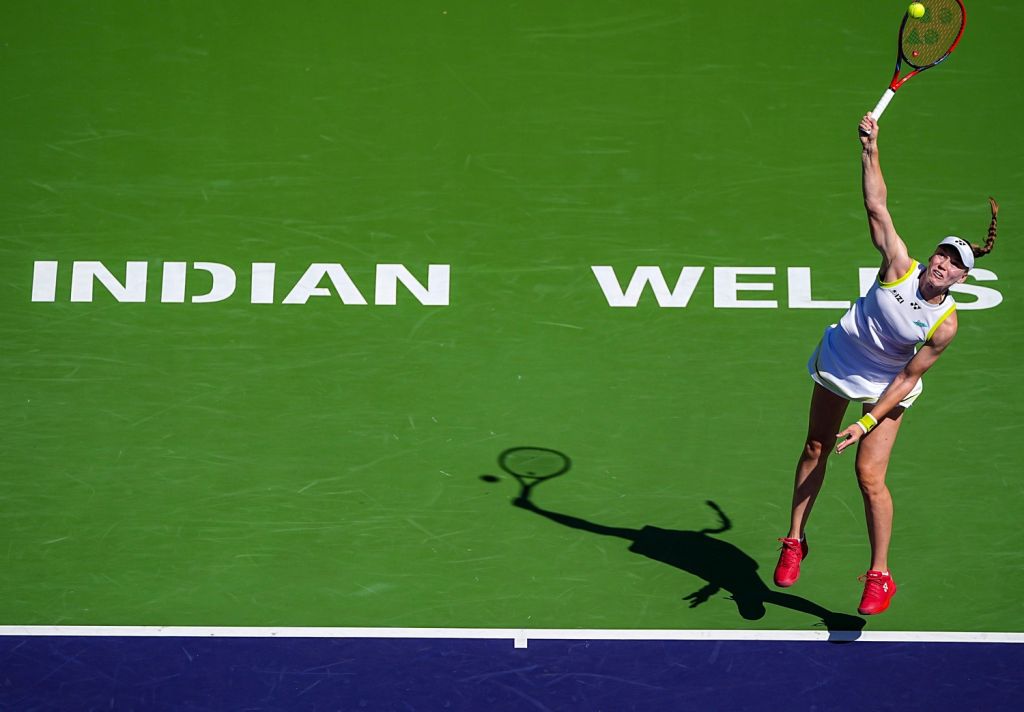
The global men’s professional tennis tour seeks similar protections to those outlined by other leagues, from information sharing to significant know-you-customer requirements. It said state-level regulatory frameworks “have proven effective in safeguarding competition integrity and protecting consumers,” and that any federal framework should be “carefully designed to mitigate the risks associated with staking money on the outcome of sports events.”
FanDuel and DraftKings
Both sports betting giants have launched their own prediction-market platforms, although they are only available in states where traditional sports betting remains illegal.
FanDuel pushed for integrity protections, information-sharing requirements between platforms and leagues, and rules around use of nonpublic information to trade. The company also said it’s important to implement standards around prediction-market advertising in order to protect consumers.
DraftKings “supports clear and durable rules for prediction markets that protect customers, preserve market integrity, and permit workable market structures.” It pointed to the importance of clear criteria for how individual contracts should be settled—that issue came up during the Super Bowl, when different platforms handled markets for whether Cardi B “performed” during the halftime show differently. DraftKings said the CFTC “should not mandate that sports event contracts settle using official league data.”
“The better approach is to require that settlement criteria be reliable, clearly specified, objectively verifiable, and consistently disclosed in advance,” it said.
Kalshi and Polymarket
The heated rivals each submitted comments to the CFTC, with Kalshi’s comment coming via a 31-page letter from cofounder Luana Lopes Lara. She said “real-world competitions,” including sports games, are distinct from “games of chance” like casino games, lotteries, and slot machines, and that proper regulations can ensure integrity in those markets.
The Polymarket letter was submitted not by founder Shayne Coplan, but by Justin Hertzberg, who is CEO of Polymarket US. (Polymarket’s international platform is what was used by the U.S. Army Sergeant who was recently indicted for alleged insider trading.) Hertzberg applauded the CFTC’s decision to weigh in on prediction markets, but cautioned it not to go too far by imposing “unnecessary regulatory burdens” that could “stifle innovation.”
His 10-page letter did not focus very much on sports, other than to say that it’s among the categories Polymarket feels falls under the CFTC’s exclusive jurisdiction because of a federal law called the Commodity Exchange Act.
Download the FOS App
The business of sports, in your pocket.



Scan the QR code to get the app now.