Want more from Front Office Sports
in your search results?
Last week, close observers of the World Cup ticket market told Front Office Sports they predict FIFA will ramp up its corporate giveaways as part of its last-minute ticket strategy.
This week, FIFA is doing just that.
Several more World Cup ticket giveaways have been announced in the days leading up to the tournament, which kicks off in Mexico on Thursday. The giveaways mean FIFA can unload thousands of tickets—unsold because dynamic pricing set the prices higher than the demand—without having to lower prices on their own primary sale site or eat the cost entirely. The governing body has dumped at least 8,800 tickets through the giveaways, with about 16,000 tickets left on its official website on Tuesday, according to TicketData.
On Monday, Massachusetts Gov. Maura Healey announced 1,104 free tickets donated by Airbnb for children in the state.
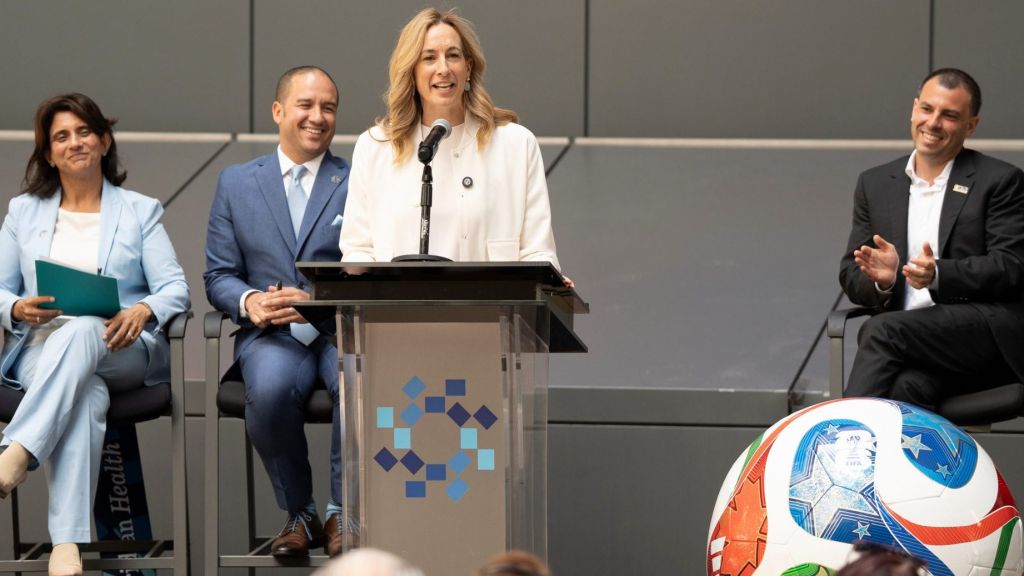
On Tuesday, New Jersey Gov. Mikie Sherrill announced 770 free tickets for her residents, with 200 of those set aside for nurses and pediatric patients. The tickets were secured by the host committee and funded by Uber and Hackensack Meridian Health.
Other giveaways are targeting specific countries’ fans. An Austrian influencer posted a promotion for free tickets to the Austria–Jordan match, and Ghana’s ambassador to Canada is seeking email addresses of Ghanaians in the country wanting to attend Ghana–Panama in Toronto.
FIFA still has thousands of unsold tickets remaining on its primary sales market. Many more are for sale on resale sites. Prices have yet to drop across the board, but some fans are holding out for a last-minute fall.
Last week, Kieran Maguire, author and cohost of The Price of Football podcast, told FOS that having companies back ticket giveaways “works within the FIFA narrative.”
“If the kids go to the football and have a great time, absolutely fantastic,” Maguire said. “But there are many people who have followed their country’s team all over Europe and Africa and Asia through the qualifiers, who have been put off by the lack of faith, the lack of trust that they have in FIFA due to the pricing strategy.”
Last month, New York City mayor Zohran Mamdani announced 1,000 tickets at $50 for city residents, taken from the host committee’s allotment with FIFA approval. Then last week, the city of Seattle announced more than 1,400 free tickets for local youth and their guardians— again covered by corporate sponsors—and Bank of America announced it spent $2 million for 4,547 free tickets for veterans and first responders.
FIFA had set aside discounted tickets for locals at previous World Cups, but did not do so out of the gate for this one. The global governing body—a nonprofit that plans to bring in $11 billion from this World Cup, up from $7.5 billion in Qatar four years ago—has defended its high ticket prices by saying the strategy is necessary in the North American entertainment market.
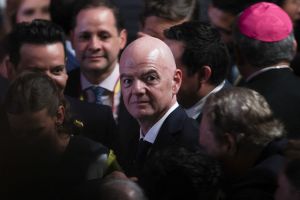
“You cannot go to watch in the U.S. a college [football] game, not even speaking about a top professional game of a certain level, for less than $300,” FIFA president Gianni Infantino said last month. “And this is the World Cup.”
Download the FOS App
The business of sports, in your pocket.



Scan the QR code to get the app now.