Want more from Front Office Sports
in your search results?
As college athletes begin to capitalize on their newfound fifth year of eligibility granted through the injunction in the Wisne v. NCAA lawsuit, the NCAA is continuing to fight to overturn the ruling altogether.
On Tuesday, the NCAA notched its first procedural win in that appeals process. The Tenth Circuit Court of Appeals filed an expedited briefing schedule to consider whether to pause the injunction while it considers the appeal. That means players may find out sometime next week whether the newfound eligibility they received due to the injunction would be reversed—at least until the Tenth Circuit makes a final ruling.
“The Division I Cabinet, including its student-athlete members, carefully considered whether to make the age-based eligibility rule apply retroactively, and decided that doing so would not be in the best interest of all current and future college athletes,” NCAA Chief Legal Officer Scott Bearby said in a statement Tuesday. “We stand behind and will continue to fully defend the membership’s decision. The injunction should never have been granted, and we have asked the Tenth Circuit to permanently reverse it.”
The NCAA first established the new “age-based” eligibility policy in June. It stated that players would have five years to complete up to five seasons (rather than four seasons) starting on their 19th birthday or when they entered college, whichever came first. But the NCAA also decided that players who entered college in 2022 and had already completed four seasons of eligibility would not be granted a fifth year.
This caused a flood of lawsuits—including the Wisne case in Colorado, a federal proposed class action that asked for an injunction allowing a fifth year for all Division I athletes from the 2022 freshman class.
Colorado district court judge Charlotte Sweeney granted that decision on July 31—making thousands of players eligible overnight and throwing the college sports world into chaos. That chaos has continued despite Sweeney’s clarification that the NCAA could still enforce other rules like the “ghost transfer rule,” roster limits, and professional eligibility restrictions, making some athletes from this freshman class ineligible.
The NCAA immediately appealed the decision, and asked both Sweeney and the Tenth Circuit to stay the injunction until the appeal process concluded. Sweeney declined on Monday night. On Tuesday, however, the Tenth Circuit set forth a briefing schedule on the motion, suggesting that it could rule shortly on whether to pause the injunction.
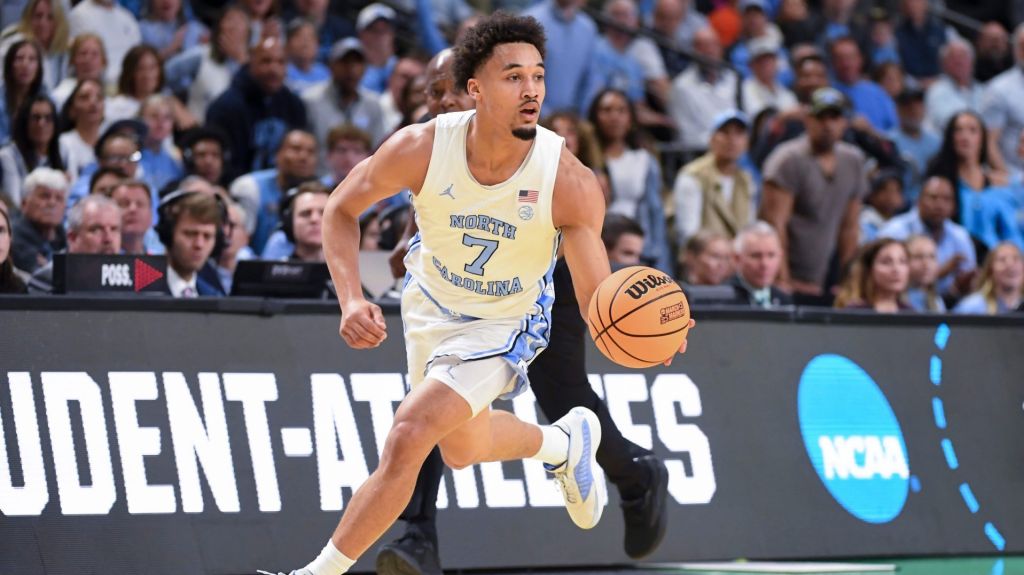
In the meantime, players in both football and men’s basketball have begun to take advantage of their fifth year. One high-profile move happened Wednesday morning, when UNC star basketball player Seth Trimble told ESPN that he will transfer from UNC to Louisville for his fifth year.
Trimble began his college career in 2022, and had completed four years of eligibility—but now gets a fifth year under the injunction. In addition, he reportedly had entered his name into the transfer portal during the April window even though he didn’t know at the time he would get another year, so he can freely transfer to Louisville without being subject to the “ghost transfer” restrictions, which prohibit players from moving to another program if they hadn’t formally entered the portal.
Trimble’s situation is yet another example of the uncertainty in college sports as players and their agents, along with coaches and NIL operators, scramble to figure out if there are players they can add to beef up their rosters. At the same time, they’re trying to determine whether taking that leap could come back to bite them if the rules change yet again.
It’s unclear how Louisville and Trimble will handle the situation if the NCAA’s request for a stay of the injunction, or ultimate appeal, is successful.
A Louisville spokesperson declined to comment specifically on Trimble’s situation, but said: “We are actively monitoring all NCAA and state/federal legal proceedings regarding additional year(s) of eligibility for any potential student-athletes. Based on these outcomes and the guidance provided, we will work through established NCAA eligibility procedures to ensure all student-athlete(s) meet applicable NCAA eligibility requirements before competing at the University of Louisville.”
Download the FOS App
The business of sports, in your pocket.



Scan the QR code to get the app now.