Want more from Front Office Sports
in your search results?
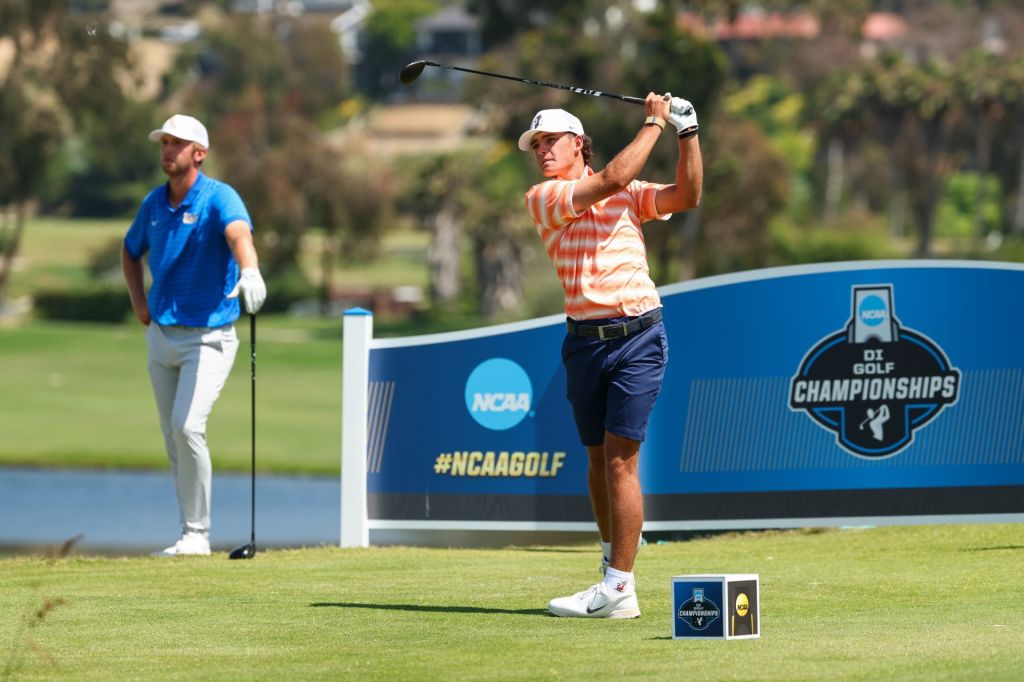
After three years of playing the NCAA golf championships at the North Course at Omni La Costa in Carlsbad, Calif., organizers are ready to take the next steps in creating a permanent home for the sport’s premier college showcase.
“Omaha is the gold standard,” Texas men’s golf coach John Fields, the unlikely figurehead behind this ambitious movement, tells Front Office Sports. “And if you watched Oklahoma City with the women—those stands are full, they’re doing great—that’s become a gold standard, as well. That’s the same thing we’re trying to do with men’s and women’s golf.”
Of course, Fields is referring to the long-term contracts the men’s and women’s College World Series have in their respective host cities—unique deals because most NCAA championships rotate between host cities on an annual basis.
Fields, 67, has become the de facto spokesperson for the NCAA golf championship’s new era since Texas took over official host university duties in 2024, despite the 1,100-plus miles between Austin and Carlsbad.
No Southern California schools ultimately wanted to become hosts during that bid cycle in 2020, so the Longhorns stepped up with a bold vision alongside some powerful partners.
Omni Hotels & Resorts, the Dallas-based luxury lodging chain, greenlit a $200 million renovation of its La Costa property, including a $20 million project upgrading its North Course that saw renowned golf architect Gil Hanse hired for the re-design.
Like the College World Series model, an independent non-profit was set up so the NCAA golf championships could operate as a true neutral site and build long-term stability.
“We’ve created the College World Golf Championships Foundation so that we can—at some point, similar to Omaha, similar to Oklahoma—be self-sufficient and really start to raise money to where the NCAA can back out a little bit with their funding and that we can create this self-sustaining championship,” Omni chief sales officer Dan Surette tells FOS.
The cost of conducting the NCAA men’s and women’s golf championships is in the “seven-figures,” Fields says. “It’s a heck of an undertaking, to say the least.”
Up for Grabs
Next up is bidding for another cycle of championships after the current five-year deal in Carlsbad finishes in 2028. The NCAA’s bidding process opens this summer, with bids due in the fall.
“We’ll put in a bid,” Fields says. “There’ll be some other programs that will put in bids, most likely, maybe. They’re getting fewer and farther between because it is a substantial number to run these two championships back to back.”
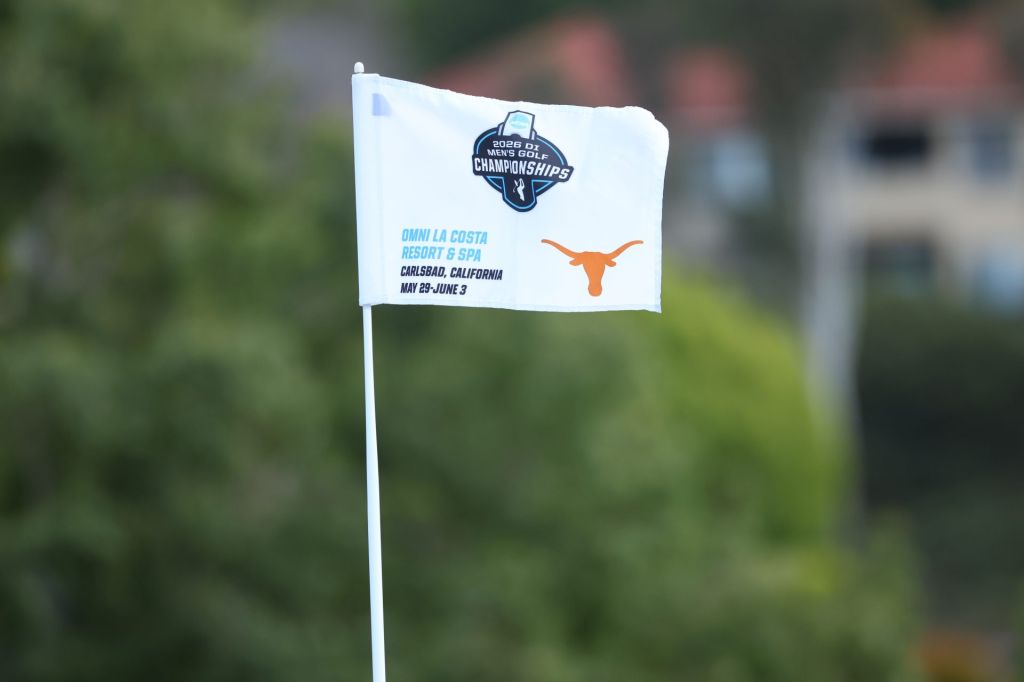
The confidence among the current operators about retaining the championships is high.
“Our goal would be for another four years and maybe sort of a permanent status,” Surette says. “But we don’t want to put the cart before the horse there. I think the feedback has been really strong from a lot of fronts.”
A four-year extension would take the NCAA golf championships’ run in Carlsbad to nine years—through 2032.
NCAA managing director of championships John Baldwin expects a “competitive process” once bidding opens.
“We’ve had a really good experience the last three years,” Baldwin tells FOS. “There’s a lot of value in being able to build on something from one year to the next. I know there’s also a faction of our membership, and the general public for that matter, that would love to see a national championship bounce around from site to site—and there’s pros and cons to each of those approaches.”
Attendance for this year has not been released, but the golf championships drew crowds of 13,958 in 2024 and 7,884 in 2025. Golf Channel has been the event’s longtime TV partner.
The NCAA would entertain proposals for a longer-term golf contract like baseball and softball have in Omaha and Oklahoma City. “That’s certainly a conversation that we’re open to,” Baldwin says. “But up to this point, it’s been status quo with the bid cycles.”
Long-Term Vision
Carlsbad is one of the biggest golf hubs in the world for golf equipment manufactures, with top brands like Callaway and TaylorMade headquartered in town, and Titleist also having a major office.
That presents an ideal scenario for giving the NCAA golf championships a premium environment, as the top players competing transition from amateurs to professionals.
Surette sees more opportunity for on-site growth like increased hospitality, player and team experiences, sponsorships, and even golf industry expos that could bring more attendees to town.
Fields has a dream of one day seeing 10,000 fans per-day at the NCAA golf championships.
“I do think over time, if we do a great job, we can position ourselves in a much stronger way in the hierarchy of collegiate sports,” he says.
Download the FOS App
The business of sports, in your pocket.



Scan the QR code to get the app now.