Want more from Front Office Sports
in your search results?
In light of a new NCAA rule, schools nationwide are clamoring to ink lucrative jersey patch sponsorships—deals that have been rumored to bring them tens of millions of dollars in some cases. But schools that previously had to share sponsorship contract details due to state public records laws are keeping the specifics of these deals under wraps.
In response to public records requests made by Front Office Sports, Ohio State and Kansas said they are not party to the jersey patch contracts, and therefore don’t have copies at all. Instead, they say, the deals are actually between the sponsor and their multimedia rights holders (MMR partners)—the private companies that broker sponsorships and other deals for athletic departments and are not subject to public records laws.
Whether intentional or not, the practice could result in less transparency about the multimillion-dollar deals that public university athletic departments strike with sponsors and other companies.
“University athletic departments seem to be increasingly diverting their deals through their MMR first in a way that some may say violates the spirit—if not the letter—of open records laws,” Boise State law professor and college sports litigation expert Sam Ehrlich told FOS.
State public records laws allow members of the public and the media to request copies of documents from public entities—including public universities. These could be anything from email communications between employees and their employment contracts to business contracts and budgets. For example, FOS recently published a story based on public records requests divulging the cost of Illinois athletics’s purchase of a Daktronics jumbotron. College sports newsletter “Extra Points” includes a library of public records including budgets and vendor contracts, and apparel deals; newsletter FOIAball publishes issues exclusively based on information obtained through public records.
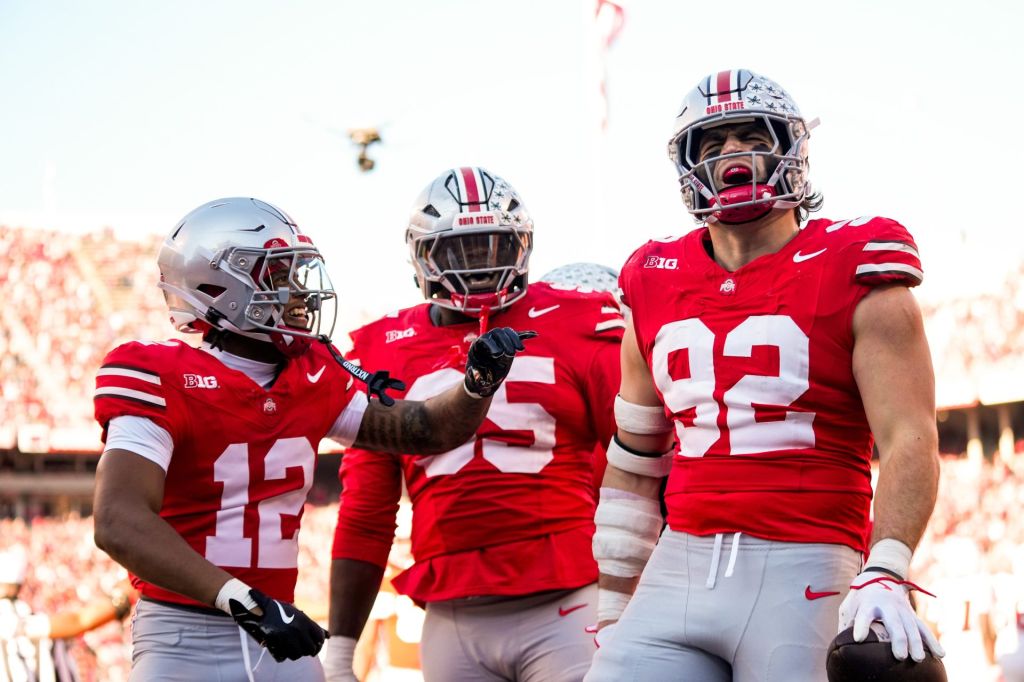
Last week, FOS requested a copy of Ohio State’s jersey patch deal with JPMorganChase. The partnership, highly publicized by Ohio State, was rumored to be worth between $18 million and $20 million.
Within minutes of sending a public records request, an Ohio State university spokesperson responded with a denial. “The agreement is between Chase Bank and [MMR partner] Learfield; therefore, Ohio State has no responsive records to your request.”
With its denial, Ohio State implied Learfield hadn’t just brokered the deal, but also that the deal itself was just between JPMorganChase and Learfield, and Ohio State wasn’t involved in the agreement.
“Ohio State routinely provides the contract for our partnership with Learfield in response to public records requests,” the university spokesperson said when asked whether this denial was the case with all sponsorship deals procured by Learfield. “Contract agreements between Learfield and third-party sponsors would be with Learfield.” (Learfield is one of several MMR companies in the college sports space; Playfly is another.)
The University of Kansas also denied a public records request from FOS for the athletic department’s jersey patch deal with cryptocurrency company Ripple. The school also said it “has determined that it possesses no records responsive to this request.” The Kansas-Ripple deal was also brokered by Learfield, according to a university press release.
In response to a follow-up inquiry, a Kansas university spokesperson said the patch deal “was contracted through Learfield, which is Kansas Athletics’ multimedia rights-holder—a common practice you may have encountered elsewhere.”
Universities can deny public records requests by claiming attorney-client privilege or by claiming athletics records aren’t requestable because the athletic department has spun off into a separate, private entity. But pointing to the multimedia rights holder could be used to prevent the public from seeing not just jersey patch deals, but also other types of athletic department sponsorships.
“As more universities do it and have success hiding records doing it, it’ll probably encourage more schools to structure their operations in similar ways,” Ehrlich said. “Ultimately we may see a whole lot of public university records shielded because of this structure.”
A spokesperson for Learfield declined to comment.
Download the FOS App
The business of sports, in your pocket.



Scan the QR code to get the app now.