Want more from Front Office Sports
in your search results?
The Big 12 is taking the Brendan Sorsby debacle to court with a lawsuit of its own.
On Monday, the Big 12 filed a federal lawsuit against Texas Tech and Texas’s state attorney general, Ken Paxton, seeking a judgment to allow it to enforce its bylaws against the school if it decides to play Sorsby despite his gambling transgressions.
The conference has not yet decided whether to sanction Texas Tech. Instead, the lawsuit, filed in the Northern District of Texas Dallas Division, says that the Big 12 is seeking a confirmation that it can enforce its bylaws, which include a provision to allow the Big 12 to sanction a school if a super-majority of schools vote to do so, according to a copy of the complaint obtained by Front Office Sports. Sorsby is not named as a defendant in the lawsuit.
Yahoo Sports first reported the news of the lawsuit.
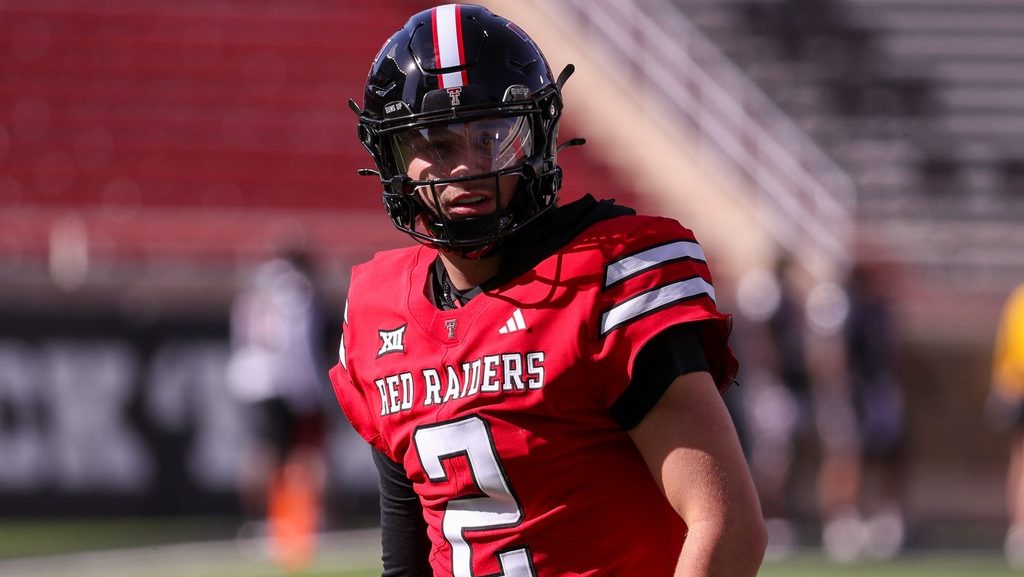
The lawsuit is the latest in an ongoing saga involving the eligibility of Sorsby, Texas Tech’s new quarterback. In May, Sorsby announced he would seek in-patient treatment for gambling addiction after the NCAA notified Texas Tech of an investigation into years of gambling activities that included betting on his own team while at Indiana.
Sorsby later filed a lawsuit against the NCAA seeking eligibility to play despite these violations. He was granted the injunction last Monday, a decision that caused uproar across college sports and within the Big 12. The conference has held multiple meetings in the week since to discuss whether to sanction the Red Raiders if they decide to play Sorsby.
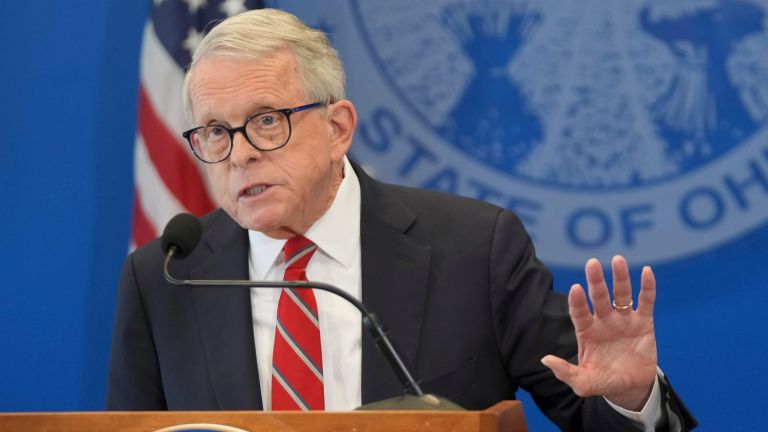
The case also comes just days after Paxton sent the Big 12 a letter stating that Texas Tech would pursue litigation if the conference tried to sanction the school; Oklahoma Attorney General Gentner Drummond fired back with a letter of his own defending the conference on Friday. After the lawsuit was filed on Monday, the attorneys general of Kansas and Utah—both of which have Big 12 schools in their states—published their own letters of support for the Big 12.
In the complaint, the Big 12 argued that its bylaws give it the authority to sanction Texas Tech if the Red Raiders decide to play Sorsby, because he violated NCAA rules and state laws, and that his playing could cause reputational damage to the conference. All the league needs, according to the complaint, is a “supermajority” of schools to agree to do so.
The lawsuit also cites instances in which Texas Tech took part in this process to sanction other schools, including with Baylor’s Title IX scandal in 2016.
“There is considerable concern within the Conference, the Board, and the Member Institutions about (among other things) reputational harm, irreparable damage to public and Member trust in the integrity of Big 12 competitions, and the possibility that TTU could take a spot from another Member Institution in the Big 12 Championship Game with a player that has acted contrary to Conference rules and values and could ultimately be determined in the Lubbock County Litigation—after the Big 12 Championship—to have been ineligible for competition,” the complaint states. “Such harm would be irreparable to the Conference and its members.”
The Big 12 also argues that the injunction Sorsby procured to force the NCAA to allow him to play this season should not apply to the Big 12 conference’s bylaws, because the Big 12 as a conference has the authority to establish and enforce its own eligibility rules.
“This action is not an attempt to challenge that Injunction, and this Court is not being asked to make any determinations related to Sorsby’s eligibility to play college athletics or to the Conference’s right to sanction Sorsby as an individual,” the complaint said. “The Injunction is a court order directed at the NCAA, governing the NCAA’s enforcement of its own Bylaw 12.9.4.2 against Sorsby. Whatever the Injunction requires of the NCAA, it does not address the issues of the Conference’s separate and independent governance authority over its Member Institutions.”
Ultimately, the lawsuit seeks a swift judgment on whether the Big 12 can sanction Texas Tech in whatever way its members deem fit. It cites the letter sent by Paxton to the conference threatening that Texas Tech would take legal action if the conference sanctioned the school. Similarly, it notes Drummond’s responding letter, arguing that the Big 12 did, in fact, have the authority to sanction the Red Raiders.
In court documents, the Big 12 said it has not yet taken a vote on whether to sanction Sorsby because of the “legal uncertainty” created by these dueling letters.
If the judge rules in favor of the Big 12, the conference would have multiple options with regards to sanctions, according to a copy of the Big 12 bylaws attached to the complaint. “Without limiting the foregoing and merely as an illustration of the types of Sanctions that could be considered by a Supermajority of Disinterested Directors are prohibitions on appearance in postseason events or televised events, restrictions on revenue distributions, and limitations on recruiting or scholarships,” the bylaws state.
After a meeting of the full board on Monday, the Big 12 released a statement on behalf of its board of directors describing the lawsuit as “asking a federal court to protect the constitutional and contractual rights of the Conference and our member institutions to take actions expressly permitted under our Bylaws.” The conference added: “Universities should not field players who have bet on their own team’s games in college athletics.”
“This situation is evolving with pending legal matters and the upcoming start of the football season, and the Conference hopes for a timely resolution of these issues,” the conference said. “The Board continues to keep all options on the table.”
Representatives for Texas Tech and Paxton’s office did not immediately respond to a request for comment.
Download the FOS App
The business of sports, in your pocket.



Scan the QR code to get the app now.