Want more from Front Office Sports
in your search results?
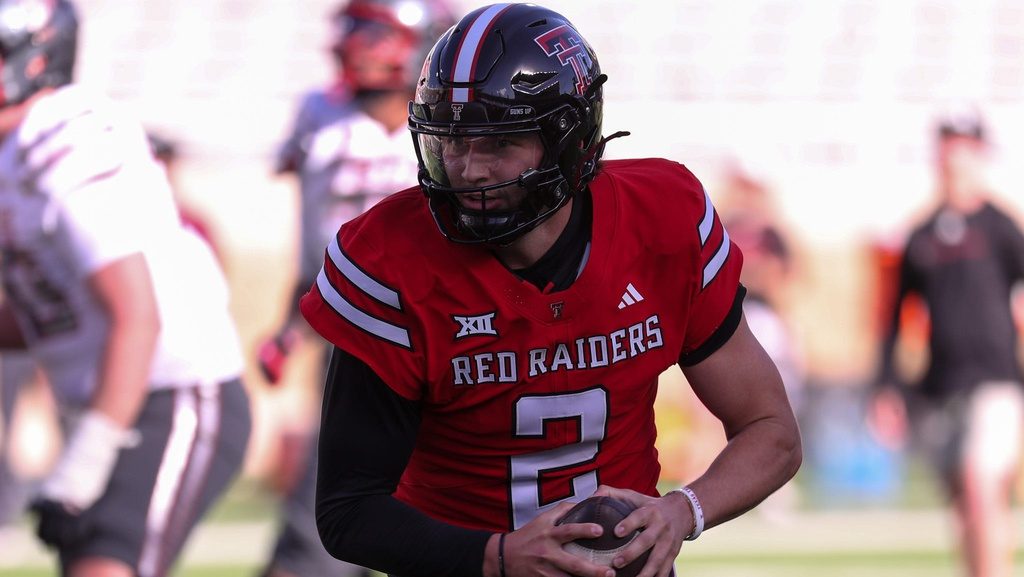
This week, the Big 12 has faced pressure—both internally and externally—to sanction Texas Tech if it allows quarterback Brendan Sorsby to play this season in light of an injunction granting him NCAA eligibility despite his gambling violations.
But while the conference considers next steps, legal threats have mounted from both Texas Attorney General Ken Paxton and Sorsby’s attorney, Jeffrey Kessler, according to copies of the letters obtained by Front Office Sports.
Two weeks ago, Sorsby, fresh out of in-patient treatment for gambling addiction, sued the NCAA for eligibility to play next fall, despite admitting to placing thousands of bets while playing college football, including on his own team while at Indiana. On Monday, Sorsby won an injunction in Texas state court stating that the NCAA was required to allow him eligibility this upcoming football season, following a two-game suspension for his gambling activities. Texas Tech has not confirmed if or when Sorsby will play, but the program has confirmed he will rejoin the team.
The ruling sparked outrage across college sports. Georgia, for example, instructed its athletic department to boycott scheduling Texas Tech. The Big Ten also considered a boycott of the program, though the conference will not prevent schools from playing the Red Raiders, according to The Athletic.
On Tuesday, Big 12 athletic directors met to discuss the situation. Sources said they expressed unanimous anger that Texas Tech would play Sorsby and asked the Big 12 to sanction the Red Raiders.
In the wake of the meeting, as well as backlash on social media, Texas Tech athletic director Kirby Hocutt released a lengthy statement defending Sorsby and the school’s decision. “Texas Tech was not a party to Brendan’s lawsuit,” he said. “We did not file it. We did not fund it.”
But that doesn’t mean Texas Tech won’t take legal action of its own in the near future.
On Thursday, the Big 12 convened a meeting of its executive board, a small group of university presidents tasked with suggesting options for how the conference might sanction the Red Raiders if they chose to play Sorsby. But ahead of the meeting, they received a two-page letter from Paxton—a graduate of fellow Big 12 school Baylor—urging them to tread lightly.
The letter said that if the Big 12 invoked a bylaw sanctioning the school, it would be exposed to not just antitrust claims (which the letter estimated could top $200 million in damages), but also breach of contract and tortious interference claims.
“Should the Big 12 seek to sanction Texas Tech for acting consistent with the Order, Texas Tech will pursue all legal avenues to protect its interests and those of Texas Tech’s student-athletes,” Paxton wrote.
In response, Big 12 commissioner Brett Yormark acknowledged receipt of the letter, but said that after the executive board meeting, “all options remain on the table.” He added that “sentiment among our executive board was no different from what we heard from the ADs earlier this week”—implying the executive board was potentially just as enthusiastic about sanctioning Texas Tech.
A few hours later, Sorsby’s attorney, Kessler—who represented the plaintiffs in the House v. NCAA settlement case—penned a letter of his own to the conference threatening legal action if Texas Tech was punished. “What does it say about the Big 12 if it decides to lawlessly violate a court order?,” he wrote. “What message does it send to its students if its response to a lawful court order is to be contemptuous of its terms? One would expect something more honorable from the Conference and its member schools.”
To cap off a tumultuous day, Texas Tech released a 22-minute video featuring university president Lawrence Schovanec,football coach Joey McGuire, and Hocutt sitting at a table. The officials detailed Sorsby’s recovery plan, specifically highlighting Texas Tech’s Center for Students in Addiction Recovery, as well as a monitoring program put in place to ensure he doesn’t relapse. They did not confirm that Sorsby would suit up for the Red Raiders, saying that would depend on his recovery process—but they didn’t deny they would allow him to play, either.
“Brendan made a mistake. We acknowledge that. And mistakes have consequences. At the same time, bere’s a young man with a dream and vision to pursue a career,” Schovanec said. “And we felt, not to have the opportunity to pursue that career, given the circumstances and the evolving changes in this world that these athletes face, was unfair and unjust.”
Meanwhile, Yormark said all Big 12 university presidents would convene on Monday. The conference may have some extra legal muscle of its own—from Oklahoma attorney general Gentner Drummond.
On Friday afternoon, Drummond penned a letter of his own to the conference stating that he was “ready to assist the Big 12 if Texas Tech’s leadership attempts to punish the Conference for doing the right thing.”
Download the FOS App
The business of sports, in your pocket.



Scan the QR code to get the app now.