Want more from Front Office Sports
in your search results?
On Thursday, a local Baton Rouge judge will preside over a hearing that could result in former NFL players returning to college football to play for LSU. Ahead of that landmark hearing, however, officials in and around the SEC have already begun to attempt to prevent LSU from doing so—or punish them if they do.
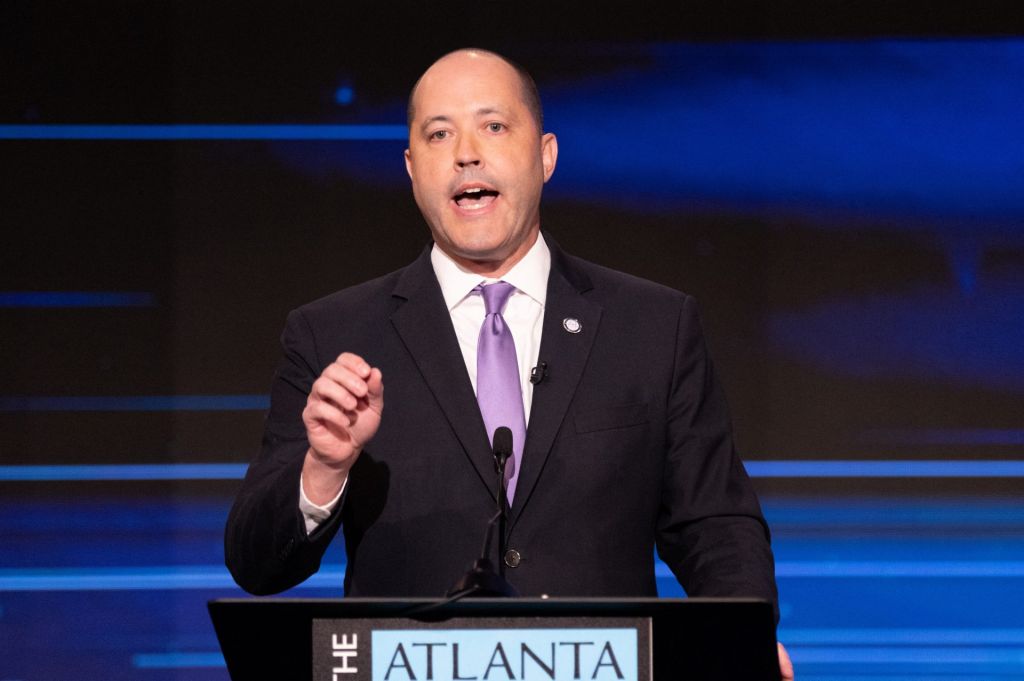
School officials have discussed harsh penalties if LSU goes through with playing these athletes, including expelling LSU from the conference, sources told Front Office Sports. Georgia attorney general Chris Carr has even offered to support the conference in doing so.
“If LSU does in fact roster one or more pro athletes or demonstrates concrete plans to do so, we would strongly encourage the SEC to take all measures available to address this conduct, up to and including suspending and/or removing LSU from the Conference,” reads a copy of the letter Carr wrote to the SEC Wednesday obtained by FOS. The letter was first reported by ESPN.
The brewing battle between LSU, football players, and the SEC didn’t start as an attempt to bring NFL players back to college. Instead, it stems from a Louisiana state lawsuit challenging the implementation of the NCAA’s new age-based eligibility policy, which states players will have five years to complete five seasons, rather than four.
Players who started college in 2022 and exhausted four years of eligibility before the new policy took effect have begun suing to get access to a fifth year. This case is one of those lawsuits; it just so happens that plaintiffs participated in NFL preseason activities, causing an uproar nationwide over pro football players returning to college. LSU scooped up two of them: Dae’Quan Wright and Zxavian Harris.
In response, the SEC, along with the other power conferences, all announced conference-wide policies barring players who signed NFL contracts (even preseason contracts) or appeared on NFL rosters. (Wright and Harris would both be banned under this policy). The penalties were harsh, including a suspension of the head coach for 50% of the season, a fine equaling 50% of a sport’s annual operating budget, and revocation of SEC voting privileges, FOS previously confirmed.
But neither the players nor LSU backed down. Players’ attorneys got the SEC added to the original temporary restraining order, meaning neither the SEC nor the NCAA could enforce its pro player bans. LSU head coach Lane Kiffin confirmed earlier this week that Wright was playing with the team, though he added he was waiting on further guidance regarding whether Wright could actually appear in a game.
The conference has stated it fully intends to enforce its pro player ban, though it would comply with all requisite court orders. Meanwhile, university officials within the conference are weighing expulsion, sources said, but they were skeptical that schools would ever actually seriously exercise that nuclear option.
“There is real talk about that, but talk is cheap,” said one source.
If they do, however, Carr is ready to back them up. “College sports are for college athletes only, and we are grateful that the SEC has taken swift action to maintain that standard,” Carr wrote. “However, rules cannot be ignored or twisted to benefit one coach, one institution, or one program, and we refuse to stand by while that happens.”
Both SEC and LSU officials declined to comment on the letter. Louisiana AG Liz Murrill’s office did not immediately respond to a request for comment.
Carr, for his part, isn’t the only government official interested in the LSU-SEC conundrum. Last week, Gov. Jeff Landry defended LSU’s position in comments to FOS, saying: “Don’t hate the player, hate the game.” Landry’s office did not immediately respond to a request for comment regarding Carr’s letter.
What’s more, Baton Rouge district attorney Tony Clayton—an elected official with the title of district attorney for the 18th judicial district in Louisiana—has involved himself in this case and publicly defended LSU. (He was also one of the attorneys involved in the eligibility case of former pro basketball player RJ Luis Jr., who also intends to play for LSU.)
Amid all the threats swirling, however, the ultimate decision-maker—at least for now—appears to be Judge William Jorden of Baton Rouge. At around 11 a.m. local time Thursday, Jorden will preside over the hearing on whether the SEC and NCAA can implement rules to prevent these players from another year of NCAA eligibility. All parties will choose how to proceed after that decision.
Download the FOS App
The business of sports, in your pocket.



Scan the QR code to get the app now.