Want more from Front Office Sports
in your search results?
Darren Heitner’s inbox is overflowing.
As one of the most well-known attorneys in NIL (name, image, and likeness) deals and NCAA eligibility lawsuits. Heitner has become used to a deluge of emails throughout the past few years. But right now, everything is amplified.
“I’m getting roughly five emails per minute from 9 a.m. to 5 p.m.,” Heitner tells Front Office Sports—thousands of inbox pings each day.
The source of the email overload: a new eligibility rule that’s rocked college sports. In June, the NCAA approved a new “Age-Based” eligibility policy allowing players five years to complete up to five seasons in college sports beginning on their 19th birthday or when they enroll in college, whichever comes first.
The policy was created to give players an extra season, and also standardize eligibility rules to stop a flood of lawsuits with players challenging various aspects of policy in court. Instead, it sparked a new cascade of cases in courthouses nationwide.
The main pushback from athletes hinges on the NCAA’s decision that players who graduated high school in 2022 and have already exhausted four years of eligibility by this past year were not eligible for a fifth year. Now, athletes across sports are wondering whether they can get one more year of college sports through litigation, putting Heitner and other well-known NCAA eligibility attorneys on proverbial speed dial.
With new NCAA eligibility mandates in place with the introduction of the age-based rule, Heitner teamed up with another successful eligibility attorney, Ryan Downton, to represent athletes in this situation.
They have each handled high-profile eligibility cases throughout the past two years, including Downtown’s representation of former Vanderbilt quarterback Diego Pavia in his successful federal lawsuit that forced the NCAA to grant a blanket one-year waiver for students like him who’d played in junior college and lost eligibility as a result. The Pavia decision has inspired athletes across the country to challenge various aspects of eligibility rules, prompting the flood of outreach to lawyers and new case filings.
On June 24, Heitner and Downton filed a lawsuit on behalf of 15 men’s and women’s basketball players—all of whom are seeking a fifth year of eligibilty—in Hamilton County, Ohio.
The suit argues the NCAA had committed a breach of contract by preventing them from benefiting from the new eligibility policy, which could, among other things, provide significant earning benefits through NIL and revenue sharing. Notably, they made clear in court documents they weren’t challenging the concept of the new policy, but rather the fact that the athletes won’t be grandfathered into it.
Hamilton County judge Chris Wagner granted the preliminary injunction they requested to force the NCAA to grant them another year of eligibility. The decision also allowed them to utilize the transfer portal despite the window currently being closed.
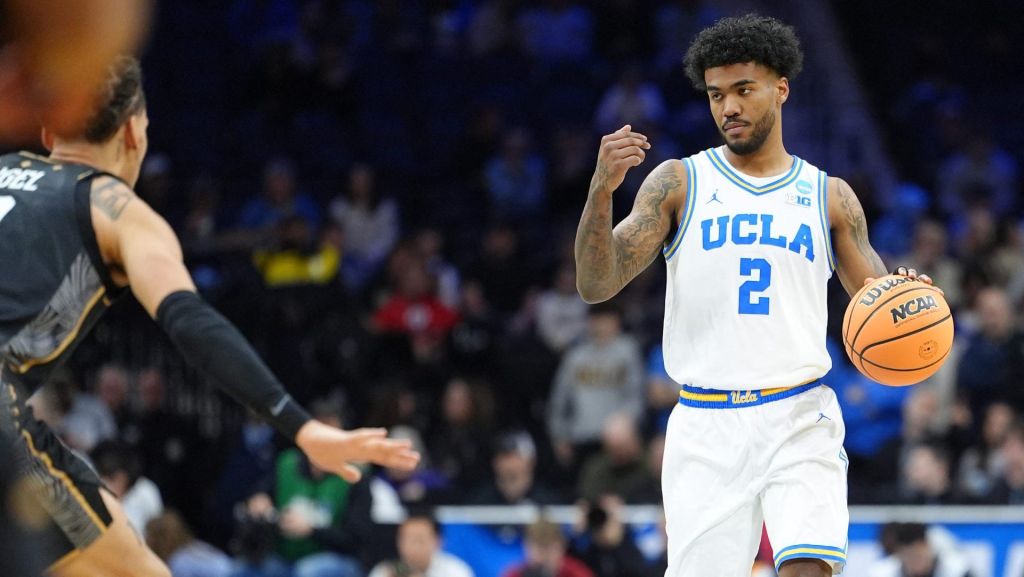
But even before ruling in the Hamilton County case, Downton and Heitner had already begun to file other cases in separate jurisdictions: a case in Nashville on behalf of Vanderbilt center Jalen Washington; a case in Cobb County, Georgia on behalf of 16 other basketball players; and a case in California on behalf of 45 basketball players, including UCLA’s Donovan Dent.
“We are trying our best to help as many players as possible,” Downton tells FOS.
In a new statement to FOS this week, the NCAA continued to defend its policy. “By definition, eligibility rules — like all rules — will leave some individuals out. That outcome is inevitable if eligibility is to exist at all.” It also admonished “the continued attempts by some to get more than the rules provided.”
For both parties, it’s a race against time to get decisions: the 2026–27 school year starts in just one month.
Unlike with Pavia’s case, this group of eligibility suits won’t set a nationwide precedent, given that they’re state specific. However, a proposed class action lawsuit filed last week in federal court in Colorado may have a better chance of doing so.
The plaintiffs in this case, filed on July 10, includes multiple men’s and women’s basketball players, baseball players, and one track and field athlete. The case argues the NCAA’s implementation of the rule violates federal antitrust laws because it illegally imposes restrictions on player eligibility that deprive them of NIL and revenue-sharing opportunities, as well as the ability to continue their education through scholarships and other aid.
One of the attorneys on the suit—Bob Boland, partner and sports industry co-chair at Shumaker, Loop, & Kendrick—tells FOS he hopes the case sets the precedent he believes players deserve. “Who gets to play, how long they get to play, and what rights they have during that period of time are critical,” he said. “That’s kind of the tragedy of this situation—the [NCAA’s] abrogation of responsibility.”
But since the approval of the age-based rule, the NCAA has argued that its policy denying grandfathering was not only sound, but also necessary.
“The effect of this ruling will be to take away value participation opportunities from student-athletes who are eligible to compete, in favor of those who have already received exactly the number of seasons of competition they expected,” the NCAA wrote after the Hamilton County decision.
To counter the ruling, the NCAA has already sought an appeal of the injunction—and Judge Wagner agreed to allow the appeal process to proceed, though a request to stay the injunction pending appeal was denied on July 17.
It hasn’t stopped there.
There’s now a dispute over whether the NCAA has the authority to punish schools enlist the players now eligible because of this decision. “Schools are hesitant to finalize deals with players for fear of reprisal from the NCAA,” the plaintiffs wrote in a motion filed this week, referencing a harm they say “becomes worse every day.” As of publishing, the court has not yet made a ruling.
For now, players and the NCAA are in a mad dash. As the summer comes to a close, both are trying to establish individually and collectively whether certain members of the high-school class of 2022 can suit up this season. The emails—and the lawsuits—will keep coming.