Swiss sportswear brand On has announced its entry into the world of soccer. And it’s doing so with one of the sport’s biggest stars.
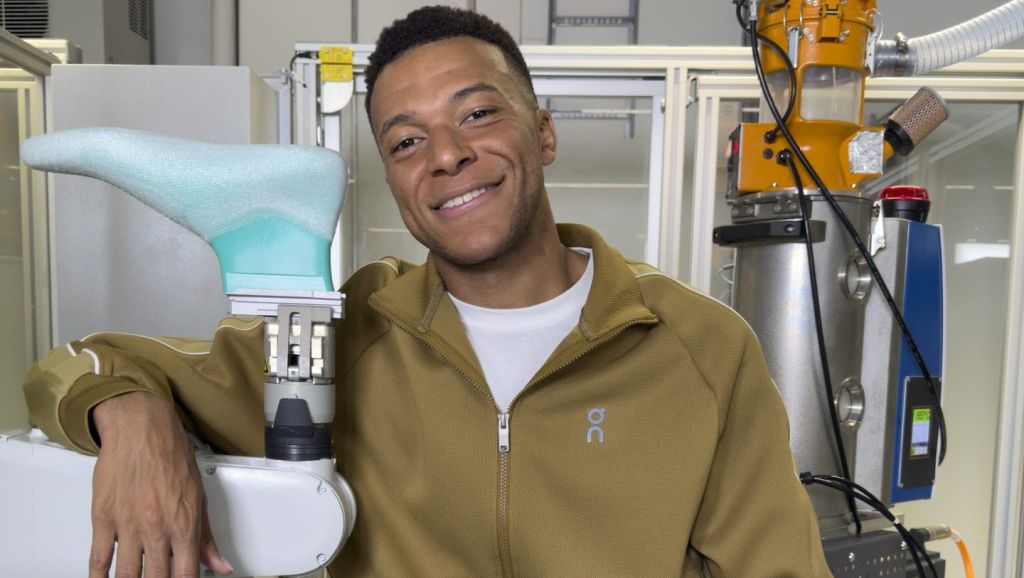
On Friday, On announced that it has signed French superstar Kylian Mbappé, while simultaneously launching its football division. On also revealed that French legend Thierry Henry has been working for the company behind the scenes since late 2025 and will officially serve as its director of football. FC Barcelona midfielder and Swiss star Sydney Schertenleib, who was already an On lifestyle and training ambassador, will also play a pivotal role in its football division, according to the company.
“On is bringing a fresh perspective to football—that the game is more beautiful when you can focus on the simple joy of play, enhanced through product innovation and meaningful connections with communities around the world,” the company said in a release.
Mbappé’s arrival marks the end of his relationship with Nike, which first signed him at the age of 9 in 2006. The Real Madrid forward had been one of the faces of Nike’s soccer division dating back to his starring role in France’s World Cup championship run in 2018, until his contract with the Oregon-based company recently expired.
“Kylian’s journey with Nike began when he was 9 years old,” Nike said in a statement to Front Office Sports. “Over nearly two decades, we’ve shared moments that shaped the game and he has been an important part of Nike Football. We are proud of what we achieved together on and off the pitch. As he moves into the next phase of his career, we wish him continued success for what comes next.”
The loss of Mbappé marks the latest hit for Nike, whose shares are down more than 50% over the last 12 months as the company has struggled to find its footing after losing significant market share. On Monday, Nike will officially be removed from the S&P 100, which tracks 100 of the largest publicly-traded U.S. companies.
Entering the Global Football Market
Meanwhile, the move is a big one for On, which launched in 2010 and has specialized in running, tennis, and lifestyle shoes and apparel until now, with a particular focus on utilizing engineering and technology in developing their products. Prior to signing Mbappé, the company made headlines when Stephen Curry wore its shoes during warmups amid his own sneaker free agency, although the NBA superstar ultimately signed with Chinese sportswear brand Li-Ning.
Analysts at Evercore ISI say making a big investment in the soccer category will be “a positive near-term catalyst for the stock.” Shares of On were up more than 1% in midday trading Friday. They noted a significant difference between the soccer and running categories: soccer is largely dominated by Nike and Adidas, whereas running, where On has made its name, is highly fragmented with many brands holding a piece of the pie.
One area of concern Evercore highlights is margin outlook as On enters a new and highly competitive space that will require major investments. Football includes products like cleats and licensed team fanwear—both of which are relatively low gross-margin categories (leaving the company with a smaller amount of profit per sale), the analysts say. On has raised its gross margin outlooks in the past several quarters (gross margin is a metric that demonstrates a company’s ability to maintain revenue above the cost of goods and services produced). So does this mean the company “has to reset the margin outlook lower?” they wrote.
On’s soccer launch, they added, “will require execution in a much more competitive category. But net/net this is a positive.”
Others aren’t as optimistic.
Jefferies analyst Randal Konik wrote in a note after the announcement that “football is one of the most expensive categories to enter and performance credibility cannot simply be bought. We see parallels to UAA’s Curry partnership: a star athlete who failed to establish the brand as a dominant player in the sport.”
While On has largely been successful as a premium performance running brand, it missed revenue and earnings forecasts in the second quarter as the running category matures and even gets saturated. Jefferies views the company as a “fashion business wearing a performance jersey.” The move into football, Konik wrote, looks like an attempt to open another growth avenue as the running category in the U.S. market slows.