As the PGA Tour implements a new two-series scheduling structure in 2028, its new-look Tour Championship is primed to become one of golf’s most lucrative VIP experiences.
The PGA Tour’s new postseason “will introduce match play and a reimagined Tour Championship that will rotate among prestigious venues,” CEO Brian Rolapp said Tuesday, including courses the tour has never visited before.
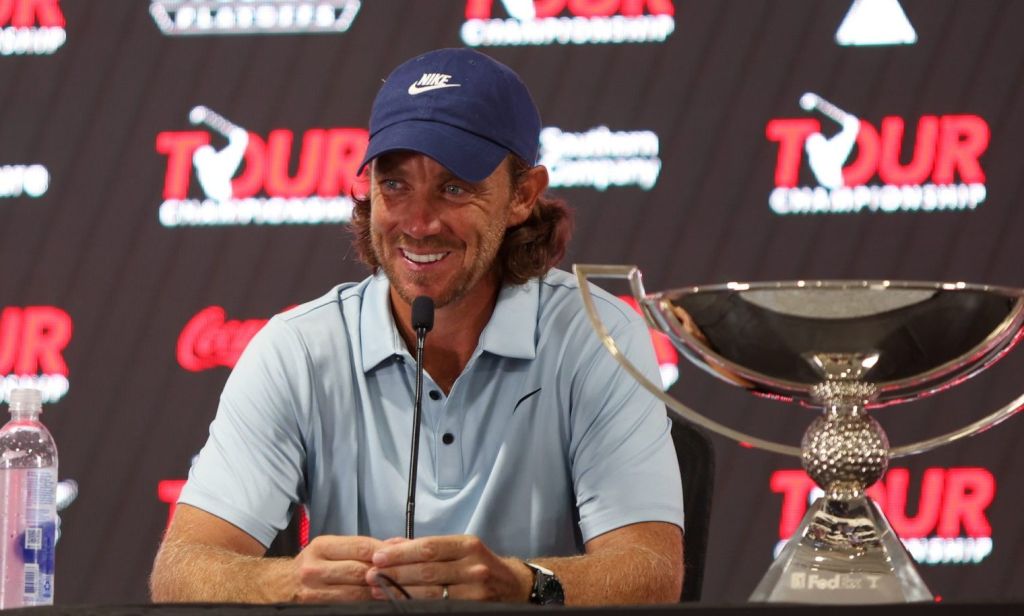
Using a variety of formats over the years, the tour’s season finale has been held at East Lake Golf Club in Atlanta since 2004 and, since 2007, has concluded the FedExCup Playoffs. Last year, champion Tommy Fleetwood won $10 million from the stand stroke-play tournament’s $40 million purse.
While no specific future courses were named, many golf fans’ minds immediately went to highly ranked, ultra-private clubs like Pine Valley (New Jersey), Cypress Point (California), and Seminole (Florida), as well as top-tier public resorts like Bandon Dunes (Oregon) that are in remote locations, making it difficult to support highly attended tournaments.
“Our team’s collective brains are really excited about what we can produce in the new Tour Championship format that Brian talked about,” PGA Tour chief commercial officer Dhruv Prasad told Front Office Sports on Wednesday. “Not just because of the drama that match play will create, but also this opportunity to get onto courses that fans may not have seen on the PGA Tour in the past.”
Details of the match play format are still being discussed, and Rolapp said he hopes to unveil more information in August.
A New Tour Championship Era
Cypress Point was one of the courses the AT&T Pebble Beach Pro-Am was played on from 1947 through 1990, but it hasn’t hosted professional golf since. Pine Valley, Seminole, and Bandon Dunes have never hosted major tour golf.
But all four—and others on some Tour Championship wishlists, like Chicago Golf Club—are in the rotation for the Walker Cup, a biennial Ryder Cup-style, match play competition for amateur golfers from the U.S. and Great Britain and Ireland.
Organized by the USGA and R&A, the Walker Cup has a much smaller footprint at courses, typically with no grandstands or ropes, and fans walking in the fairways, at times just yards away from the competitors. Instead of 30,000 to 40,000 fans per day like at major championships, the Walker Cup typically only has a few thousand at most.
Could the Tour Championship use a similar model?
“The experience on-site could end up being quite different than a typical PGA Tour regular-season event,” Prasad said. “I do think for the type of courses that we’re trying to bring in for the Tour Championship, a different on-site format might make more sense.”
There have been conversations “with courses that meet the criteria and the standard” the PGA Tour envisions, Prasad said, declining to name specific sites. “They’ve been very positive so far. I think there’s a lot of enthusiasm.”
A Different Mindset
Landing at venues that once seemed impossible for the modern-day PGA Tour could bring in just as much, if not more, revenue as typical stops, too.
“If we’re at some of these courses that are worthy of hosting this type of event, that’s going to be the first time fans have an opportunity to see the best professional golfers in the world compete on these tremendously prestigious and worthy courses,” Prasad said. “That’s an experience that I’m not sure is available anywhere else in the golf ecosystem.”
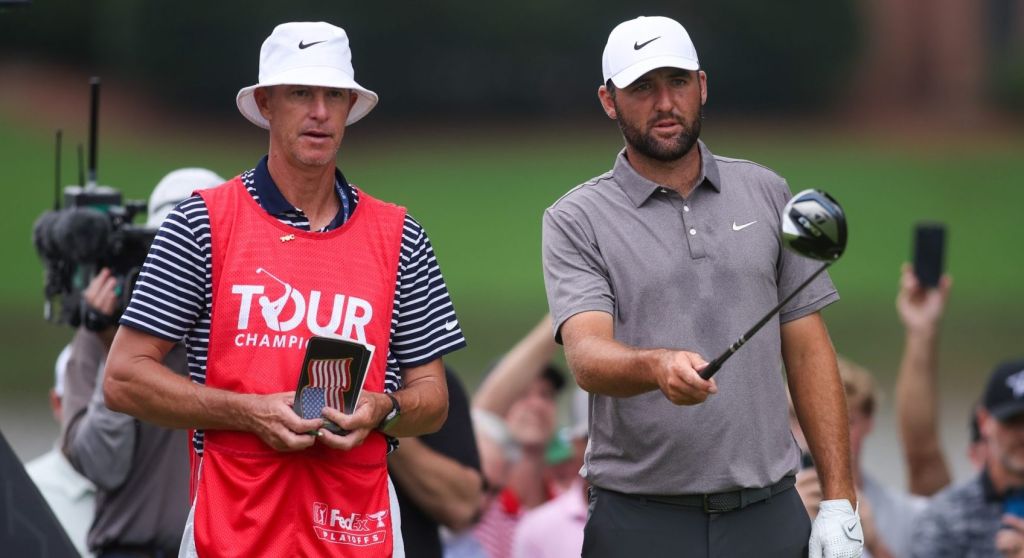
How much would fans be willing to pay to walk alongside Scottie Scheffler and Rory McIlroy, dueling for a PGA Tour title at an iconic location? Could the PGA Tour start a ticket lottery like the Masters? How much cash would corporate sponsors fork over to be able to offer that exclusive experience to clients?
“When we’ve talked to partners about what this could be, the level of enthusiasm is off the charts,” Prasad said.
And while some esteemed golf courses won’t allow for high attendance, TV ratings could spike dramatically over the current Tour Championship—last year’s final round averaged 4.49 million viewers on NBC.
“If we do our jobs right, this Tour Championship will generate significantly more media attention, buzz, and ultimately viewership than the current playoff format that we have today,” Prasad said. “So, I think the value of participating in and supporting the Tour Championship in its new look will be even greater than the value that partners are getting today.”