Want more from Front Office Sports
in your search results?
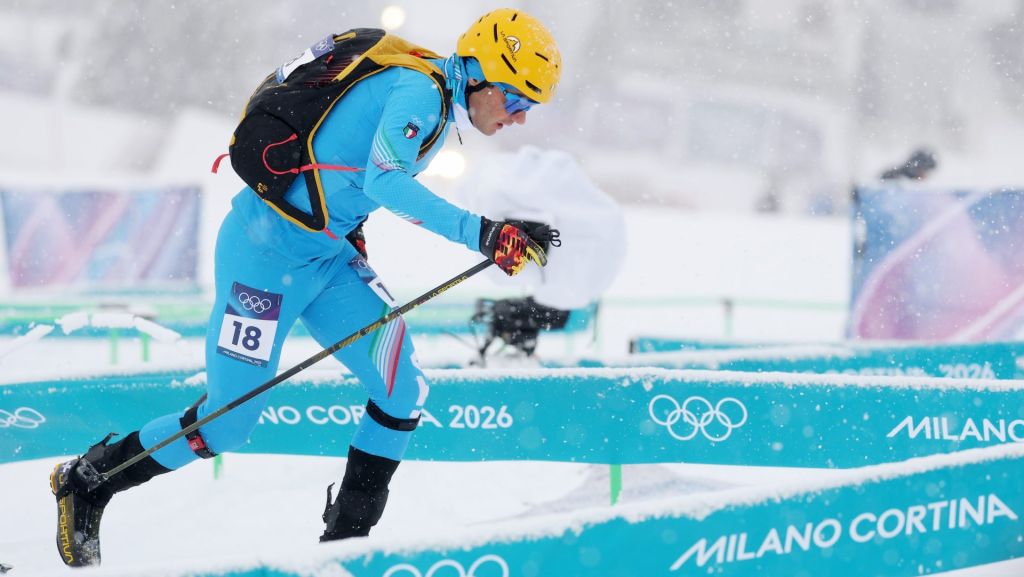
The International Olympic Committee will offer every eligible Olympian a $10,000 grant for the first time, beginning with athletes who competed at the Milano Cortina 2026 Winter Games, the organization announced Wednesday.
The IOC is setting aside $140 million for each four-year Olympic cycle for the “Fit for the Future Olympian Grant,” which is intended to support athletes during their careers or as they transition away from professional competition. About 14,000 athletes are expected to qualify during each cycle.
In a press conference Wednesday, IOC president Kirsty Coventry said that the $140 million will come from the IOC as well as the Olympic foundation and will not reduce funding distributed to national Olympic committees or international federations. The organization operates on four-year Olympic cycles and made $7.7 billion in commercial revenue from 2021–24, according to its own financial statements.
Applications for athletes who competed in the Milano Cortina games are expected to open at the end of this year, with the first payments scheduled for 2027. The grants will be distributed through national Olympic committees around the world.
“This grant will be available to every Olympian. Not just medal winners. Not just athletes from certain countries. Every Olympian,” said IOC Athletes’ Commission chair Pau Gasol.
Athletes will receive $10,000 for each of the Olympics that they compete in.
Youth Olympic Games participants will not be eligible, and Olympians who have committed an anti-doping violation or violated IOC ethics rules, participation conditions, or the Olympic Charter will also be excluded.
The IOC does not pay athletes prize money, and Coventry said in a May interview that she doesn’t “believe in paying athletes.” Various countries and international federations have introduced financial incentives at the Olympics in recent years.
The grant is one of the first initiatives introduced under the IOC’s “Fit for the Future” plan. Coventry said athlete grants had been discussed for years and that she was “extremely proud” the organization could now introduce them.
Download the FOS App
The business of sports, in your pocket.



Scan the QR code to get the app now.