Want more from Front Office Sports
in your search results?
The unpaid vendors of Grand Slam Track are enraged at the league’s plan for getting out of bankruptcy, which would nearly make athletes whole while repaying most vendors only about 1.5% of what they are owed.
The committee of unsecured creditors said in a court filing on Thursday that Grand Slam has shown “shocking levels of incompetence, bad faith, self-dealing and failures to fulfill its fiduciary duty,” while its proposed plan “violates the fundamental bedrock tenet of the Bankruptcy Code.” The embattled track league owes vendors around $13 million, but proposed in a bankruptcy filing last month to only pay most of them back $200,000 as a group.
Dozens of vendors, from media to lighting companies, are owed the money. This filing came from a committee made up of three vendors: the league’s former public relations firm SRK Strategies, broadcast company Momentum-CHP Partnership, and graphics company Girraphic Park. Bankruptcy filings show the three companies are owed about $248,000, $3 million, and $690,000, respectively.
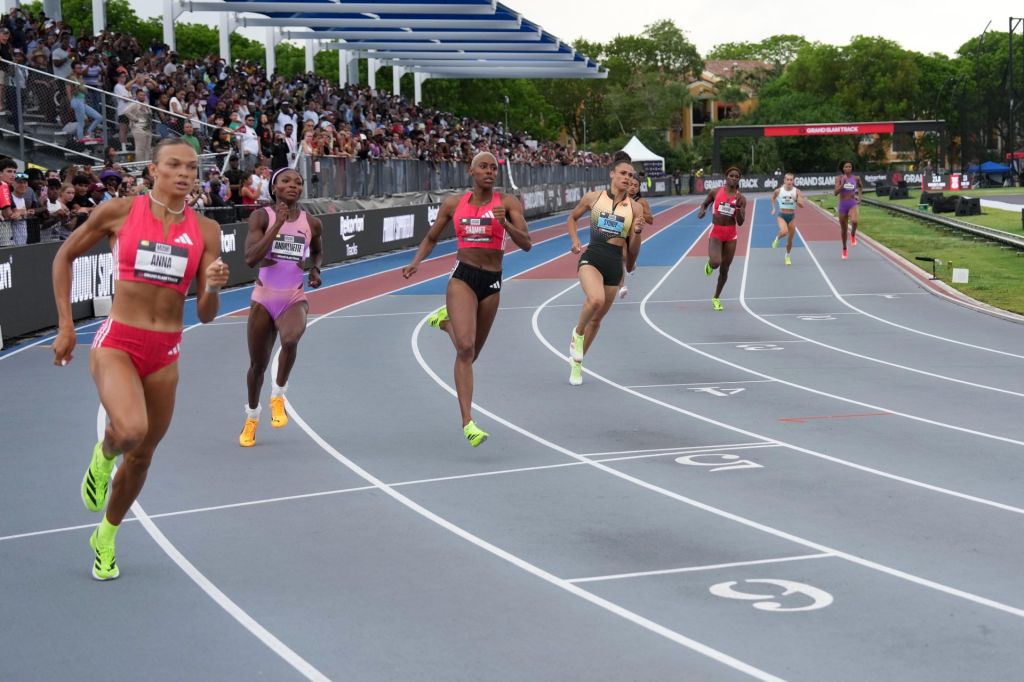
Grand Slam promised to award athletes some of the biggest payouts in the sport; the league announced a $12.6 million prize pool, and signed athletes to contracts that paid handsome appearance fees. But Grand Slam did not have the money to pay its athletes or vendors after Todd Boehly’s Eldridge reneged on a signed term sheet, and the league failed to bring on other major investors as it charged ahead with three track events last spring. After making less than $2 million in revenue in 2025, the league’s debts have ballooned to more than $40 million, according to bankruptcy filings.
The crux of the vendors’ argument is that it is unlawful to prioritize certain creditors over others in this type of bankruptcy case. The league said athletes should get priority because they are essential for any future business operations. But the vendors are skeptical that Grand Slam will have any more events and wrote that the league is “attempting to preserve their reputations among athletes at the expense of all other creditors.”
Athletes have already been paid back half of what they are owed, and Grand Slam proposed in its Chapter 11 Combined Plan & Disclosure Statement last month paying them an additional $6 million, leaving most of the vendors to share $200,000.
“A blanket payment to all athletes, without distinguishing which athletes are needed for the business, and without having any assurance that the athletes receiving payments will support the Debtor’s future business operations, has no basis for approval whether in the context of a critical vendor motion or a plan,” the creditors’ filing says.
A major player in this story is Winners Alliance. The commercial arm of the Professional Tennis Players Association led Grand Slam’s initial funding round in 2024. As the league’s financial situation worsened, Winners Alliance organized more money for Grand Slam, and was approved by the court to fund Grand Slam through the bankruptcy process. Hedge fund billionaire Bill Ackman chairs Winners Alliance, which is also owed millions by Grand Slam. A representative for Ackman did not immediately respond to a request for comment.
The creditors in their Thursday filing blame Winners Alliance for many of Grand Slam’s issues. “Winners, while cloaking itself as a white knight savior of the Debtor, is actually
one of, if not the, primary reason the Debtor has failed,” the filing says.
The filing claims that Winners Alliance “orchestrated” Grand Slam’s “every step” since before the league began. The document also says the league’s plan to get out of bankruptcy “contains a coercive death trap provision if either class of creditors does not approve” it. “The Committee anticipates actively litigating significant and valuable claims against Winners, the Debtor’s Board, including its former directors, and Mr. Johnson,” the filing says.
Winners Alliance issued a lengthy statement on Thursday night in response to the filing, in which it called the creditors’ claims “baseless” and “a desperate effort to extort money from Winners Alliance.”
“The public record makes clear that Winners Alliance invested more capital, assumed more risk, and ultimately suffered greater financial losses than anyone,” the group said.
Winners Alliance insisted that the league was forced into bankruptcy in December after some creditors denied a settlement offer this fall, tried to recover more money than the athletes, and made a legal threat. The group said it will respond to the creditors in a filing of their own, and would consider suing anyone pushing false and defamatory statements outside of court filings.
“The Committee’s claim that Winners Alliance exercised ‘dominance and control’ over GST is simply false,” reads the statement. “At all times, Winners Alliance was a minority shareholder in GST and held a minority of the company’s board seats. GST’s corporate governance documents, which the Committee has had access to, make this unambiguously clear. Winners Alliance did not control GST’s board, did not direct GST’s operational decisions, and did not instruct GST on whether, when, or how to stage events. To claim otherwise is an invention with no basis in the record.”
A spokesperson for Grand Slam did not immediately respond to a request for comment.
It’s common in bankruptcy for creditors and the bankrupt company to go back and forth negotiating a plan, and all classes of creditors don’t have to be on board for a plan to get approval from a judge. But the creditors committee is calling for the court to deny the proposal unless the league amends it to “provide fair value to all creditors.”
“Any undue cost and delay in moving this case forward will significantly diminish the little value that is left for unsecured creditors,” the filing reads. “The stark reality is that the Debtor’s estate cannot afford to complete the solicitation process twice.”
The creditors are referring to the fact that just going through bankruptcy is expensive. Despite having no events since June, Grand Slam Track spent over a half-million dollars in January alone, with more than $400,000 going to lawyers.
Download the FOS App
The business of sports, in your pocket.



Scan the QR code to get the app now.