Want more from Front Office Sports
in your search results?
The Browns formally broke ground on their new $2.6 billion stadium, but the final funding for the project is still unclear—as is the future run of events there.
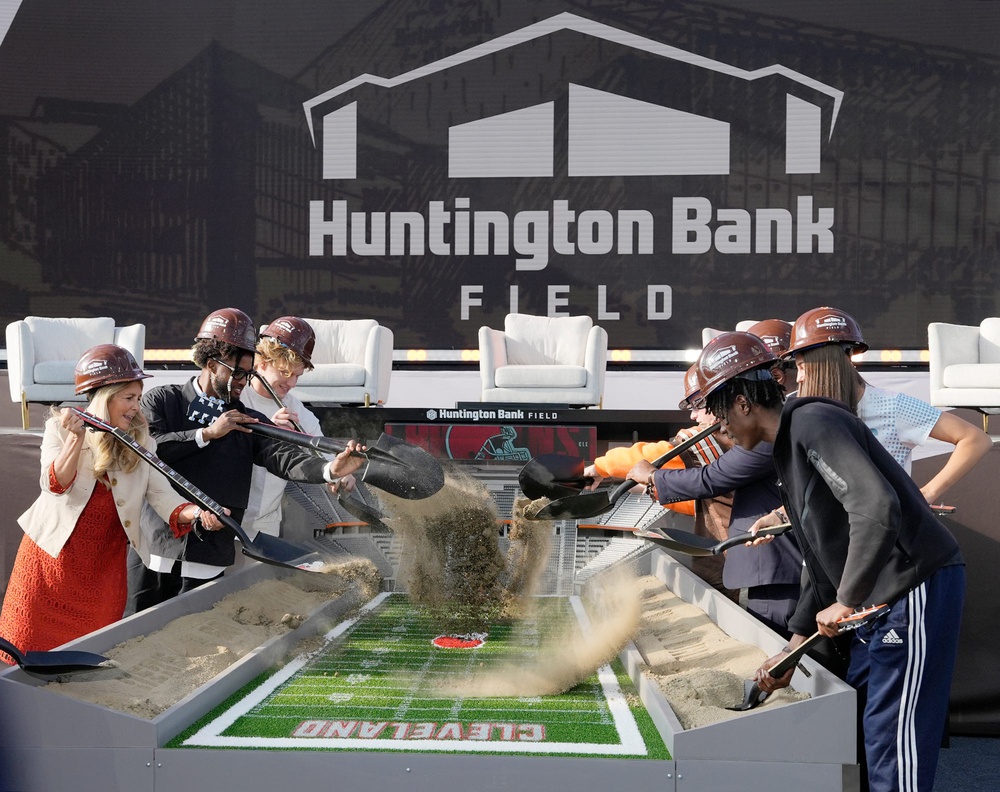
As planned, the NFL team held a formal ceremony Thursday afternoon to commemorate the beginning of construction of the domed facility planned in suburban Brook Park, Ohio. The stadium is set to open in 2029, and the groundbreaking event happened after more than two years of many twists and turns in the team’s pursuit of a new venue.
“It was a bumpy road to get here, but we’re excited we’re here,” Browns owner Jimmy Haslam said. “I think everybody is finally beginning to sense that this is reality.”
Key parts of the financing plan for the stadium, however, are up in the air. A $600 million state contribution from Ohio’s unclaimed funds, originally approved last year, is now being legally challenged. A Franklin County, Ohio, judge placed a preliminary injunction on the use of those funds in March, elevating it from a prior temporary restraining order.
A group of plaintiffs sued the state last year, arguing that using the money this way is unconstitutional at both the state and federal levels. The legal case is ongoing, and if Ohio loses, Haslam Sports Group could be forced to shoulder additional stadium expenses.
“This is clearly going to go on for a while, and so I’m not happy about that,” Ohio Gov. Mike DeWine said about the court case. “There’s nothing we can do about that, but we’re going to go ahead. I think that we’re going to win this case in court. It’s slow, certainly, and we’re waiting, but I think eventually we’ll win.”
Brook Park, meanwhile, plans to supply $245 million, but that portion is still going through its own legislative approval process.
The Browns said in late March that it would fund at least 67.5% of the stadium, up from an original contemplation of 50%, and that percentage could rise even more. A planned mixed-use development that will surround the new Huntington Bank Field will cost another $1 billion, all of which will be funded privately.
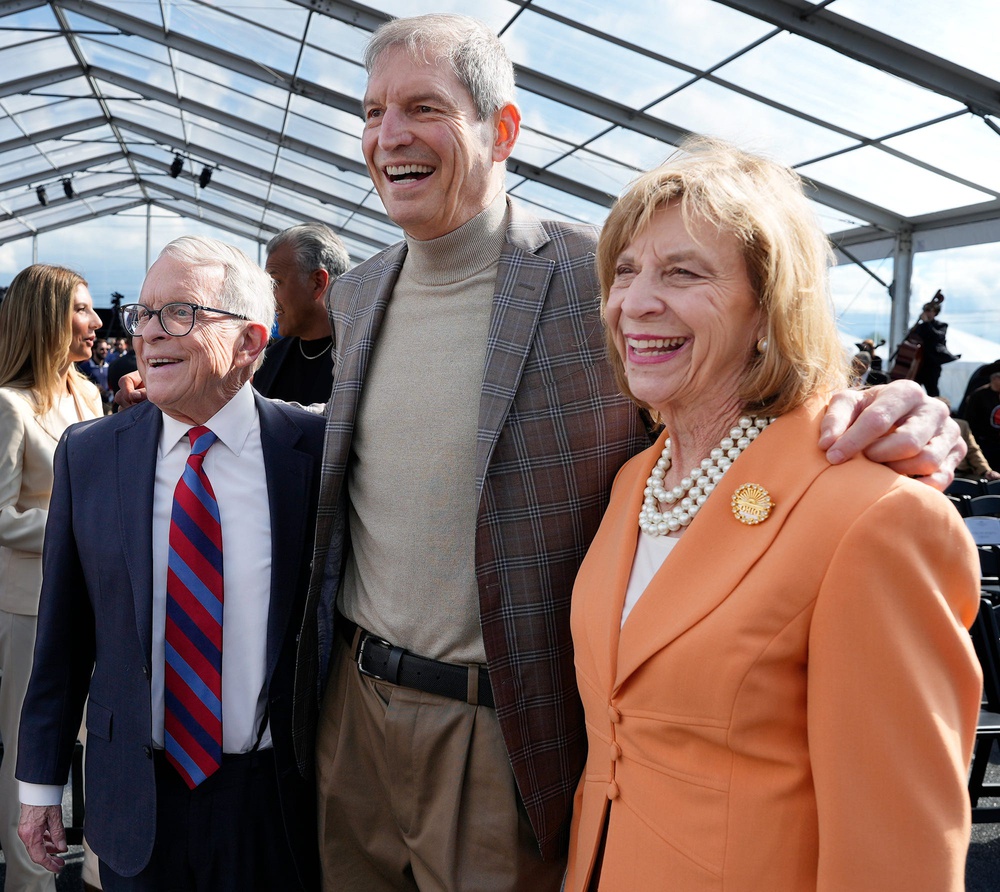
Haslam also acknowledged the stadium project is happening amid just one Browns playoff appearance since 2021, and only eight total wins over the past two seasons.
“Our fans deserve better than what we have given them over the last few years,” he said.
Super Bowl Stadium, but No Super Bowl?
The Browns are part of a wave of new domed facilities being built or planned across the NFL—one that also includes other markets such as Tennessee, Kansas City, Chicago, and Washington, D.C.
Part of the contemplation in many of those projects is using the indoor setting to pursue hosting rights for major sports events such as the Super Bowl, College Football Playoff, and Final Four. That approach also applies to Cleveland, but NFL commissioner Roger Goodell pumped the brakes somewhat on the prospect of the Super Bowl coming to Northeast Ohio.
“I have no doubt that this stadium is going to be Super Bowl quality. Zero doubt about that,” said Goodell, who attended the groundbreaking. “I think the challenge now for this community—and hopefully this stadium and this development is going to be transformative—is how do the rest of the facilities in the community develop? … Airports. Hotels. We have hotel-room needs [for the Super Bowl] of close to 50,000, if not 60,000.”
The Cleveland area is estimated to have about 22,000 hotel rooms, leaving it well short of that Super Bowl standard. The commissioner, however, said Cleveland is a lock to get hosting rights for another NFL Draft, which just set an attendance record in nearby Pittsburgh. Cleveland last had the draft in 2021, still during the COVID-19 pandemic, which blunted the full impact of the event.
“Jimmy and I have talked about it a lot; we’ve talked about it with our committees, and we look forward to coming back here with the draft soon for sure. I think it’s important,” he said.
Download the FOS App
The business of sports, in your pocket.



Scan the QR code to get the app now.