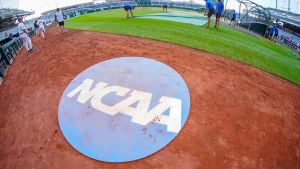
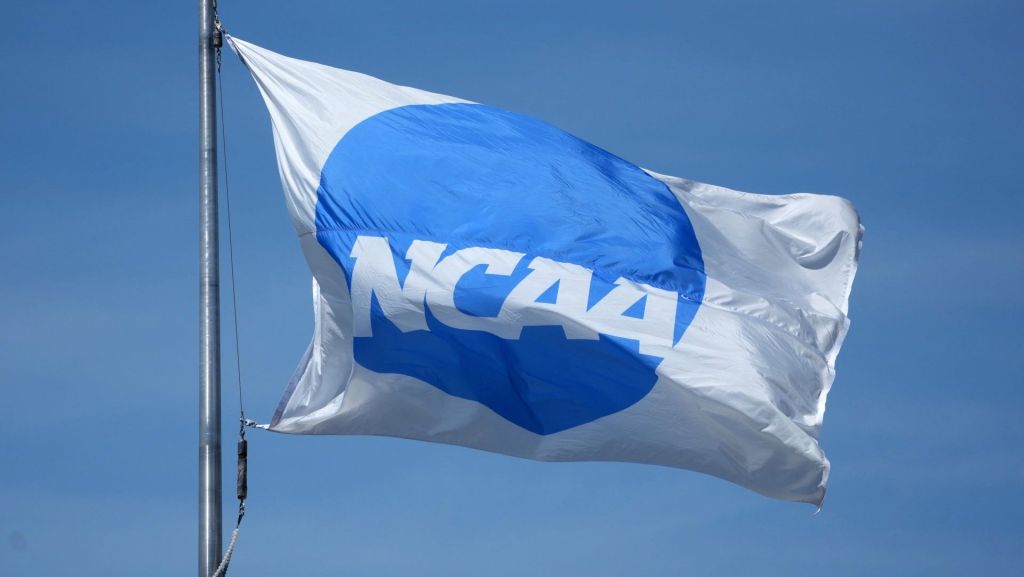
The NCAA will continue to investigate allegations of “tampering”— when schools try to lure players to new teams before they hit the transfer portal.
This week, NCAA VP of enforcement Jon Duncan sent a letter to schools reiterating the governing body’s commitment to investigating claims of tampering and doling out severe punishments. The governing body transferred enforcement of NIL rules violations to the College Sports Commission in the wake of the House v. NCAA settlement, but it is continuing to oversee several major college sports rules enforcement including tampering investigations.
“This is not a new rule, despite changes now permitting student-athletes to obtain representation by professional service providers,” Duncan wrote in the memo, a copy of which was obtained by Front Office Sports. “Simply put, communicating with an agent for a student-athlete who is not in the Transfer Portal is a tampering violation.”
In the era of “unrestricted free agency” created by the ability for players to transfer as many times as they want—and earn name, image, and likeness deals and revenue-sharing money when they do—there are more pathways to tamper with players than ever before.
If a school hasn’t had a conversation with a player before they hit the transfer portal, it’s often considered too late. Schools may reach out to players they may have an interest in poaching before knowing whether that player intends to enter the portal. Conversely, players and their agents are incentivized to alert potential new schools that they’re considering the portal to ensure they’ll have good offers when they do, a phenomenon previously reported by FOS. In many cases, players and their representatives speak with GMs, who are sometimes—but not always—officially considered members of the coaching staff.
Coaches have gotten increasingly vocal about the growing phenomenon. In January, Clemson coach Dabo Swinney publicly accused Ole Miss head coach Pete Golding of tampering when Golding personally attempted to get linebacker Luke Ferrelli to enter the portal after signing a contract to stay at Clemson. He called the ordeal, which ended with Ferrelli flipping his commitment to Ole Miss, “a whole other level of tampering.” Clemson has filed a formal grievance with the NCAA.
In his letter, Duncan spelled out what the governing body considers tampering in this new era.
“Communications of any kind are not permitted with a student-athlete at another school—or any other representatives of their interests, including agents—before the student-athlete enters the NCAA Transfer Portal,” Duncan wrote. “If a coach is contacted by an agent of a student-athlete who is not in the Transfer Portal, any further continuation of that discussion is considered a rules violation. That includes a coach or a booster expressing interest in or suggesting the possibility of a roster spot opening for a student-athlete should the individual enter the transfer portal.”
The NCAA has been directed to “charge tampering violations and pursue significant penalties when appropriate, and publicize the number of resolved cases more broadly,” Duncan said. The NCAA has not yet outlined specific punishments for tampering. But in the past, they could include forcing schools to vacate wins and championships.
Duncan also said the NCAA would “work to speed up the infractions process within the existing rules” in multiple areas. At the same time, the governing body has assembled an “infractions modernization task force” to propose permanent changes to rules and procedures that could make the process more efficient. Duncan reiterated, however, that schools have their own role to play in ensuring these rules are enforced—including participating in investigations and engaging in the process for negotiated resolutions.
When Swinney made his public accusations against Ole Miss, he said: “We have a broken system, and if there are no consequences for tampering, then we have no rules and we have no governance.” The NCAA has now recommitted to fixing that.