Want more from Front Office Sports
in your search results?
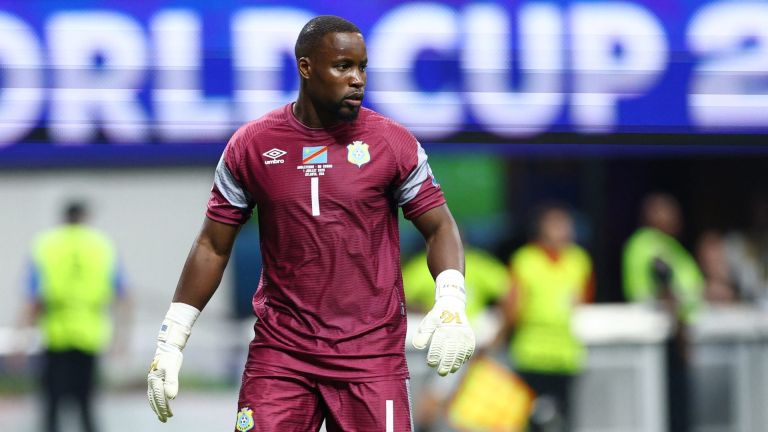
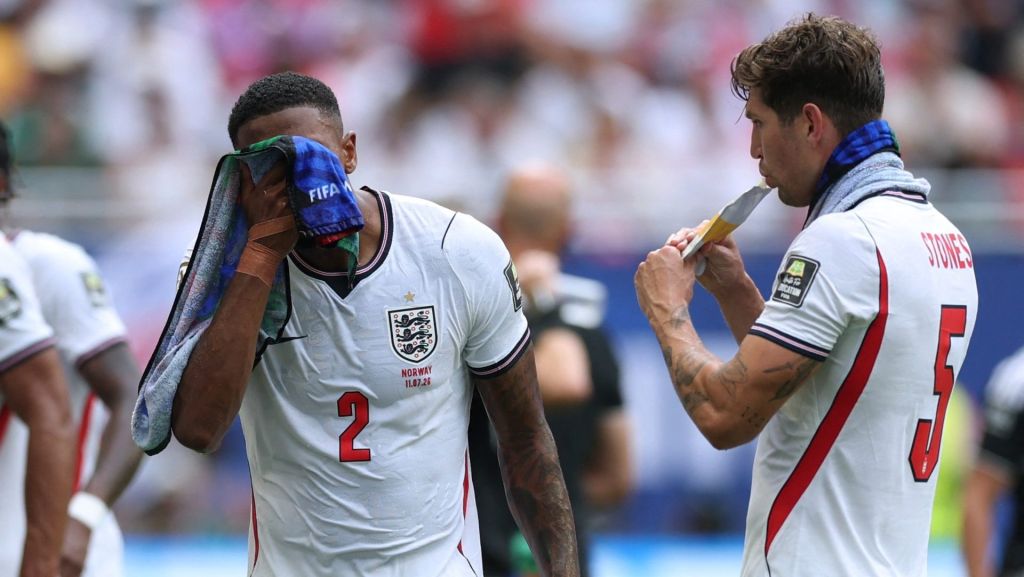
Extreme heat has changed the way this year’s World Cup is played. For the first time, referees have stopped every match for mandatory three-minute hydration breaks around the 22nd and 67th minutes.
FIFA introduced the policy as a supposed player-welfare measure amid concerns about competing through North American heat. But the breaks have also given coaches a new kind of tactical timeout and broadcasters a commercial window in a sport traditionally built around continuous play.
The breaks are now expected to become a significant topic in future soccer media-rights negotiations, ESPN has reported, and Fox banked hundreds of millions in revenue from hydration-break advertising alone.
FIFA’s new policy has drawn criticism from players and coaches, particularly during matches played in cool or climate-controlled conditions. “If it’s really hot, obviously it would be good to put them in,” said Netherlands captain Virgil van Dijk. “But I think you have to look at it in every game, separately.”
Though hydration breaks have been implemented in air conditioning and temperate conditions, some U.S. World Cup games have been genuinely brutal. A Guardian analysis estimated that nine group-stage matches were played in conditions that met FIFPRO’s threshold for delaying or postponing play. The global players’ union recommends cooling breaks when the ambient temperature exceeds 86 degrees and delaying or postponing matches above 97 degrees. Temperatures at the France-Paraguay game hovered around 100 degrees in Philadelphia, and the England-Norway quarterfinal game had temperatures of 92 degrees and higher in Miami.
The effects of heat may extend beyond physical exhaustion on the field.
“Hydration breaks aren’t just about physical recovery,” Ramses Alcaide, a University of Michigan neuroscientist and CEO of neurotechnology company Neurable, told Front Office Sports. “It’s also about brain recovery.”
The brain accounts for roughly 2% of the body’s weight but produces about 20% of its heat at rest, Alcaide said. During a match, players are running, tracking opponents, processing space, and making tactical decisions in fractions of a second.
As players become overheated or dehydrated, the first signs may not be cramping or dizziness but a player’s cognitive ability. A late pass, an unmarked opponent, or a hesitation to take a shot on goal could all be signs of heat exhaustion in the brain.
“Anything that is cognitive, even vision, gets affected,” Alcaide said. “You see drops in focus; cognitive load increases dramatically. Executive function goes down, which means decision-making gets way worse.”
The point at which that decline begins depends on the player themselves, as well as their hydration level and the environment in the stadium. Alcaide cautioned that runners and other endurance athletes have been studied more extensively than soccer players specifically.
Still, he said heat-related cognitive vulnerability can begin “as early as 30 minutes to an hour.” The World Cup’s breaks allow players to hydrate, cool down, and reset mentally before play resumes.
“We’re giving people a break that’s going to make the game better because they’re going to essentially be better mentally,” Alcaide said. “And if we run ads during that time, then guess what? It makes sponsors happy, too.”
Some teams in this year’s World Cup have competed in vastly different conditions.
France and Spain entered Tuesday’s semifinal after taking markedly different paths. France spent much of its run competing in outdoor stadiums in extreme heat, while Spain had played five of its six matches inside climate-controlled or covered stadiums.
England and Argentina played the tournament’s second semifinal match Wednesday at Atlanta Stadium, where temperature control shields players from the outside heat.
For Alcaide, the challenge is in protecting players without fundamentally changing the sport.
“I don’t want to watch soccer indoors,” Alcaide said. “There’s a beautiful thing about being on the grass.”
Download the FOS App
The business of sports, in your pocket.



Scan the QR code to get the app now.