Want more from Front Office Sports
in your search results?
XX-XY Athletics—a two-year-old apparel brand founded by former elite gymnast Jennifer Sey with a mission to “protect women’s sports”—is at the center of another WNBA controversy.
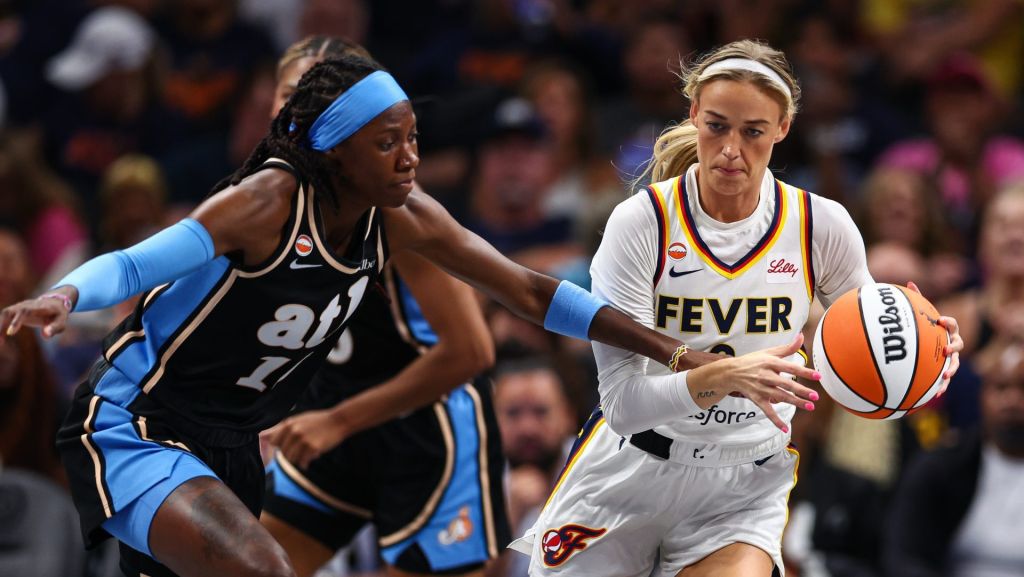
Two fans attending Sunday night’s Atlanta Dream–Indiana Fever game were reportedly told they would need to cover their XX-XY shirts with Atlanta Dream shirts or they would be escorted from the arena.
A WNBA spokesperson confirmed the incident in a statement to Front Office Sports, saying, “The WNBA is aware of interactions at last night’s game in Atlanta in which fans were asked by league security to cover their shirts. This should not have happened.”
When reached for comment, the Dream first pointed to the league’s statement, later adding: “The Atlanta Dream believes in creating a safe and inclusive environment for everyone. Unfortunately, at last night’s game, WNBA security took actions that fell short of that standard. At no point were Dream personnel involved in the decisions made by WNBA security.”
Another source familiar with the situation said there were multiple interactions between security personnel and fans regarding apparel at State Farm Arena on Sunday, including with fans wearing messages representing different viewpoints on trans women competing in women’s sports.
XX-XY founder Sey, meanwhile, told FOS in an emailed statement that as “the story of the groundswell of support for the protection of women’s sports” gets bigger “the more the WNBA, the stadiums and the teams try to censor” it.
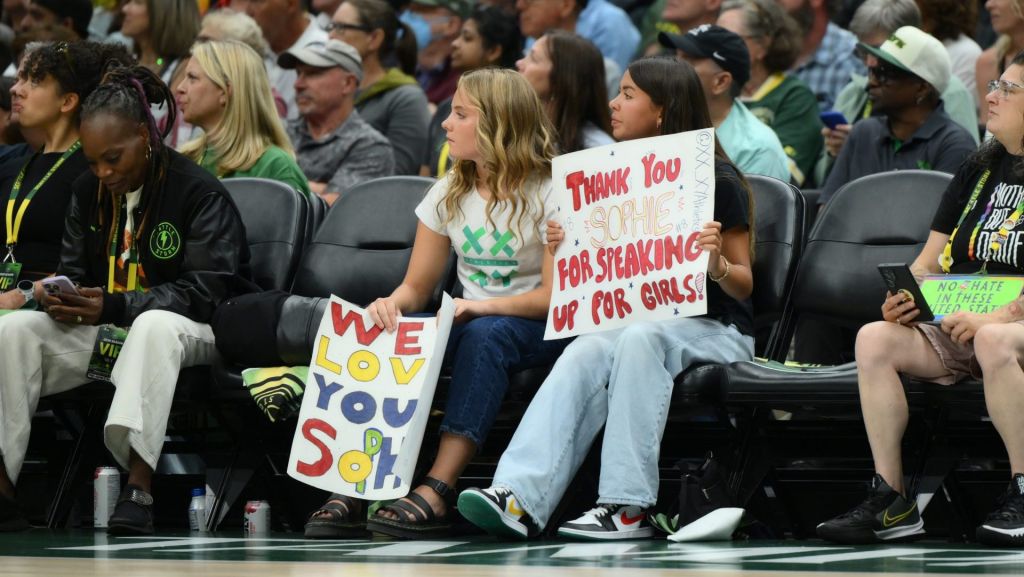
XX-XY shirts have become something of a wardrobe staple for crowds that have gathered outside and in the stands of Fever road games to support Sophie Cunningham, who in a July ESPN profile said she wanted to “protect … young girls in sport who shouldn’t have to go against biological men.” Two young fans who were involved in an altercation with a Seattle Storm co-owner at a Fever-Storm game on July 28 also wore the shirts.
Last week, a spokesperson for XX-XY, which only retails online, told FOS its business had increased sixfold over the prior two weeks amid the Cunningham controversy. Approximately 85% of purchases in that period have come from first-time customers, many of whom were male, they said.
Cunningham’s comments continue to draw backlash, with critics describing her language as anti-trans and derogatory.
Fan-involved incidents have become more common across the WNBA. In addition to the situation on July 28, a Portland Fire season-ticket holder told The Oregonian they were spat on and subjected to homophobic and transphobic slurs—including “there’s too many lesbians around” and “set trans on fire”—during a July 31 Fire-Fever game at the Moda Center.
In 2025, the league also dealt with a weeks-long string of incidents in which dildos were thrown onto WNBA courts, prompting investigations and arrests.
Download the FOS App
The business of sports, in your pocket.



Scan the QR code to get the app now.