Want more from Front Office Sports
in your search results?
NEW YORK — There will be no prize money protests from the players at the 2026 US Open after the tournament announced record-setting player compensation alongside a new player support program and new Grand Slam Player Advisory Council. But that doesn’t mean all issues are solved.
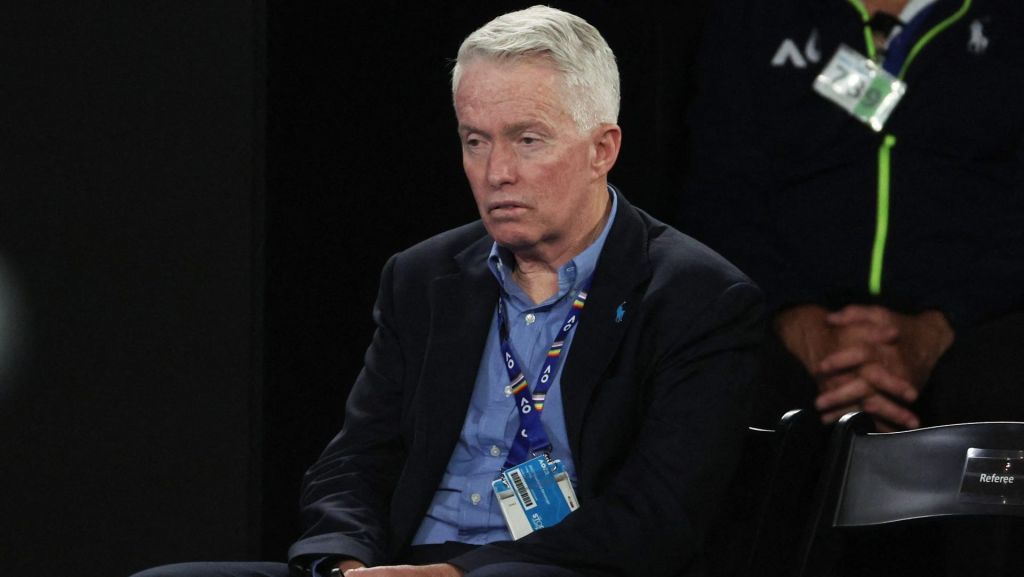
Speaking at a press conference Saturday at the US Open, USTA CEO Craig Tiley, who officially took over last month, said the tournament does not use revenue as a form of measuring the players’ prize money.
“We don’t use that number as a form of calculating how we compensate, because it can be fairly arbitrary from one event to another,” Tiley said. “I believe the tours use profit, so we look at it very differently. We say, what’s a fair share that the players need to be compensated on, and what can we do, because even outside of just the compensation package, what other things can we do to help support the players, not just during the event but also year-round.”
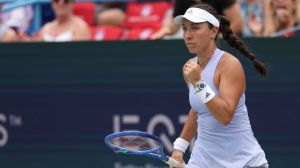
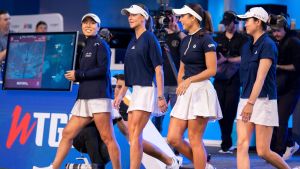
Tiley’s comments come one day after world No. 3 Jessica Pegula, a member of the WTA Players’ Council and one of the more outspoken voices for player compensation on both tours, told Front Office Sports that revenue share will be a key topic of discussion of the new Grand Slam Player Advisory Council.
“That’s something we’re still pushing for, and so I think hopefully with this council, that we’ll be able to continue those discussions because I know from our side, we still do believe that a revenue share is the best way, and now we’ll just have much more open communication,” Pegula said.
There is currently no structure in place that gives players a fixed share of revenue from the Grand Slams. Tournament organizers generally allocate about 15% of revenue to players, but the players are aiming to get to 22% by 2030.
Tiley, known for elevating the Australian Open as the CEO of Tennis Australia, reiterated that he is a “player-focused” leader and that he will continue to push for an improved package at the US Open.
“You will see the US Open continue to be a very player-friendly event. I think our desire to increase the amount that we put on the table was driven really within the organization, the sense that we need to give the players a fair share,” Tiley said. Pegula commended the USTA on Friday for taking the lead in discussions with players, particularly in creating the new council.
There is still little known about the council, Pegula said, with a USTA spokesperson telling FOS that more plans are expected to be laid out in the weeks after the tournament. But Tiley said Saturday that around 10 players have already come forward to express their interest in joining the council.
“We think, again, the voice of the players, we believe, is important,” Tiley said. “Many of us have been spending a lot of time and energy individually talking to the players. Not just the last week—it’s been going on for years. The Slams having a close player relationship is critical to the success of the Slams and the success of the relationship that we have with the fans, as well.”
Ticket Prices
Tiley was also asked about the tournament’s rising ticket prices, which have led to significant complaints from fans. As of Saturday, the day before the main draw, the average US Open get-in price for the next two weeks is $289 on the secondary, up 14% from this point last year, per TicketData.
Tiley made sure to mention that entrance is free during fan week, and for eight of the 22 total days of the tournament. But he admitted that the resale market is one of the tournament’s “biggest challenges” in tempering ticket prices.
“$65 for a grounds pass gets moved pretty quickly when it goes to market and at some years we’ll keep looking at, because one thing that’s critically important to us as an event is we want kids to be able to experience,” Tiley said.
Download the FOS App
The business of sports, in your pocket.



Scan the QR code to get the app now.