Want more from Front Office Sports
in your search results?
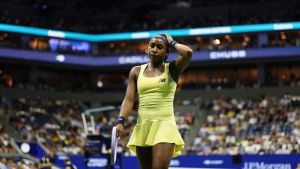
NEW YORK — The tennis Grand Slams took a major step in working with its players last week, announcing they will create a Grand Slam Advisory Council and add a player support program alongside record prize money at the US Open.
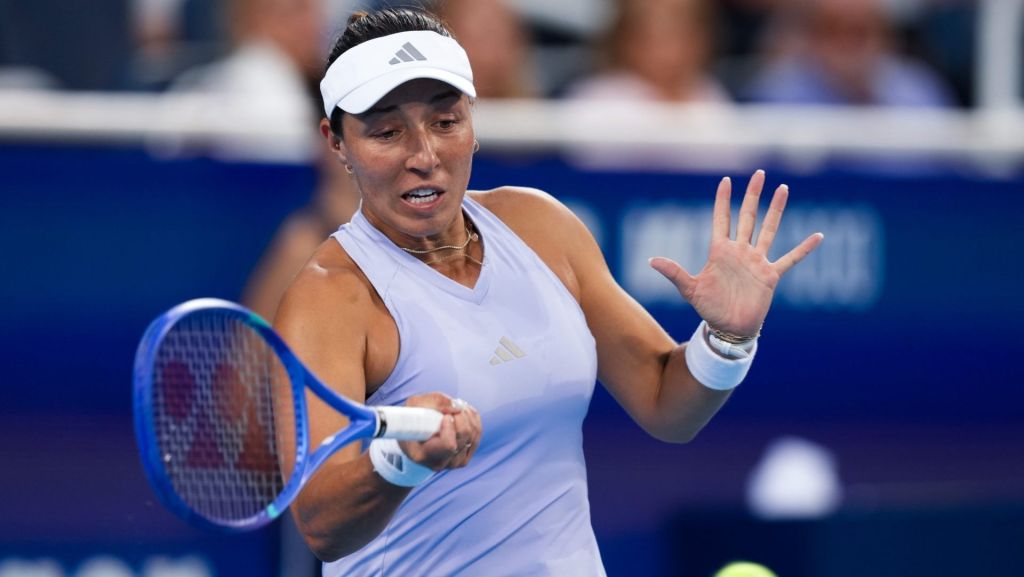
There is still, however, little that is set in stone about the council, including the players who will be a part of it, women’s No. 3 Jessica Pegula told Front Office Sports on Friday at the US Open.
“We haven’t really gotten into the nitty gritty of how people will be selected for the council,” said Pegula, who is also part of the WTA Players’ Council. She added that there are “some top players and other players who are very interested.”
A spokesperson for the USTA told Front Office Sports that the idea was for the council to be announced ahead of the tournament, but that the finer details will be ironed out in the weeks following the year’s final Grand Slam.
Asked by FOS about the USTA’s announcements, world No. 1 Aryna Sabalenka, who has suggested the possibility of boycotting a tournament, said during her press conference Friday that she was “super happy” about the announcements.
“Hopefully we’re not going to boycott media or tournament or anything in the future,” Sabalenka said.
Pegula told FOS the main point of contention will continue to be players’ revenue share at the Grand Slams, which has consistently been at around 15%, including at Roland–Garros in May, when top players staged a coordinated media protest. There is no fixed revenue share at Grand Slams, and players are seeking 22% of revenue by 2030.
Total player compensation at the 2026 US Open is $108 million, about 19.3% of the tournament’s operating revenue in 2024, the last publicly available number.
“That’s something we’re still pushing for, and so I think hopefully with this council, that we’ll be able to continue those discussions because I know from our side, we still do believe that a revenue share is the best way, and now we’ll just have much more open communication,” Pegula said.
Pegula said that there was no direct line of communication between players and Grand Slam organizers in the past, saying the way players would air their opinions was “very random” and that they would sometimes not even hear back.
She cited the Grand Slam’s decision to institute 10-point tiebreaks for deciding sets, which start in 2022, as one example.
“We, mostly, said no, and then they did it anyway,” Pegula said. “And we were like, ‘Well, what’s the point of even asking us?’”
Pegula also commended the USTA for taking the lead among the Grand Slams in creating the council.
“There is still of course more work to do and there’s going to be a lot of things that come up, but I am definitely appreciative of, especially the US Open, to kind of step forward with making those announcements and wanting to do that,” Pegula said during her press conference Friday.
Download the FOS App
The business of sports, in your pocket.



Scan the QR code to get the app now.