Emails Reveal Powerful Network Behind Protect College Sports Act
Want more from Front Office Sports
in your search results?
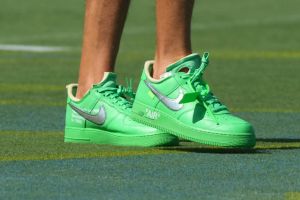
A few years ago, sneakerheads—both seasoned and green—were printing money. Teenagers were opening stores at vacated malls, while longtime collectors were treating Foot Locker like a wholesaler.
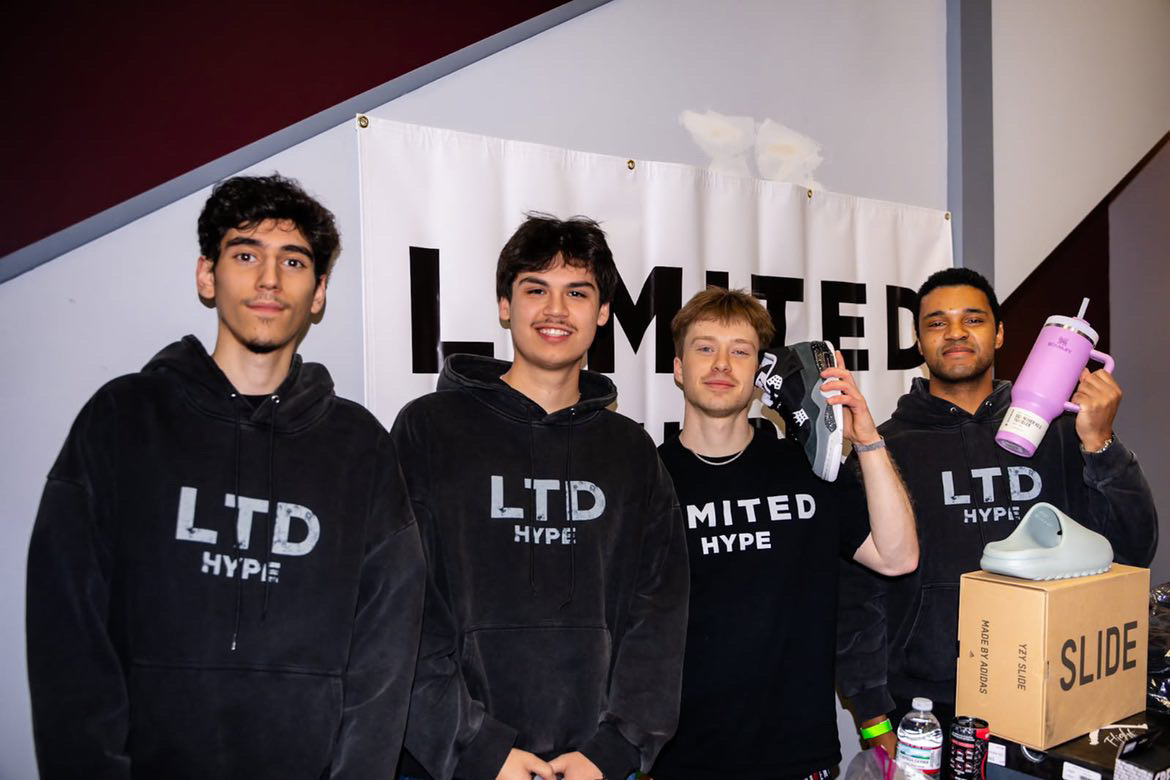
“I’d buy Dunks for $150. They’d sell in consignment stores for $300 to $400 a pop, easily,” Mohammad Alhamdan, the 24-year-old owner of Limited Hype in Kittery, Maine, tells Front Office Sports.
StockX valued the resale industry at $6 billion in 2019, with forecasts calling for a $30 billion market valuation by 2030. In fast fashion, footwear’s ascending aftermarket exploded as teenage entrepreneurs seized the opportunity to flip Nikes and turn Air Jordans into storefronts.
Terrance Ricketts, 41-year-old co-owner of Index Portland, tells Front Office Sports that owning a sneaker store was popular. “Prices started going crazy. Everything tripled in value. Shoes sell for $100,000. People saw that and jumped in.”
Five years later, this resale market—once regarded as an asset class—has weakened as stores have shuttered and consignment has crashed.
“I [once] went to the mall and bought 60 pairs of the same exact Jordan 3. I bought every pair, we broke the record for the mall’s biggest purchase,” says Vince Spano, 35-year-old co-owner of Buffalo and Cleveland’s My Cuzin Vintage. “Now? You go to the mall, buy retro Jordans, and months later they’re less than retail. The business is not as lucrative as it once was.”
Weekends spent lining up at shoe stores to line pockets and pay bills are no longer the norm as discretionary income dwindles among buyers, and big brands have eschewed scarce supply in favor of enormous allocations.
“A raffle ticket isn’t easy money, it’s not a lottery ticket anymore,” Gabrielle Julio, a 39-year-old reseller based in New Jersey, tells FOS. “You can’t just go buy every shoe every Saturday and have it pay for your gas and house.”
But sneaker reselling isn’t dead. The industry and the job description have changed—and only some entrepreneurs have kept pace.
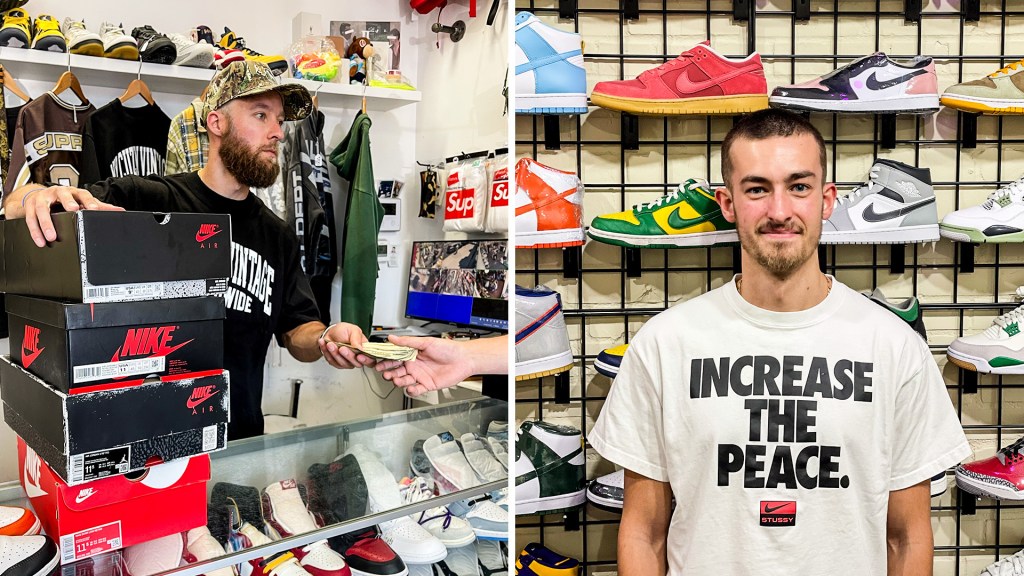
The youth-fueled industry led by Web 2.0 start-ups has purged the casual players, leaving space for only veterans, tech-savvy teens-turned-young-adults, and sellers sharp enough to capitalize on adjacent trends and storytelling.
“We’re seeing people become more sophisticated with their operations,” Brett Nilsen, a 25-year-old CEO and cofounder of Copyt, tells FOS. “Leasing out warehouse spaces, hiring out folks? It’s becoming a more efficient, professionalized, and scalable industry than it just was.”
One of the largest changes from five years ago: The reselling business is almost always less lucrative on a per-item basis. “Lining up for a pair of shoes that they could flip for $1,000? That’s no longer realistic,” Nilsen says. “You need maybe a hundred shoes to flip to make that same $1,000.”
With margins nowhere near what they used to be and taste as fragmented as ever, part of the new hustle for resellers has become expanding their offerings.
“It’s not just about Jordans anymore,” Spano says. “We’re selling Labubus right now, which is crazy. But it’s an accessory and has that same feel to a Jordan selling out. We’re always pivoting towards new things. One year we were selling the new PlayStation. You’ve gotta adjust because you can’t make the money that it once was.”
At the same time, adjusting entrepreneurs like Spano have pivoted to taking on a low-margin, high-volume approach with a revived interest in used sneakers.

In any approach, speed is everything.
Bryce Harris, a 23-year-old GM at Austin’s Aisle 5 says there’s still a very good market “as long as you can get them gone quickly. … They’re looking to buy them early or relatively close to retail. As soon as they price up? They forget about it.”
Nilsen, who also provides inventory management solutions for stores, acknowledges the work Coolkicks and Whatnot are doing in the live-auction space—an emphasis on vertical video led by well-known reseller personalities who peddle shoes in flash events to create urgency. Auctions are also popping up on TikTok. The result is a more viral model that’s gaining speed and traction, notably with used sneakers.
“It’s not grail items that do well on Whatnot, it’s largely beaters,” says Nilsen when describing well-worn sneakers that are restored. “Shoes that sellers buy for $10 or $20 a pair from a local collector and they’re able to quadruple their money—sure, it’s $10 into $40, nothing astronomical. But that margin is very hard to come by in any other channel.”
Selling beat-up shoes for $40 in 2020 was neither a news story nor a business model. In 2025, however, it can be an opportunity. Engaging a captive audience now allows a new bridge for storytelling and hype that can move product; Spano has curated a distinct online personality with the help of a stand-up comedian who happens to be on staff.
This type of stream-to-sell model could be the future for wholesalers of all disciplines looking to clear out warehouses. What Whatnot is doing with Coolkicks could someday be a model Nike, Adidas, or other brands eventually jump on. “The small players are going to dictate the culture,” Harris says. “The big companies will distribute the systems.”
Resellers may not be controlling the trends or market, but they are innovating the methods in which shoes are sold and purchased. This entrepreneurial energy is necessary in a constantly evolving aftermarket that may not be as easy to earn in as it once was, but it still proves lucrative for those doing it right.
“This market has provided smaller fish the capabilities of being bigger whales,” Nilsen says. “It’s becoming similar to the global financial market or commodities markets. The ‘sneaker market’ has expanded. It’s now streetwear, toys, Labubus, and accessories. Taking that all into account? I think we’re much closer to that $30 billion number than we realize.”
Download the FOS App
The business of sports, in your pocket.



Scan the QR code to get the app now.