Want more from Front Office Sports
in your search results?
After several PGA Tour players raised concerns during the 2026 season about the impact sports betting is having on professional golf, the Tour is increasing efforts to prevent further disruption of its on-course product.
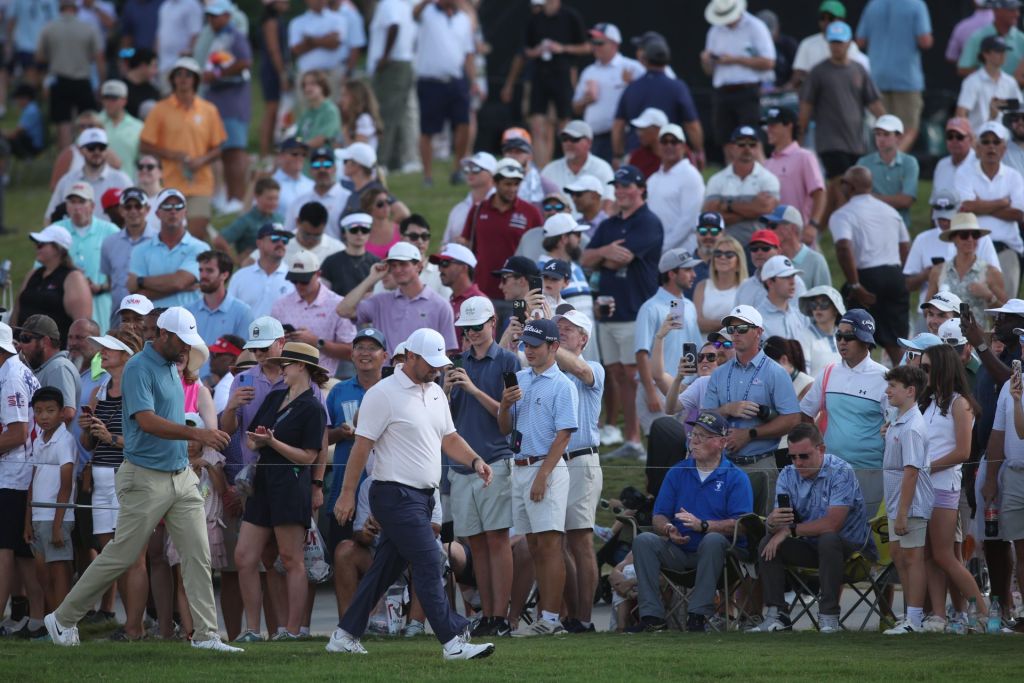
“We are concerned about fans interacting with our players in a negative manner, and certainly the potential for fans to try to impact the competition in some way,” PGA Tour senior VP of tournament administration Andy Levinson said at the Tour Championship last week.
The Tour is adding security measures to better control poor crowd behavior during the 2027 season, including training volunteers to identify and report fans causing problems. “We’re revamping our fan code of conduct,” Levinson said. “We’ve put a lot of effort into that. We have an ambassador program, which is a group of volunteers that is being trained to be amongst the crowds and look for certain types of behavior and then notify security.”
New programs are also being created to help track and monitor online commentary from fans about players they have bet on. Less than 5% of ejections at PGA Tour events this year were from sports betting-related incidents, according to PGA Tour VP of gaming Scott Warfield. “One is one too many for us and it’s why we spent the summer talking to players getting their feedback on this, leading to some of the stuff we’re looking at for 2027 with the tracking of harassing comments that usually start on the course, go online, or vice versa.”
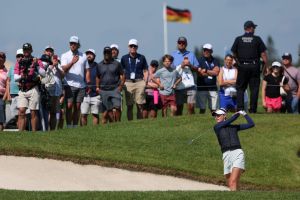
Earlier this year, PGA Tour players Jordan Spieth and Matt Fitzpatrick were among those to express concern about how susceptible golf is to fans impacting on-course action, given their proximity to players inside the ropes. “It may not last very long, but you could impact a shot if you wanted to,” Spieth said in June, suggesting that US Open champion Wyndham Clark facing a hostile crowd at Shinnecock Hills could have been gambling-related. At the WM Phoenix Open in February, a content creator paid a fan $100 to yell during the backswing of a golfer.
“We are trying to take as many steps as we can,” Levinson said. “At the same time, if you’ve got 10,000 people standing around a green and somebody decides to blurt something out, those things are really hard to control. So, we do rely on decorum a little bit at golf tournaments. In some markets we’ve seen that deteriorate.”
Still No Prediction Markets for PGA Tour
As the reach of prediction markets in sports continues to grow, the PGA Tour has yet to partner with one, and players are not allowed to sign sponsorship deals with prediction markets. “We’ll get in when we’re ready and when it’s right for our members,” Warfield said. “It wasn’t in 2026; we’ll see what it is in 2027.”
The PGA Tour’s cautious stance on prediction markets comes as the NFL and NBA have also not yet made the prediction market leap but the MLB and NHL have; the USTA just signed Kalshi as the exclusive prediction market of the US Open.
“We’re getting more educated,” Warfield said. Like many other sports entities, the PGA Tour has concerns about prediction markets’s regulatory status as the Commodity Futures Trading Commission (CFTC) and states jockey for control. There are a number of ongoing lawsuits related to whether event contracts on prediction markets are legal financial trades or illegal sports bets.
Download the FOS App
The business of sports, in your pocket.


Scan the QR code to get the app now.