Want more from Front Office Sports
in your search results?
Last year, College Football Players Association founder and executive director Jason Stahl sat down at a restaurant in Florida for yet another dinner with an FBS football player.
Stahl had spent four years trying to organize college football players to form a union—Zoom meetings, phone calls, trips to college towns, and meals with players across the country—that had yielded plenty of false starts. But this was the dinner that would finally lead to his first team chapter.
“That player said, ‘I don’t think it’s gonna happen here. Or if it does, this place ain’t gonna be the first,’” Stahl told Front Office Sports. “He said, ‘What you need to do is get in touch with [players at] the school I transferred from: Stanford.’”
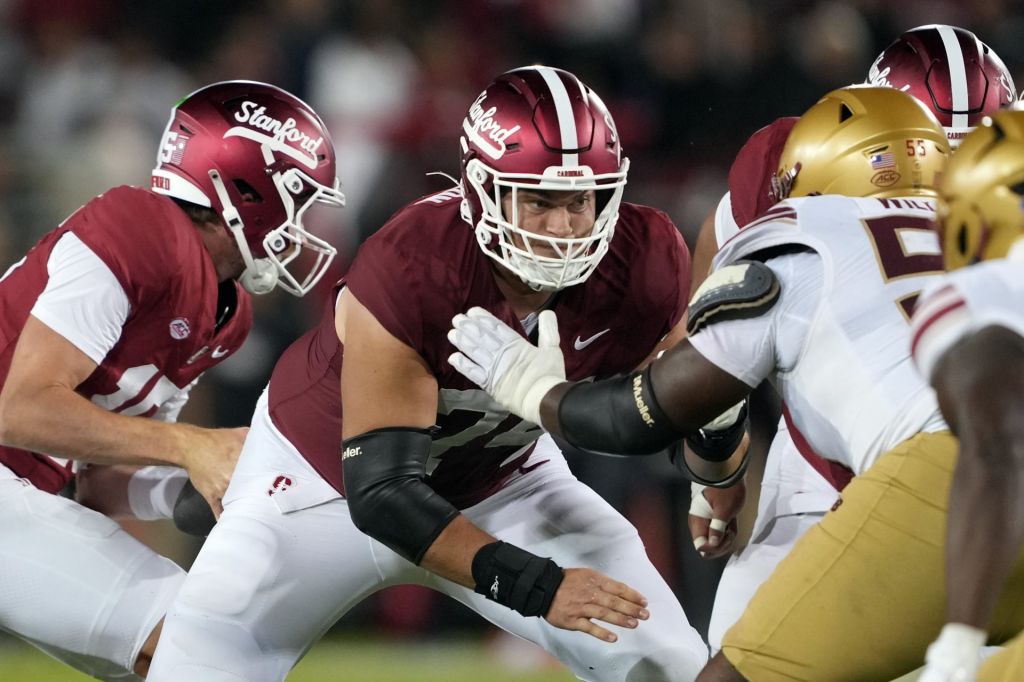
On Monday, Stanford football players formally launched the CFBPA’s inaugural team “fraternity chapter.” The CFBPA is working to launch chapters at football programs across the country, and Stahl said conversations with multiple schools are progressing. Eventually, these chapters serve as the basis for a formal college football players’ union, where players can organize and negotiate with each conference.
Though at least two teams have tried to unionize over the past 15 years, none have been successful. The CFBPA’s effort at Stanford could mark a historic milestone in college football.
Senior lineman Fisher Anderson, one of the leaders of the group, told FOS the ultimate goal is to “do what the NFLPA does for college football.”
“We want to bring it to this level, knowing that this sport in college is becoming increasingly professionalized,” he said.
A Fledgling Movement
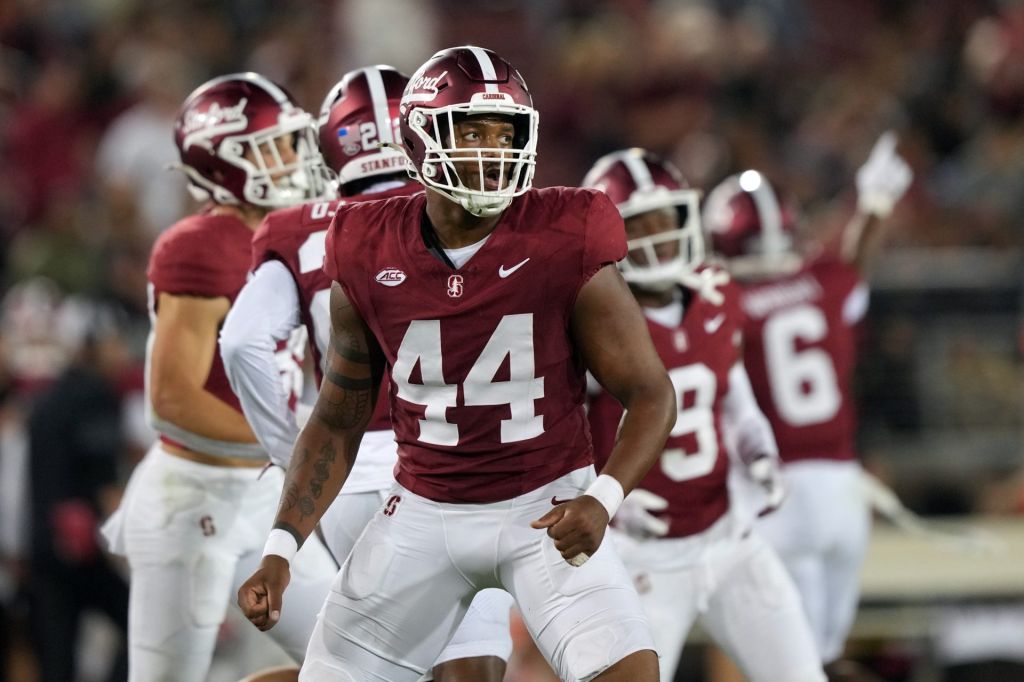
Last summer, Anderson and Stanford linebacker Ernest Cooper—both redshirt juniors at the time—got on a Zoom with Stahl to hear the CFBPA’s pitch. The players liked what they heard but still spent eight months vetting Stahl and his organization, having countless conversations with him about the potential benefits of player organizing.
Finally, they invited Stahl to Palo Alto to meet with the team in early July. He stayed for several days, meeting with players and answering a barrage of questions. By the end, enough players had agreed to form a chapter, with Cooper and Anderson serving as official player reps. “Just seeing that openness and that genuineness of Jason is what got a lot of guys on board,” Cooper said.
The CFBPA is not currently releasing membership numbers, Stahl said, both to protect player anonymity and because “we don’t want our strength to be seen as a public scoreboard.” Numbers will become public when players eventually unionize.
Stanford football coaches are aware of the organizing effort, players said. They brought the idea to the team GM, former NFL star Andrew Luck, and others on the coaching staff were aware as well. “They’ve kind of maintained a stance of being neutral but positive,” Anderson said.
Stanford declined to comment for this story. Luck declined to comment through a Stanford spokesperson.
To date, neither the NCAA nor power conferences have endorsed collective bargaining, either, and have spent millions of dollars in Congress lobbying against college athletes being deemed employees.
A Long-Term Strategy
For now, the organization is focused on educating players and growing their membership.
“It’s really hard to start something like this,” Anderson said. “We want to break that ice across the entire landscape of college football—specifically in our conference, in the ACC. We want other teams to know that this is something that’s encouraged and they’re not going to get backlash for it.”
But ultimately, they say bringing the NFLPA’s model, with a formal union and collective bargaining, to college football would be beneficial for everyone.
The CFBPA could provide stability and clarity across college sports, in addition to protecting player rights, they argue. In the pros, collective bargaining agreements negotiated between leagues and players’ unions establish free-agency restrictions, salary caps and luxury taxes, and other stabilizing rules. (The players said unionizing is more palatable than the Protect College Sports Act, which they say doesn’t adequately include athlete voices.)
Cooper said he wants the CFBPA to help players navigate the NIL and revenue-sharing contract process, especially when they decide to transfer and get hit with lawsuits. Anderson spoke of a future with health and safety standards and player compensation minimums negotiated with conferences.
“Where I see the CFBPA come in, is trying to be a mediator for [players], or trying to be a middle man to obviously put the college football athlete first,” Cooper said. “And go to these institutions and trying to reach an agreement not just for one player, but for multiple.”
A Political Obstacle
Formal unionization—which requires filing a union petition with the National Labor Relations Board—has been unsuccessful in college sports (attempts have been made at Northwestern football and Dartmouth men’s basketball).
Given that each presidential administration can appoint NLRB board members, it’s even more difficult now. President Donald Trump’s NLRB is considered pro-employer and hostile to college athlete unionization, while former President Joe Biden’s NLRB general counsel Jennifer Abruzzo has said certain college athletes have the legal right to unionize.
To file a petition, Stahl is waiting for a more labor-friendly administration. “What we’re doing here is building for the future,” he said. “Just as there are certain political possibilities that exist now, there are political possibilities that exist in 2027, and 2029, through which college athletes could gain collective bargaining rights. This will happen.”
He also addressed a common critique of college athlete organizing: that unionization through the NLRB is possible for only private-sector employees, meaning public universities aren’t included.
Athlete advocates have argued the “joint-employer doctrine” could solve this issue: Players could be considered employees of not just their universities but also their conferences or the NCAA—all of which are private organizations. Stahl says that because revenue-sharing contracts at Big Ten schools are issued by the conference—rather than the schools themselves—they could create a precedent for the conference to be considered a player’s joint employer.
“The switch would be relatively seamless, and this is what other [FBS] conferences need to do,” Stahl said. “And then, you solve the problem.”
Even if successful, these obstacles will take several years to overcome. As redshirt seniors, the players recognize they won’t get to experience the full benefits of their efforts. But they hope they’re laying the groundwork for a better future in college football.
“My personal opinion,” Anderson said, “is that it’s inevitable if we want college football to continue to operate at the high level that it does.”
Download the FOS App
The business of sports, in your pocket.



Scan the QR code to get the app now.