Want more from Front Office Sports
in your search results?
By: DaWon Baker, @dawonbbaker

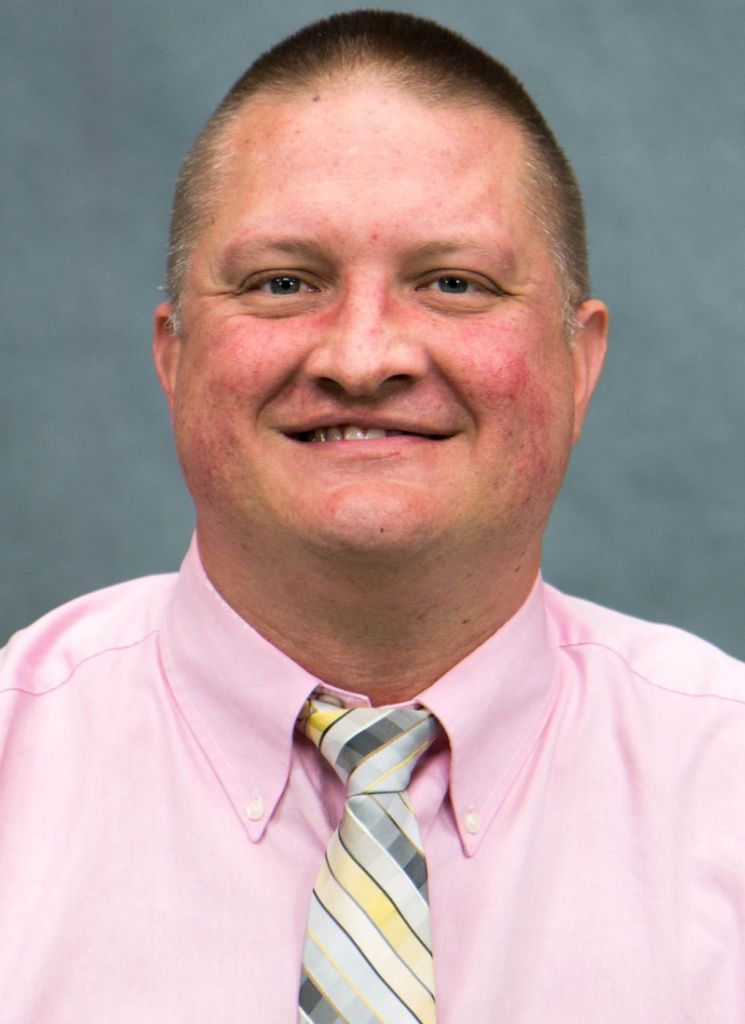
Front Office Sports had the opportunity to chat with James Gibson, Director of ICAC, Inter-Collegiate Athletic Consulting, a sport-consulting group that assists colleges and universities with issues related to athletic and recreation programs. James has had experience as an athletic trainer, a faculty member, and as an administrative staff member in college athletics. James gives us a rundown of being a consultant, the importance of starting early, and seizing opportunities in athletics.
What influenced you to work more in the sport business world?
I really had no intention at first. I was going to school to be a teacher and a coach, and I got a job working in the athletic department as an undergrad. I continued to work in the athletic department as a graduate student, and it just kind of grew from there.
You worked as a faculty member as well as a member of a full time athletic program staff, can you describe how education helped in your position?
Because of my undergrad experience as a student trainer, and being licensed and certified, I was able to teach athletic training classes in an accredited program. That education was crucial in my ability to teach at the collegiate level to undergrads. At most of those schools, to help finance the positions, teachers have to teach part time, usually six hours, and were given a release from the faculty position to do their administrative duties.
Now, that’s not so much the case. Now most schools are not funding it in that method, they may fund it all out of athletics. People may still teach under different funding mechanisms, but my education was a clear indicator that guided me to be able to do those teachings. And even with my masters, it definitely helped because I was able to expand what I could teach. With a master’s degree, you can teach in the field that your degree is in, so that guided me to have the opportunity to teach at the college level.
You are currently the director of ICAC, Inter-Collegiate Athletic Consulting. How did that opportunity come about, and how did this organization come about?
ICAC came about from going to the College Athletics Business Management Association (CABMA) Convention. I had been going for several years and met up with the managing director and founder of ICAC, Andy Fellingham. I created a relationship with him and before I knew it, he was asking me to come on board and assist with a project. I started doing that and got involved in the marketing and business development aspect and it grew from there. It was really about the relationship I had with the founder; by going to the professional organization meeting we had in the summer.
Andy created ICAC. Andy retired from Wall Street, and went back to school and essentially emerged himself into college sport. He did it the old fashioned way, he did his research and became well read in college sport. You would think that someone coming from the private sector would not know much about college sport, but when you get in and read and do the research, you can learn a lot. Andy and several other individuals from public and private sector work came together and created ICAC.
One of the things he requires of his consultants is to have other priorities besides consulting. We do not bring on full time consultants. We take on people who are working in the industry currently, and do consulting part time. Part of the reason we do that is to keep people abreast of issues, trends, and information that is going on throughout intercollegiate athletics, so that they are experts in the field and subject matter experts. We believe that working in the industry helps in that aspect. We have a consultant for every area that touches college athletics and sport in general.
Can you describe consulting in college athletics?
You get word that a client is looking for some help, whether through word of mouth or internet inquiry or something different, but typically you would have a brief encounter, and then you could go from three weeks to three months before you hear from them again about moving forward. After hearing back, you do all the research about the client and start pulling documents from them, and then you would do an interview and talk to the people who are making the decision. Usually it’s the president, or athletic director, about 85% of the time it may be the athletic director that is looking for the consultation. Then, we go in and use a certain tactic.
We have a number of tactics we use, depending on the type of problem or consultation needed. We go in and interview people; we visit with faculty, staff, administrators and others. Depending on what they’re looking for, whether they want a recommendation, a how-to, we develop a “white-paper” as we call it. We develop that with the school in draft form, and make sure it is answering all the questions they wanted answered in the initial engagement. From there, we put everything together and make a final report.
What advice would you give someone who wants to get into consulting?
One thing you should do is learn how to write. You have to be able to write like an academic person and have very good writing skills so that you are able to write clearly. The end user needs to be able to understand what you are saying, and that you are getting your point across in the method that you are writing or doing the project. You may come to a project when you are writing about some sticky issues and you need to craft the message clearly and understandably.
The other thing is you need to stay on top of everything that’s going on in athletics. Intercollegiate athletics is changing everyday and you need to be well read, whether that’s reading articles in the newspaper, getting on listservs, or reading material and stories from others. You have to know what’s going on and stay ahead of the curve and research and learn about those areas to be a significant partner with the school you are working with.
What advice do you have for someone looking to work in the sporting industry?
I think it’s important to know what organization you want to work for, and getting in early. If you want to work in college athletics, head over to your athletic department and look for the opportunities as early as possible. I mean early as in your freshman year if possible. You also have to go in knowing that you may potentially work for free, and are unafraid to do so.
I know that some people may not have the finances to do so, but take advantage of anything that will get your foot in the door. It will set you up for opportunities that you do not even know is out there. If you go into an athletic department and say “hey I can only give you two hours a week,” that can be two hours that you start creating relationships with people. If you are in a business and setting that people see that you are truly interested in learning about, those two hours can change your life. It’s really about getting into the organization as soon as possible and talking to every person that you can talk to.
I do not mean hounding people nonstop, but creating relationships that are meaningful, and finding people you can talk to, who will eventually recognize your name when they hear it. It may come a time when you may need that person to say “Oh yea I remember him/her, they did work with us as an undergrad.” This may come in handy when you are applying for a graduate assistantship as well. But you want something that people will remember you by in a good way.
Any last words you want to leave with readers?
Always look for opportunities. You never know how those opportunities will change things ten years down the road, and remain patient. Things may look greener on the other side, but patience is a virtue and sometimes you may need to hold on to something you may not like to get to something you do like and it will help you in the long term.
You can check James Gibson and ICAC out on Twitter and LinkedIn!
Download the FOS App
The business of sports, in your pocket.



Scan the QR code to get the app now.