Want more from Front Office Sports
in your search results?
The Commodity Futures Trading Commission this week demanded that Novig and ProphetX not list sports event contracts they have self-certified and asked the companies to explain why the markets comply with federal commodities law, Front Office Sports has learned. The move could foreshadow further action against other prediction-market operators.
“It’s kind of a warning shot” to prediction markets, one source says.
The agency sent letters to the two companies saying they have made what are known as false self-certifications, multiple sources tell FOS. That means they’re planning to offer event contracts that may not be allowed under the Commodity Exchange Act, a federal law that governs futures and options trading.
Prediction markets like Novig and ProphetX can self-certify and list contracts without requiring advance approval, although the CFTC can take action after the fact if it determines a given market should not be allowed. In this case, the contracts at issue have been self-certified but not yet listed, meaning users cannot trade on them yet.
Specifically, the regulator told Novig that micro contracts the company has self-certified, such as those based on who will score the first points in a basketball game, are susceptible to manipulation. ProphetX was informed that “scorigami” contracts it self-certified do not meet the definition of a swap under the CEA. (A scorigami occurs when the final score of a game has never happened before in the history of the sport.)
The companies will have an opportunity to explain to the CFTC why the contracts in question should be allowed.
A CFTC spokesperson confirmed the letters were sent to Novig and ProphetX.
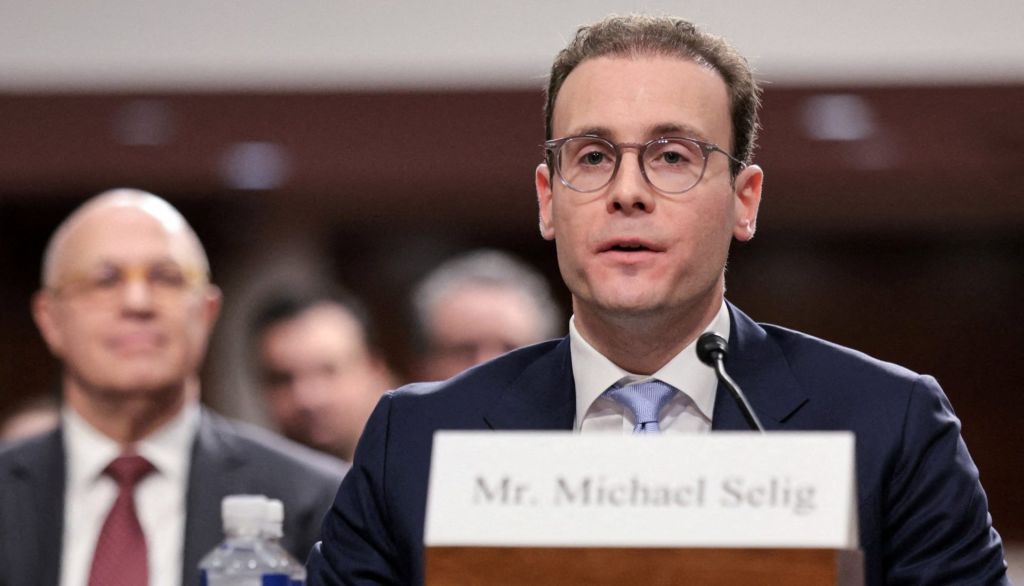
“Any derivatives contract offered by a CFTC-regulated exchange must be compliant with the Commodity Exchange Act,” they said in a statement. “The CFTC’s rejection of ‘micro trades’ today reflect a broader commitment from Chairman [Michael] Selig and the CFTC to protect consumers from potential fraud or manipulation. We will continue working with our registrants to ensure prediction markets offer the valuable information that they have for decades.”
A ProphetX spokesperson confirmed it received outreach from the CFTC, saying agency staff “requested that we voluntarily defer listing the Scorigami contracts pending further review, not that we withdraw them.
“We complied with that request and have since provided additional analysis supporting the contracts’ regulatory compliance and economic utility,” they added. “We remain constructively engaged with staff.”
A representative for Novig did not immediately respond to requests for comment.
The CFTC would not confirm whether this is the first time the agency has demanded that a prediction-market operator remove a sports event contract it self-certified.
The move is part of a “broader cleanup” Selig is attempting in the prediction-market industry, sources tell FOS. Last month, FOS reported that the CFTC issued letters to a range of prediction-market platforms, including Kalshi, Polymarket, Rothera, and Novig, seeking information on their incentive programs over concerns that some companies are using misleading promotions to attract traders.
The broad cleanup is being undertaken ahead of the CFTC’s anticipated final rulemaking, which will clarify what is and is not allowed in the prediction-market industry. In June, the regulator issued a 267-page notice of proposed rulemaking that would restrict in-game props, which let people predict things like the next pitch, and limit markets for high school sports.
The letters issued this week come as senior CFTC officials have held discussions with companies, including DraftKings and FanDuel, telling them they risk similar action if they list micro contracts, the sources say. One source says the Novig and ProphetX markets at issue are the types of event contracts that pro leagues have provided the “most negative feedback” about.
Sources say other exchanges have voiced “frustrations” to the CFTC over the regulator’s stance that micro bets not be allowed on prediction markets since many state-level gambling regulators allow such wagers. Last week, the NBA restricted the player props and micro bets its sportsbook partners can offer, including bets on who will score the first basket of a game. Those new restrictions impact only traditional sportsbooks, not prediction markets, which the NBA has yet to formally embrace.
The letters order Novig and ProphetX not to list the contracts for the time being, but it’s unclear what steps the agency might take if they don’t comply.
Download the FOS App
The business of sports, in your pocket.



Scan the QR code to get the app now.