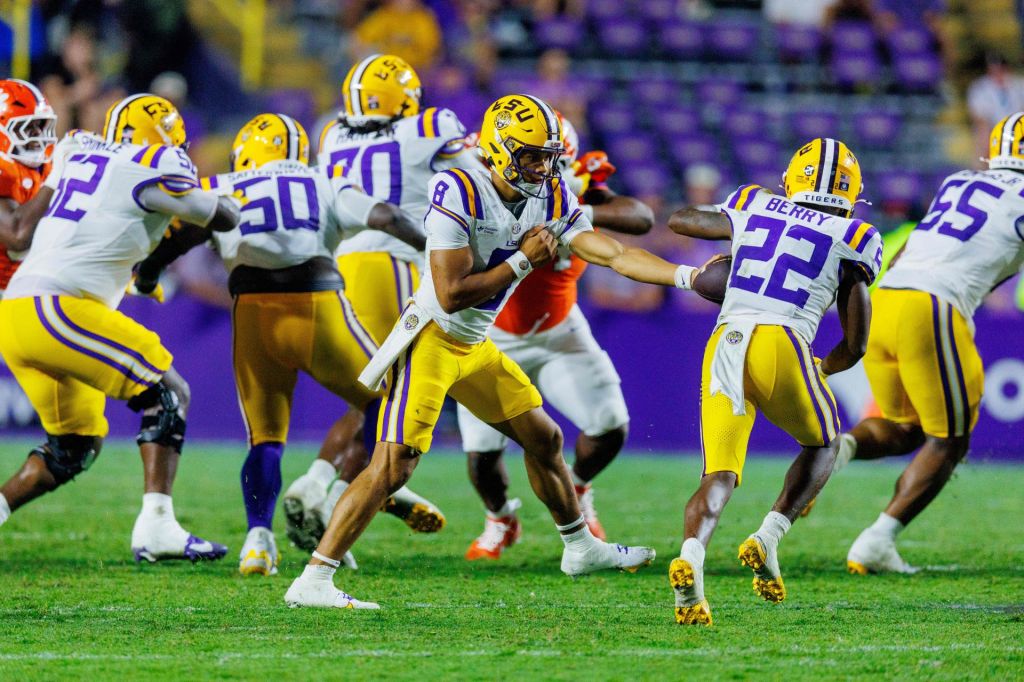
Over the past 24 hours, LSU has surrendered its position against the SEC over signing players previously listed on NFL preseason rosters. In doing so, it appears to have avoided the nuclear option the conference threatened earlier this week: expelling the Tigers from the conference altogether. But the terms of LSU’s surrender have not been finalized.
The SEC was scheduled to hold a call of university presidents on Thursday that, according to court documents, would include a vote on whether to kick LSU out of the conference. But at the conclusion of the virtual gathering that day, the SEC released a statement that did not mention any specific penalties against LSU. The conference did not confirm whether a formal vote took place, but the implication is that LSU will remain a member of the conference while the SEC continues to consider sanctions.
“The presidents and chancellors of the Southeastern Conference met Thursday by videoconference to discuss recent matters involving conference expectations and responsibilities,” the SEC said. “Those discussions will continue as the conference and its member universities work toward an appropriate resolution.”
The ongoing dispute has been the focus of the college sports world as the SEC attempts to answer an existential question: whether a conference can successfully and legally enforce rules against member schools. The answer to that question has never been more important to administrators, given that the NCAA has been hamstrung by lawsuits and Congress may not have time (or enough support) to pass the Protect College Sports Act.
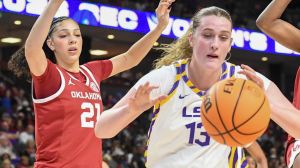
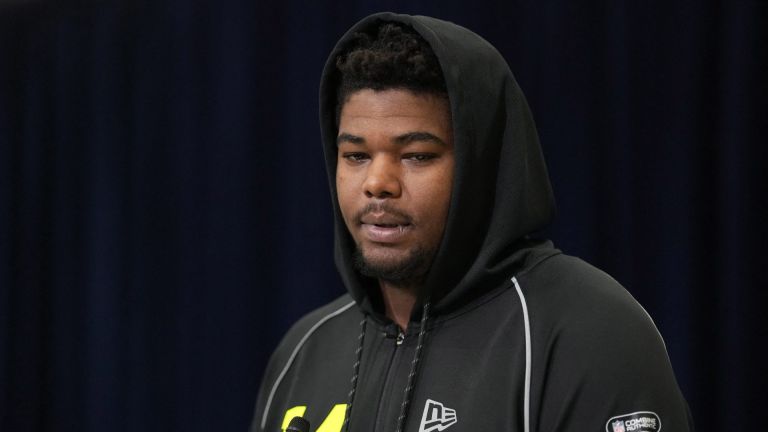
For the past two weeks, LSU and the SEC have been engaged in an escalating conflict over Dae’Quan Wright and Zxavian Harris. The two athletes, along with many others, filed a lawsuit in Louisiana state court in August seeking a fifth year of NCAA eligibility. Though the lawsuit was one of dozens filed around the country, it made waves because Wright and Harris had signed NFL preseason contracts and appeared on NFL rosters. LSU scooped them up.
The SEC, along with other conferences, announced a professional-player ban in an attempt to stop them. But neither LSU nor the players backed down—last week, the players won an injunction that protected them from both the wrath of the SEC and the NCAA. But the SEC sued LSU in federal court, asking for a judge to rule the league could legally impose penalties on LSU.
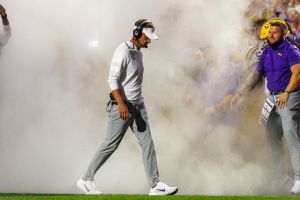
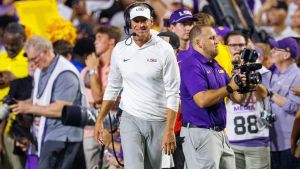
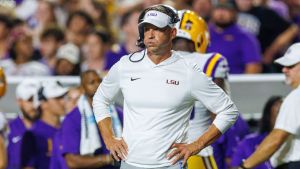
Because of the uncertainty, LSU coach Lane Kiffin chose not to roster the two players for the Week 1 matchup against Clemson. But the SEC wasn’t satisfied—the league escalated its legal fight on Tuesday, filing an amended complaint that said it would vote on Thursday to expel LSU from the conference.
On Tuesday night, LSU chose to add two other players to its roster, meaning Harris and Wright wouldn’t make the cut. Then, on Wednesday, LSU president Wade Rousse sent a letter to SEC Commissioner Greg Sankey confirming the Tigers did not intend to roster Wright and Harris at all this season. A hearing in the SEC’s lawsuit against LSU was postponed.
The conference did not confirm whether a formal vote—or informal discussion—took place Thursday regarding expelling LSU. But no penalties were specified in Thursday’s post-meeting statement, suggesting no decision has been made.
Now, instead of kicking LSU out of the conference, the SEC will consider penalties to assign its rogue member. For example, the conference’s presidents had previously authorized commissioner Greg Sankey to impose a suspension of any head coach for 50% of the season, a fine worth 50% of the sport’s operating budget, and revocation of SEC voting rights.
Meanwhile, the SEC has not confirmed whether it will continue to pursue its lawsuit against LSU.
A university spokesperson did not immediately respond to a request for comment.