Want more from Front Office Sports
in your search results?
Adam Blumenfeld’s career in sports was perhaps preordained.
In the 1970s, his father sold “tennis nets and dodgeballs” out of the back of his van in Memphis to schools and park departments, Blumenfeld says. Today, Blumenfeld is CEO of Varsity Brands, the KKR-owned parent of cheerleading business Varsity Spirit and athletic apparel and equipment supplier BSN Sports. Varsity Spirit runs cheerleading and dance competitions, camps, and clinics, and provides apparel and training to athletes, coaches, and teams.
Blumenfeld has dealt with his share of controversy, including multiple lawsuits alleging that Varsity holds a monopoly over cheerleading events, and others claiming it failed to prevent the sexual abuse of athletes by cheer coaches. He has also overseen significant business expansion, from BSN’s April acquisition of a company that sells soccer and lacrosse uniforms and gear to the launch of a pro cheerleading league, which in March completed its debut season.
Blumenfeld recently sat down with Front Office Sports to talk about his experience with major private equity owners, the legal controversies, and more.
Front Office Sports: Varsity Brands has had multiple private equity owners, including current owner KKR and past owners Bain Capital and Charlesbank Capital Partners. There’s a public perception that private equity is bad for society. As someone who has lived under private equity ownership for years, what is your take?
Blumenfeld: KKR has been phenomenal. This company has been through multiple private equity owners over the last 12 years, so I have some perspective on how firms of all different sizes work. With KKR, they are as crisp and commercially focused as they are philanthropic.
For example, under KKR we launched the Varsity Brands employee ownership program. KKR set aside $250 million at the start of their deal for us. If and when KKR exits, every single one of our roughly 8,000 employees will get a check as being an owner of the business. They’ve done all the work, and those checks will change the life of a factory worker or someone on the distribution side of the business.
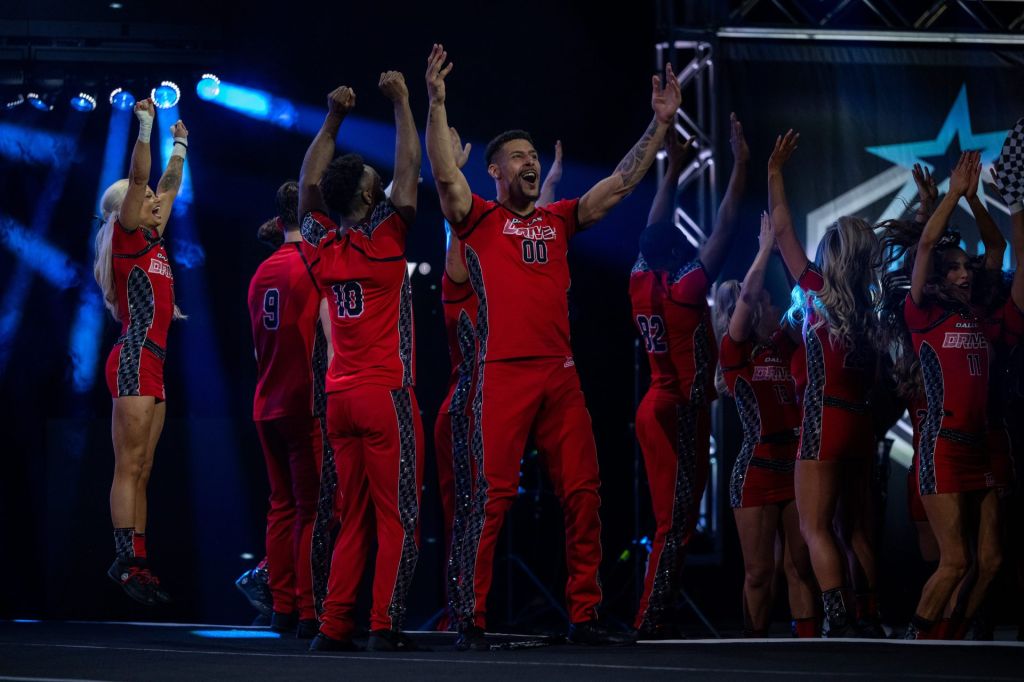
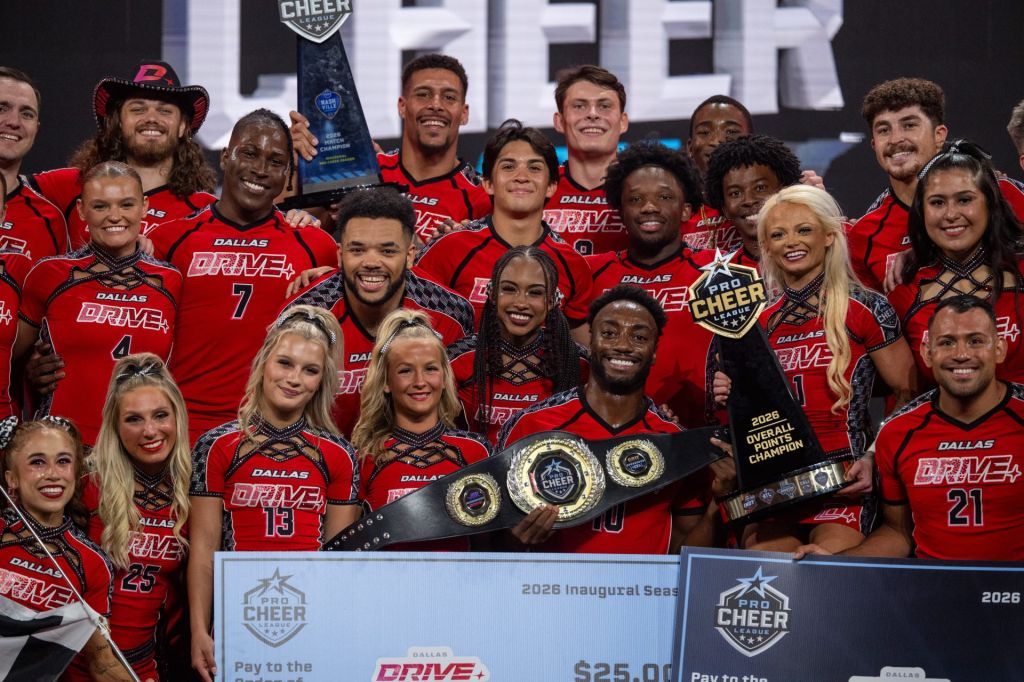
FOS: Pro Cheer League was announced last summer, and its debut season wrapped up in March. The five competitions were broadcast on Ion TV through a deal with Scripps Sports, and the full season drew more than five million unique viewers. Next year, two new teams will be added and there will be 10 televised matches. Has the league exceeded your expectations?
Blumenfeld: Pro Cheer is an extension of everything we’re doing in cheerleading, which includes first-class, premium events that culminate at Disney, the 6,000 camps we run where athletes are taught how to do the work and are put on a competition track that can ultimately take them to Disney and the Magic Kingdom, and more.
We’ve been pleasantly surprised in every way. We were told to expect one-tenth of the viewership we received. The success tells us that we’re bringing in new eyeballs for the sport, which we hope gets attention for the 2032 Brisbane Olympics.
FOS: In April, BSN acquired Sports Endeavors and Lax.com, which sell soccer and lacrosse apparel and equipment. How do you think about potential acquisitions?
Blumenfeld: The M&A that gets looked at between Varsity Spirit and BSN Sports are very different animals. We haven’t, and likely won’t, disclose the number of deals that we’ve done. We are in the game of profitable growth and have been for 55 years. What I do is look for opportunities to grow this platform, whether that comes organically or by acquisitions.
With Sports Endeavors and Lax.com, the people running those businesses are specialists. By bringing them in, we got expertise in two things: individual sports and a deep understanding of the club market where they operate. We’ve been mostly high school and college-centric. We’re just starting to ramp into the multibillion-dollar club market.
We will always continue to look at ways to partner with people who are excellent, especially in local markets. It all starts with culture. If you don’t have the right people, you can have the best business in the world and it will still fail.
FOS: Varsity Brands has been named in numerous lawsuits, a number of which claim that the company failed to prevent sexual abuse of athletes. Some suits have settled in the last couple of years, including cases centered on sexual abuse allegations and those focused on antitrust issues. What do you say to people concerned about those issues?
Blumenfeld: It’s important to note that in none of the cases were the people being accused of things actually employees of ours. There were no gyms we owned, and no people we employed. It has been guilt by association.
The company has always been focused on safety and security, but I’m really proud of what we have done in the last few years. And that’s no indication of a change from Bain to KKR, we just have worked really hard to both elevate our safety and security protocols and make those visible internally and externally. We have professionalized even further our protocols and have been doing lots of education within the broader marketplace.
“See something, say something” starts at home. There’s a role family and community can play in keeping predators out of any live sports experience, and that’s not unique to the sport of cheer, although we have received an undue amount of attention because of some bad actors who did bad things.
We are accredited by abuse prevention leader Praesidium and we have elevated security protocols at events that include local police and undercover police. There might be 70 or 80 undercover police at an individual large event today, which you would never know about. That’s the sort of enormous investment we can make with our scale.