Want more from Front Office Sports
in your search results?
Colorado district court judge Charlotte Sweeney issued an order clarifying that several restrictions that still remain on college athletes who may have been granted an extra year of eligibility through her surprise Friday night ruling.
Sweeney first ruled that the NCAA could not prevent athletes who had enrolled in college in 2022 from using a fifth year of eligibility, even if they had already completed four years of eligibility.
According to her latest order, though, players aren’t eligible if they’re over the age of 24 or have signed a professional contract. Sweeney also said they must abide by NCAA transfer rules, and their schools are still subject to the revenue-sharing cap and roster limits set by the House v. NCAA settlement.
The NCAA has already filed its first appeal in an attempt to overturn the ruling altogether. But for now, NCAA chief legal officer Scott Bearby told members how the association views the injunction’s limitations. “The District Court of Colorado has granted the NCAA’s motion to clarify the injunction and make clear that the House Settlement’s roster limits and benefits cap remain fully in effect,” he wrote in a statement. “Class members’ eligibility to participate will be determined by application of the age-based eligibility rule—iin other words, they must be within five years of when they first enrolled at any college or turned 19, whichever occurred earlier. All other NCAA eligibility rules, including rules regarding professional participation, remain in effect.”
The NCAA’s new “age-based” eligibility policy, passed in June, gave athletes five years to complete up to five seasons of eligibility starting the season after their 19th birthday or when they enrolled in college—whichever came first. But the NCAA also said that players who enrolled in college in 2022 and exhausted four years of eligibility by the end of this past season would not be eligible for a fifth year.
The decision triggered a flood of lawsuits, many at the state level, challenging the rule. A group of athletes filed a federal proposed class action lawsuit—Wisne et al v. NCAA—in Colorado and asked for an injunction applying to all players. On Friday night, Sweeney granted that injunction.
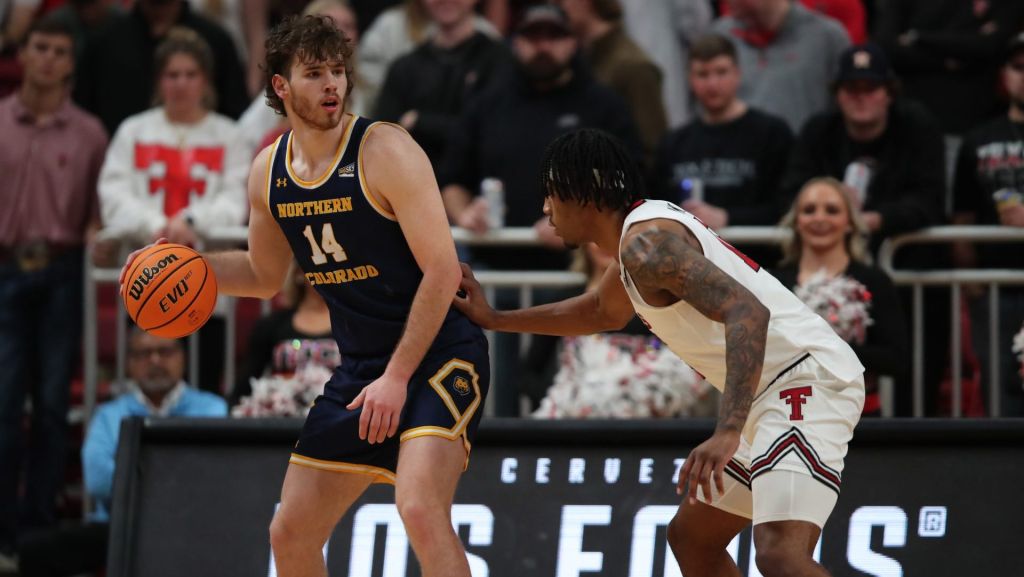
The named plaintiff is former Northern Colorado men’s basketball player Brock Wisne.
Not every player who started college in 2022 will be eligible for another year, according to her follow-up order from Sunday night. Sweeney said Sunday that the injunction she granted still allows the NCAA to enforce the age limit stipulated in its new policy. Players have a five-year eligibility clock starting the season after their 19th birthday, or when they enroll in college—whichever comes first. That means any player over the age of 24 is no longer eligible.
Sweeney also said that the NCAA can still enforce its transfer rules, including banning players from transferring if they didn’t enter the portal during their sport’s window. Players whose names were already in the transfer portal can transfer.
There is an exception, however: Athletes in state lawsuits challenging the age-based eligibility rule have received injunctions that allowed them to transfer outside the NCAA’s stipulated windows. But that only applies to the athletes who signed onto those cases.
Sweeney additionally wrote that the House v. NCAA settlement restrictions were also still in effect. Schools cannot go over the House settlement’s salary cap in order to retain players eligible through this order, nor can they go over the settlement’s roster limits.
Finally, the NCAA’s eligibility rules with regards to pro sports contracts still apply. In the case of men’s basketball players, for example, the NCAA has said it will not grant eligibility to any player who has signed a “professional contract,” whether that be an NBA contract or a two-way deal. Players who went through the NFL Draft process and signed NFL contracts aren’t eligible to return to college, either.