Vicious Infighting Is Jeopardizing the Future of Women’s Baseball
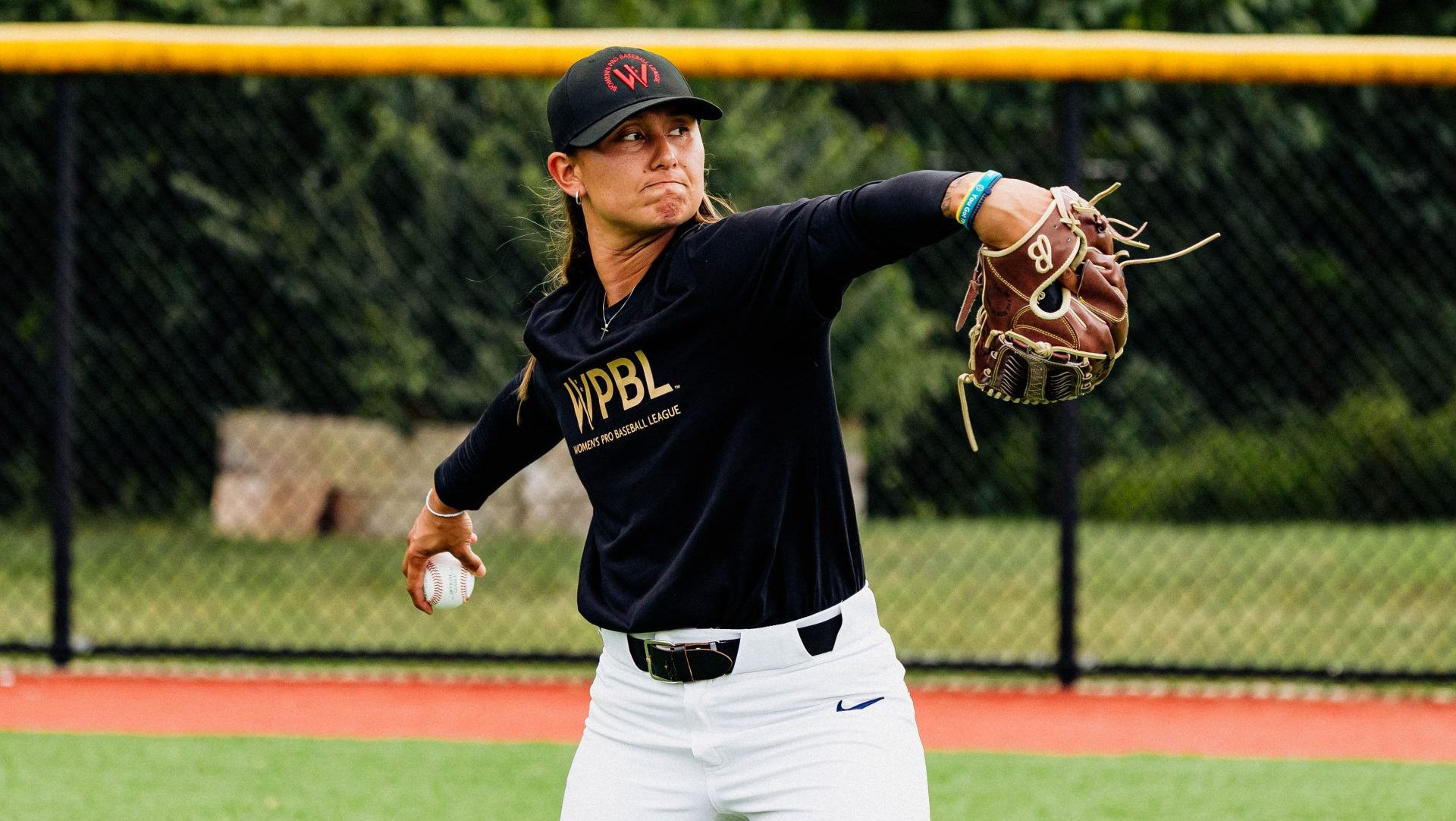
The last time women played organized professional baseball in America was 1954. That changes Saturday when the Women’s Professional Baseball League (WPBL) gets underway at the 5,200-seat Robin Roberts Stadium.
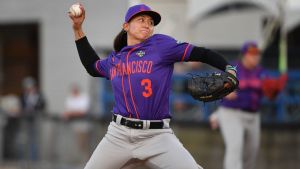
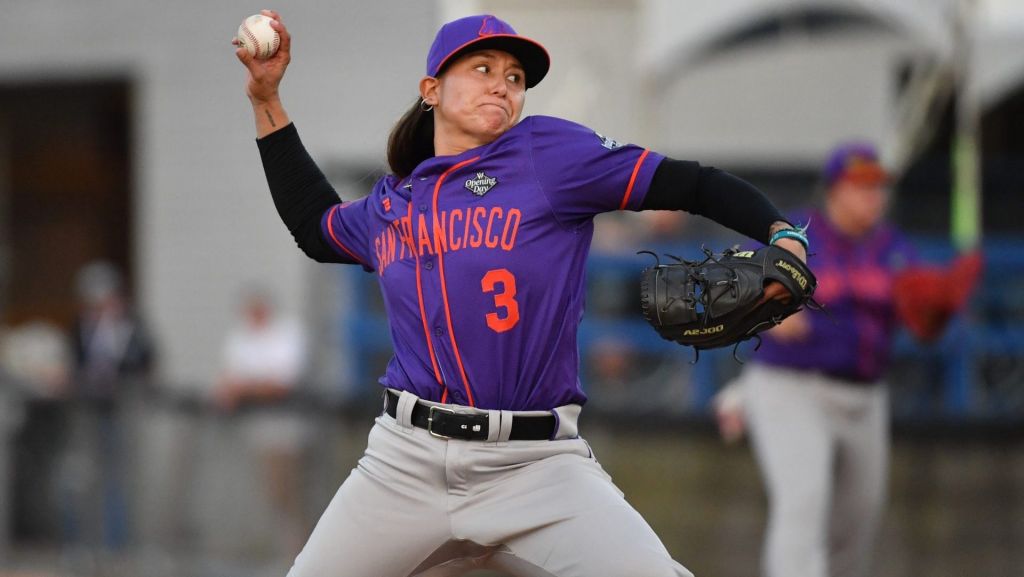
Throughout the next six weeks, 60 women from 11 countries between the ages of 19 and 37 will compete for four teams—the Boston Hunters, San Francisco Firebells, New York Heights, and Los Angeles Queens—across a 15-game regular season, played entirely in Springfield, Illinois.
These players got there by navigating varying levels of amateur women’s baseball infrastructure in their home countries, participating in an open-call tryout in Washington, D.C., last summer that drew more than 600 hopefuls, and ultimately getting signed via the league’s inaugural draft in November 2025.
The WPBL has already shown flashes of big potential: Before its first game, the league amassed around 600,000 social-media followers across platforms, launched a trading card program, and secured broadcast deals with ESPN and Scripps. Opening day sold out. The players—who are all temporarily stepping away from their homes and responsibilities as students, professionals, and parents—are ready to put women’s baseball firmly on the map.
Breaking Up the Boys Club
A slim majority of WPBL players are American, and “all of them grew up playing with boys in some capacity,” according to WPBL cofounder and commissioner Justine Siegal, who also has decades of rare coaching experience across the men’s professional baseball ranks.
In 2015, Siegal founded the nonprofit Baseball For All, which organizes girls- and women-only baseball tournaments around the country. It has since become an important destination for domestic women’s baseball development; she says approximately 25% of WPBL players are Baseball For All alumni. Since 2004, the U.S. has also fielded a national women’s baseball team that competes biannually in the Women’s Baseball World Cup. The pipeline for the team got a boost in 2017, when Major League Baseball lent its resources to Team USA to stand up its own girls tournament series.
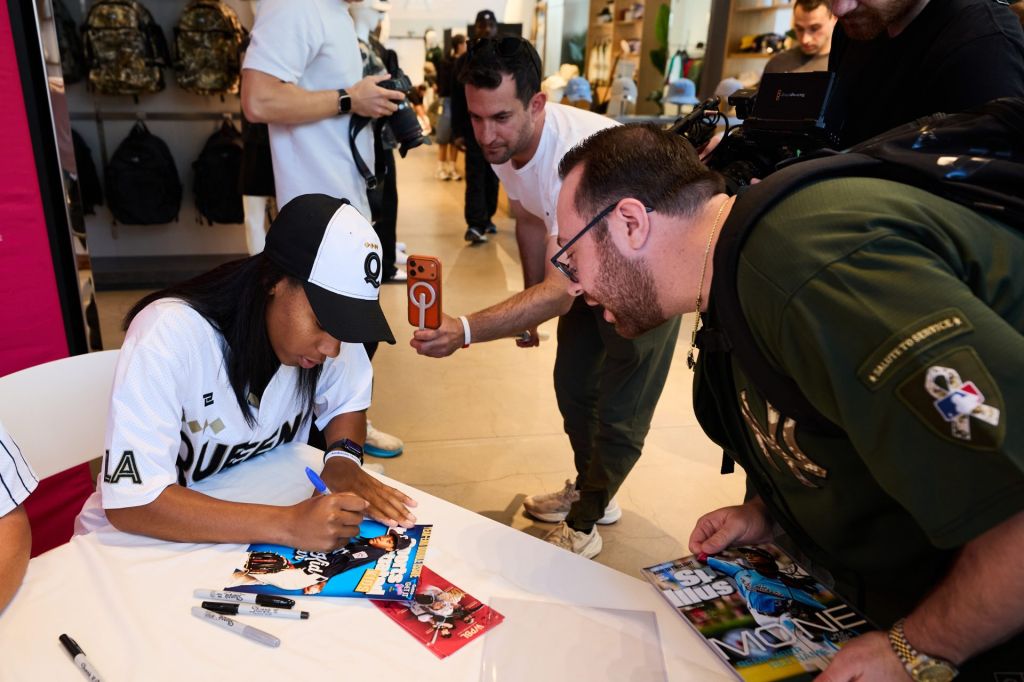
Most estimates put the total number of girls and women who play organized baseball in the U.S. today at around 100,000. Roughly a thousand compete on boys high school teams, and a dozen on men’s college teams. Two American WPBL players recently wrapped Division III baseball careers; four other Americans, all taken in the first round of the WPBL draft, currently play for Banana Ball teams, too, including former Little League sensation Mo’ne Davis.
Japan, Australia, and Canada are the next-most-represented countries in the WPBL, thanks to well-funded, gender-specific infrastructure.
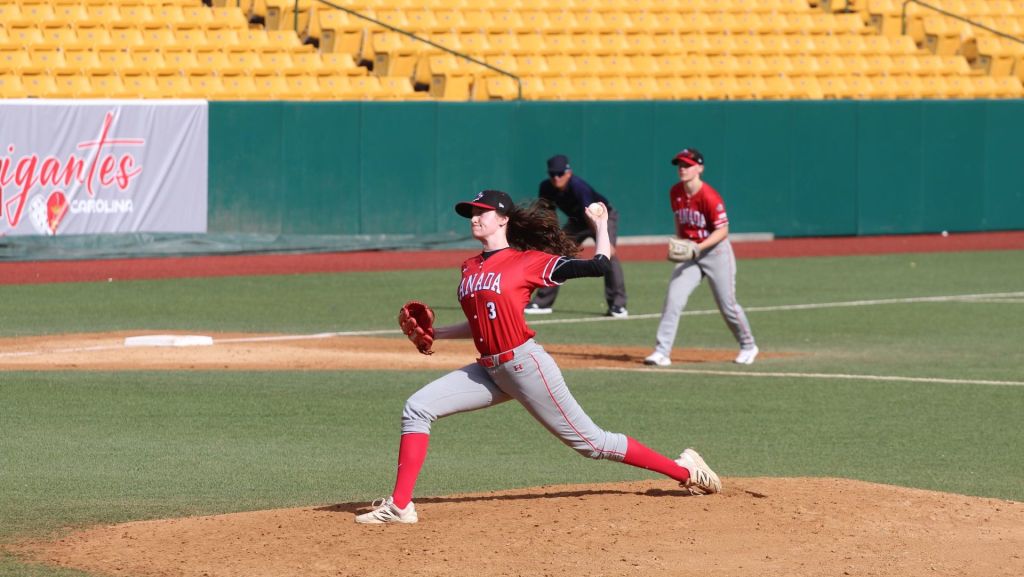
Founded in 2009, Japan’s Venus League is the world’s largest amateur women’s baseball organization. It has produced many of the sport’s top players, including 36-year-old pitcher Ayami Sato, whose 80-mph fastball will be the hallmark of the Queens’ rotation. Australia, meanwhile, is the only country with a dedicated Little League girls baseball national championship. Baseball Australia, the sport’s governing body, tells Front Office Sports that 6,000 girls and women are playing this year, representing 17.5% of Australia’s total baseball-playing population. Female baseball participation is also growing markedly in Canada, which has approximately 200 girls-only teams.
Like the U.S., all three countries participate in the Women’s Baseball World Cup, where Japan is dominant, having won seven consecutive titles. Most international WPBL players also compete for their respective national teams.
Baseball vs. Softball?
“The life of female baseball players typically involves other sports,” says Megan Cundari, who oversees girls and women’s development for Baseball Canada. “It’s been hard for anyone to dedicate themselves fully to the sport when they were young because, until now, the professional landscape was essentially nonexistent.”
Several Canadian WPBL players have backgrounds in elite hockey, including Madison Willan of the Heights. A standout player on the University of Alberta women’s hockey team, Willan was strongly considering a professional career in Europe before hearing about the WPBL—which was formally announced in October 2024—on social media.
“European hockey would have been at the same time the WPBL draft was happening,” she tells FOS. “I had to decide which route I wanted to go, and ultimately I went with baseball because I’ve always loved it a little bit more and playing it professionally has never been a possibility before.”
In the U.S., many girls baseballers also play softball in their youth, though some pick it up later on to pay for college. WPBL commissioner Siegal says a handful of the league’s best players, like Banana Ball star Kelsie Whitmore, received D-I softball scholarships without ever having played the sport.
This dynamic initially caused some tension between the women’s baseball and softball communities in the early years of Siegal’s Baseball For All efforts a decade ago. But now, she says, the two sports’ relationship has “become very complementary.”
Pulling Double Duty
FOS reported in 2025 that WPBL teams will operate under a $95,000 salary cap, from which players will be paid an undisclosed amount on a per-game basis. The league will also cover living expenses for players’ six-week stay in Springfield, and give them a cut of sponsorship money. (WPBL has three public sponsors: Horace Mann, Dick’s Sporting Goods, and New Era.)
To play and earn, many of them are stepping away from full-time gigs.
Firefighting and youth sports coaching are the most common occupations in the WPBL ranks. (“I swear they all recruit one another,” says Siegal.) Many of the younger players are also full-time college students, and one of the league’s oldest players, Meggie Meidlinger, is an architect who designs sports venues. Another player, Beth Greenwood, is even pulling double duty within the league itself, serving as both a catcher and coach for the Hunters.
The league doesn’t have a formal partnership with any major baseball leagues—yet. For now, it’ll lean on its highest-profile players, like Whitmore and Davis, to put the league on the map through their own massive social-media followings. The real test, however, is whether it can create a viable career path for the vast majority of women’s baseball players who are still unknown.
London Studer is one such player. The 20-year-old from Ohio, who played boys varsity baseball in high school, is taking a month and a half off from her job in the cadet program with the Columbus Division of Police to play for the Heights. But she doesn’t want to make that trade-off forever.
“Honestly, if this league really takes off and gets off the ground—like a WNBA-level—they’d never see me again,” she tells FOS. “My dream is for my whole life to be dedicated to this.”