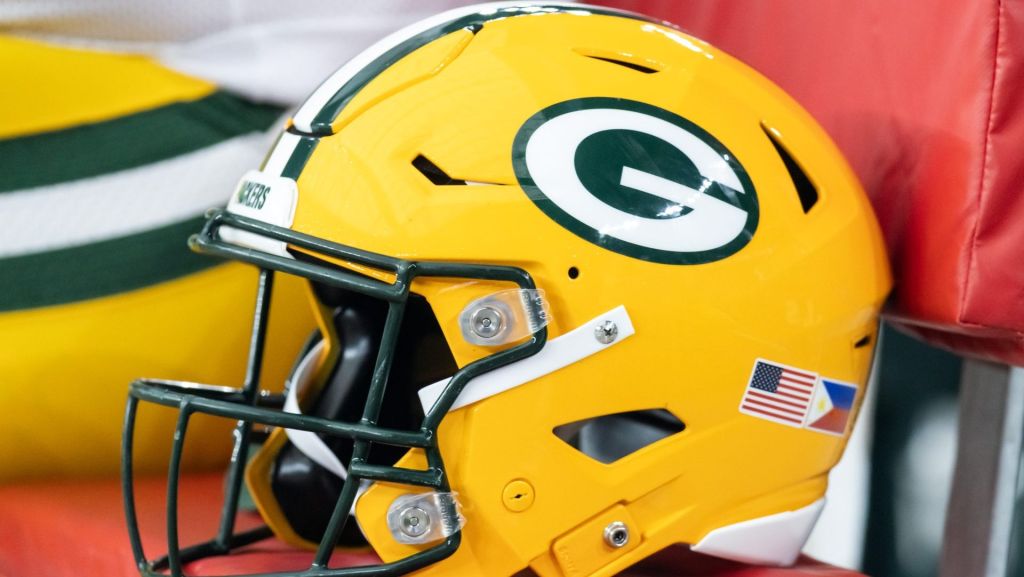
The Packers, and the NFL overall, remain a financial behemoth.
The team said late Friday that it generated a franchise record $753 million in total revenue for its fiscal year ended March 31, 2026, up 4.7% from last year.
Operating income, however, swung from a prior $83.7 million gain to a $1.1 million loss. That was largely due to a series of player contract restructurings that required an accounting of accelerated costs, including the arrival of Micah Parsons last year in a high-profile trade with Dallas. As a result, there was a $131.7 million increase in player costs compared to the prior fiscal year.
Even with that situation—and the Packers having only eight home games in 2025, down from nine in 2024 as part of the league’s conference-based schedule rotation—the team still saw sizable growth across key revenue drivers such as domestic media revenues, sponsorship, and international operations.
In addition to that $753 million in core operating revenue, the Packers reported $133.6 million in non-operating income from elements such as investment gains and its portion of the NFL’s 10% equity interest in ESPN. That allowed the team to post net income of $132.5 million, up by more than half from last year.
Overall, the Packers’ equal share of $453.2 million from the league means the NFL generated about $14.5 billion in national revenue. Most of that is from domestic media deals that are about to be renegotiated. That individual share of national revenue was easily more than enough to cover the Packers’ 2025 salary cap allocations of $290.1 million for players—before any locally generated revenue is considered.
The national revenue figure increased 4.8% from 2025, and is up by about half from five years ago.
“I feel very good about where the Packers are financially and economically in the short term and the medium term,” said Packers president and CEO Ed Policy, who formally succeeded longtime team executive Mark Murphy last year. “In the long term, I feel good. But I do think that there are some trends we’re recognizing in the NFL and we talked about some of those that I think can pose a threat to our long-term financial health.”
As the league’s only publicly owned team, the Packers provide a unique window into the financial state of the NFL, which continues to assert itself as the most dominant sports league on the planet.
The release of the annual financial report also arrived three days before a scheduled shareholders meeting for the team on Monday. That session will be the first to be led entirely by Policy.
The Packers will again have nine home games at Lambeau Field in 2026, helping set the team up for further financial growth in the current fiscal year.