Want more from Front Office Sports
in your search results?
KANSAS CITY, Mo. — Of the 11 U.S. metropolitan areas hosting the World Cup this summer, Kansas City is easily the smallest.
But it’s punching above its weight in this tournament. Four teams chose to make the region their home away from home during the tournament, and the Netherlands and Argentina are playing group-stage games here.
Kansas City is no stranger to soccer. The city calls itself the “Soccer Capital of America,” a phrase trademarked by MLS’s Sporting Kansas City a decade ago. Its NWSL team, the KC Current, opened the first U.S. stadium built for a women’s professional sports team in 2024. Even the titular character from the beloved soccer show Ted Lasso and the actor who portrays him are from the area.
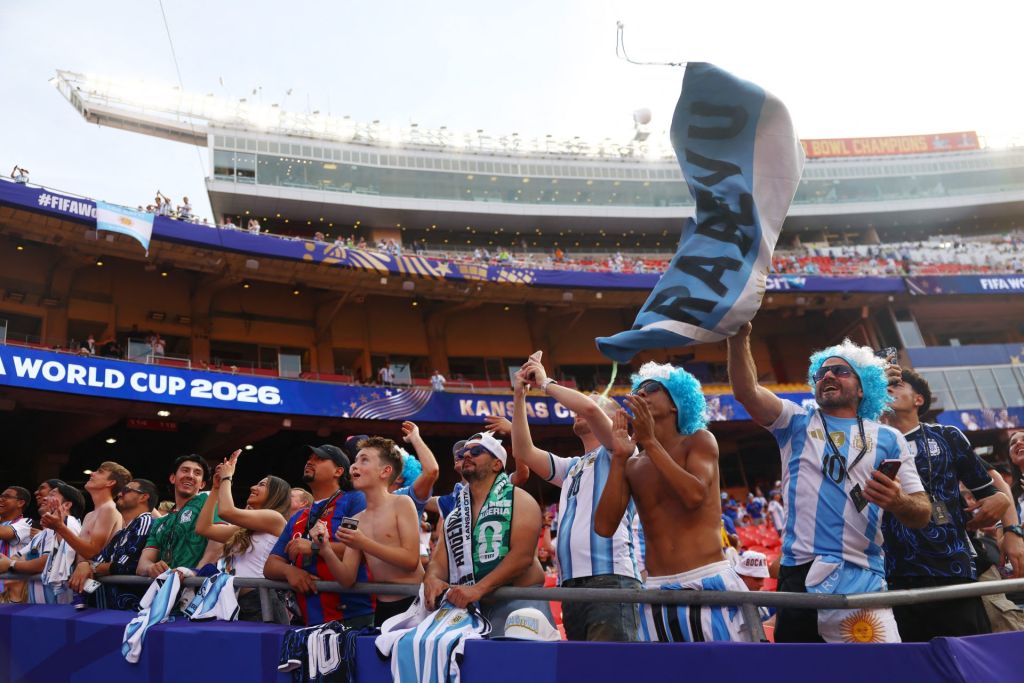
The city held its first match of the tournament between Argentina and Algeria on Tuesday night. Lionel Messi scored his first World Cup hat trick at the Chiefs’ GEHA Field at Arrowhead Stadium, a historic feat in a venue that will soon be abandoned as the NFL team moves across state lines to a $3 billion dome.
Base Camp Capital
Four teams chose Kansas City for their base camp: Argentina, England, the Netherlands—three of the world’s best teams—and Algeria.
The Dutch are at the training center of the NWSL’s KC Current. The Argentines went to Sporting KC’s training center. Algeria chose the University of Kansas, about a 45-minute drive from downtown in Lawrence, Kansas. Kramer says she got a call that England wanted to go outside FIFA’s official list to stay in Kansas City. The team is based at Swope Soccer Village, a facility owned by the city and managed by Sporting KC.
The Current have been on a building boom, and team owner Chris Long tells Front Office Sports the team got involved in the World Cup bidding process early in its own construction process. He says the team toured FIFA shortly after breaking ground on the training facility, and sent stadium renderings to FIFA and Concacaf to let them know what would be coming. About a dozen teams toured the facility for a base camp, he says, and with the Netherlands coming, the team spent $52 million to build another facility and 2,000-seat stadium next door so that the NWSL squad can use it to train while the Dutch are in town.
“There’s no question that the Netherlands selecting it is a huge validation in what we’re doing,” Long says. “I think when you add in all the intangibles, they more than offset the hard cost of it, which on its own wouldn’t make sense.”
And it’s impossible to tell the story of the World Cup coming to Kansas City without mentioning the unlikely pairing of the Algerian National Team and Lawrence.
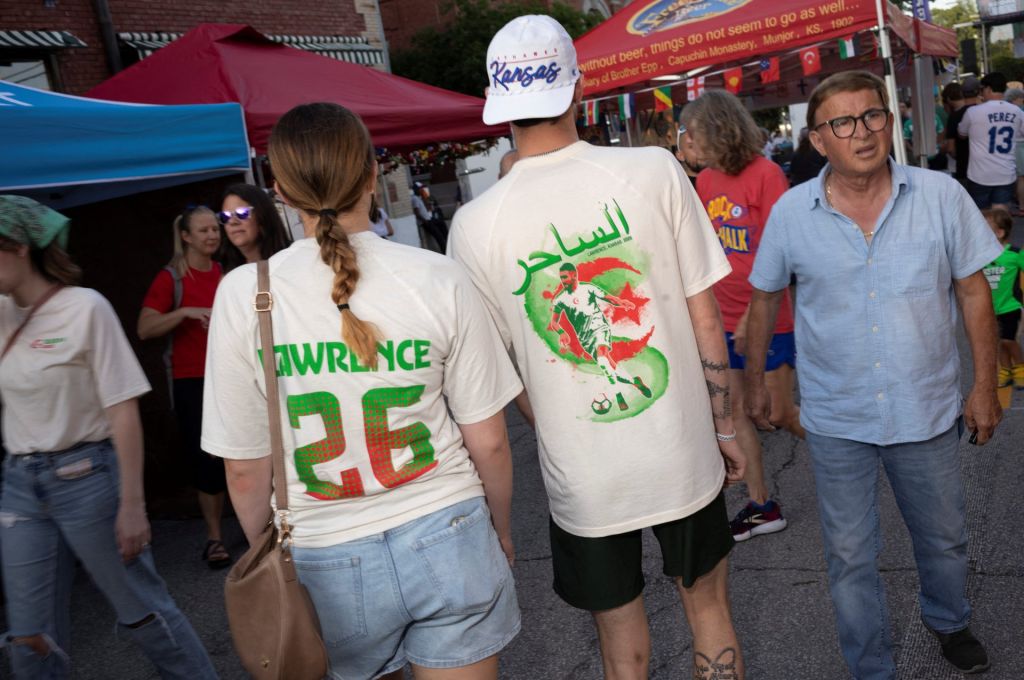
The Kansas City region is already home to thousands of Algerians, and the college town has embraced the team and its fans. A local artist created a giant piece of the Algerian flag, and the University of Kansas band learned the national anthem. The Lawrence Public Library is showing Algerian films, holding Arabic for Beginners courses, and offering Afrobeats dance classes for kids. “Rock Chalk, Algeria!” instantly became a tagline for the viral bond between the two.
The team has embraced Lawrence right back. The players tried their hand at basketball and American football, and kicked the soccer ball around with local children.
“It’s great,” Algeria’s Ibrahim Maza said in response to a question about Lawrence from FOS after Tuesday’s match. “Everything, the training facilities, you know. It’s top. We have everything. And yeah, just great support. Thank you, thank you to them.”
Algeria is the only team with two matches scheduled in Kansas City during the group stage. The team faces Jordan in San Francisco before returning to play Austria.
“I hope from a footballing standpoint as well that we can also make it through to the knockout stage and then maybe everyone from Kansas can travel with us to another city,” Algeria coach Vladimir Petković said in his pre-match press conference Monday.
Transit Woes
Like Dallas and Miami, Kansas City is one of the host cities that doesn’t have robust public transportation to the stadium. The host committee responded by selling $15 tickets for shuttle buses from a number of points around the city, including from the free Fan Fest.
But ahead of Tuesday’s match, the lines to get on those buses were incredibly long. Two fans from Colorado who had pre-purchased bus tickets shared a photo with FOS from the bus line at the Fan Fest, and said they only moved about 10 feet in an hour before ditching the ordeal for a rideshare. Analyst Jordan Angeli shared a similar experience on social media, calling the operation “pathetic.”
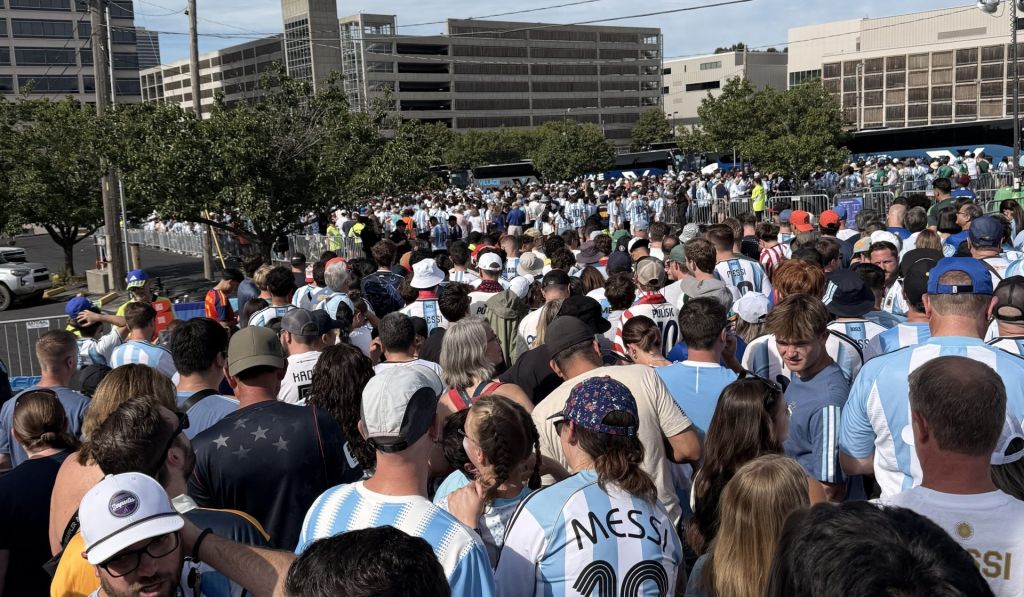
The traffic to Arrowhead Stadium was also brutal. The typical 20-minute ride from downtown took more than 90 minutes on the media shuttle. A local writer told FOS their trip was three hours. Fans were still making their way into the stadium around kickoff.
Kansas City’s host committee blamed FIFA for delays getting to the stadium.
“While the day was an extraordinary success overall, we recognize that some fans experienced significant delays entering the stadium complex and understand the frustration that created,” the host committee said in a statement Wednesday evening. “Transportation systems successfully moved fans throughout the region and to the stadium area.
“The primary challenge occurred at stadium entry, where operational constraints created congestion that affected all modes of transportation arriving at the venue. While decisions regarding stadium entry operations primarily rest with FIFA, based on yesterday’s experience, KC2026 and its partners have provided specific recommendations to improve operations ahead of Saturday’s match.”
FIFA responded in a statement late Wednesday: “FIFA and organisers will continue to work closely together to ensure that lessons related to traffic and transportation coordinated with local partners and access to the stadium precinct are learned ahead of the next matches and reiterate the request for fans to arrive early and enjoy the complete fan stadium programming.”
Once fans got inside, the atmosphere was special.
“I love soccer,” Kansas City local Kaitlyn told FOS at the match. “I don’t feel like we have it here, like this, in the United States. Kansas City, I think, is the closest you can get to that, but it’s been just amazing to experience the culture.”
The Business Side
Fundraising was a challenge for many of the host cities due to a combination of FIFA’s restrictions around unofficial partners and varying state funding. Host committee CEO Pam Kramer credits the area’s four professional sports teams—the Chiefs, Royals, and the two soccer clubs—for helping the host committee get on good financial footing.
“We’ve heard all of the constraints around fundraising,” Kramer told FOS on Tuesday. “I think we’ve been in a better position from the start because of what we call our founding funders, the four teams.”
The host committee received public dollars from both states, the city, and Johnson County, Kansas, as well as a number of corporate sponsors—both household names including Hallmark and less consumer-facing brands like JE Dunn. Many of those brands were on display at the city’s enormous Fan Fest, which is running for 18 days of the tournament. Kramer also touts Chiefs owner Clark Hunt, who owns MLS’s FC Dallas and whose father was one of the soccer league’s founders, for helping to rally the local business community.
As it’s hosting some of the biggest tournaments in the world, the city is also focused on how the World Cup can propel Kansas City forward. The host committee built a business meeting spot for the tournament called KCHouse, and has been working with the embassies to connect with C-suite executives traveling in for matches. Kramer said they had a “packed house” for a Monday roundtable on the business of agriculture.
“We attract people because of sports,” Kramer said. “And if we can turn that into people want to live here, people want to start a business, locate a second headquarters, whatever, I think those are the real opportunities.”
Download the FOS App
The business of sports, in your pocket.



Scan the QR code to get the app now.