Want more from Front Office Sports
in your search results?
Day 1 of the 2026 NFL Draft began with an overnight report that Patriots coach Mike Vrabel will miss the third day of the event as he continues to address the fallout from the Dianna Russini scandal.
According to ESPN, Vrabel won’t be present for Day 3 of the draft on Saturday as he seeks counseling and spends time with his family. Despite his physical absence, the reigning AP NFL Coach of the Year will remain in contact with the Patriots throughout the final day of the draft.
“As I said the other day, I promised my family, this organization and this team that I was going to give them the best version of me that I can possibly give them. In order to do so, I have committed to seeking counseling, starting this weekend,” Vrabel told ESPN. “This is something that I have given a lot of thought to and is something I would advise a player to do if I was counseling them.”
News of Vrabel’s altered draft plans came less than two days after he finally broke his weeks-long silence on the situation involving Russini, speaking to local media at the team facility on short notice and saying little.
Though the appearance seemed carefully stage-managed, the Patriots deny having used any exterior communications firms to manage their response.
“Neither Robert Kraft nor the New England Patriots have hired any external ‘crisis communications experts,’” longtime team spokesperson Stacey James told Front Office Sports.
The New York Post first published the photos of Vrabel and Russini holding hands and hugging at an adults-only resort on April 7, and Russini resigned from The Athletic on April 14.
James did not directly answer questions about a report this weekend from inTouch Weekly that Kraft, the Patriots owner, “had his honchos pressure the Post before they published and tried to kill the story” and “a notorious crisis strategist made the call but was unsuccessful in neutering the story.”
But James repeatedly said in messages to FOS that “Robert Kraft does not employ any external ‘crisis strategists'” and that the Patriots are not working with “any external PR strategists.”
Russini and Vrabel initially denied that the photos suggested they were having an affair, with Russini telling the Post that she was with six friends on a hiking trip and Vrabel calling the story “laughable.” But no proof ever emerged of Russini’s hiking group, and Vrabel would only say Tuesday that the publication of the photos led to “difficult conversations” with his family and others over a “personal and private matter.”
ESPN reported late last week that Vrabel and Russini coordinated their responses to the Post, and that Russini, at least, was working with what the outlet termed a “crisis communications expert.”
But not every company in crisis hires an outside firm, notes Mike “The Reputation Doctor” Paul. In fact, some rely on lawyers even if those white-shoe law firms aren’t well-versed in the dark arts of crisis management.
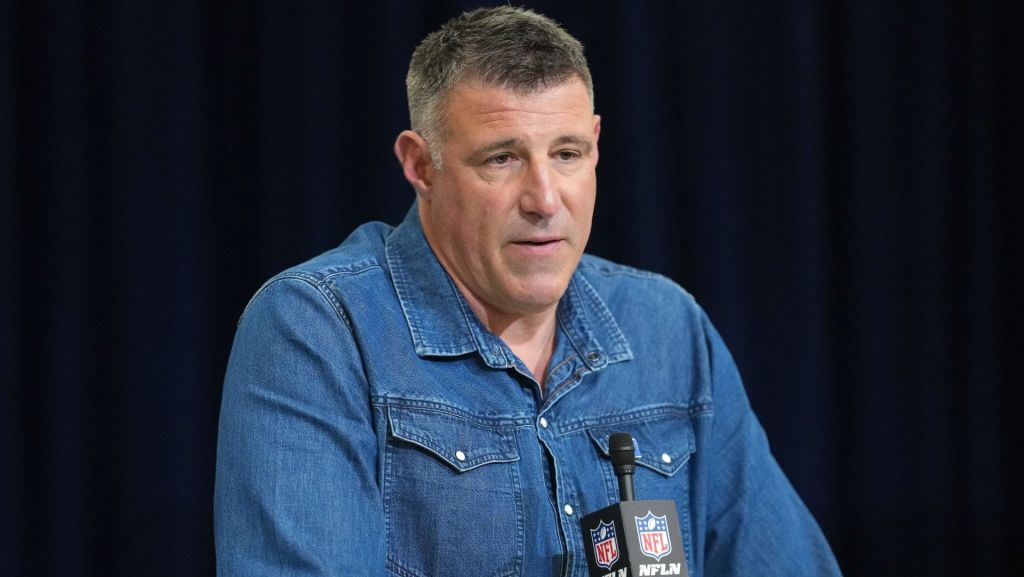
During his presser on Tuesday, Vrabel looked and sounded contrite. He was solicitous of the press. But he didn’t apologize. He didn’t admit any guilt. He didn’t comment on his relationship with Russini. He never mentioned the ex-Athletic senior NFL insider by name.
“It was definitely scripted. A true apology has no ifs or buts and has a full repentant heart. It’s more about heart work than head work to win back the ultimate currency: trust,” Paul tells FOS. “However, in sports some fans ultimately will divide his personal sexual situation from his coaching ability this season. If he wins, they will forget soon. If he loses, they will say maybe he could coach better if he keeps his pants on.”
Those who think Vrabel and the Patriots have been flying by the seats of their pants since the start of this scandal aren’t paying attention. In fact, their response has all the earmarks of a carefully choreographed crisis management operation.
First, Vrabel tried to dismiss the store as fake news. “These photos show a completely innocent interaction and any suggestion otherwise is laughable. This doesn’t deserve any further response,” he told the Post on April 7.
That didn’t work. Even though there was nothing more explicit in the photos than Russini and Vrabel holding hands and lounging in a hot tub, the pictures were suggestive enough to instantly become one of the biggest stories of the NFL offseason.
Two weeks later, Vrabel wasn’t laughing. So the Pats’ highly experienced communications team stepped up to help their embattled coach.
On Tuesday, the team told local press that “two players” were going to be available for interviews. That drew a bare-bones media crowd, with many regular reporters not in attendance.
With only five minutes’ notice, the Pats suddenly informed the press that Vrabel would be appearing instead of the players. The switcheroo worked to his and the team’s benefit, noted ProFootballTalk’s Mike Florio, as Vrabel finally addressed the elephant in the room.
“The approach ensured that the press room wouldn’t be swarmed by reporters who don’t regularly cover the team—reporters who would have no qualms about attempting to pepper Vrabel with questions after he made a statement that lasted a little longer than two minutes,” wrote Florio.
To provide even more air cover, the Pats dictated the rules of engagement during a subsequent “side session” with the coach. Ben Volin of the Boston Globe reported reporters had to turn off all cameras, including phones, and ask only football questions. Not all reporters complied. But the damage was done. Volin described it as a “last minute sneak attack” on the media.
“Though appearing transparent, the Patriots did their best to dictate the terms of Vrabel’s appearance,” Volin wrote. “It cuts against Vrabel’s message of accountability.”
Whether the Pats have, or will, employ a crisis PR firm remains to be seen. They might not have to. After all, no NFL franchise has weathered more scandals and crises. Spygate. Deflategate. Aaron Hernandez. Kraft himself faced two charges—later dropped—of soliciting prostitution.
So when it comes to handling scandals and bad news, the Pats are as good as it gets in pro sports. To the media’s chagrin, they proved that Tuesday when they played rope-a-dope with frustrated reporters. When it comes to crisis management, the Pats could give lessons to pros.