White Sox Co-Owner Mat Ishbia Endorses MLB Salary Cap—and Floor
Want more from Front Office Sports
in your search results?
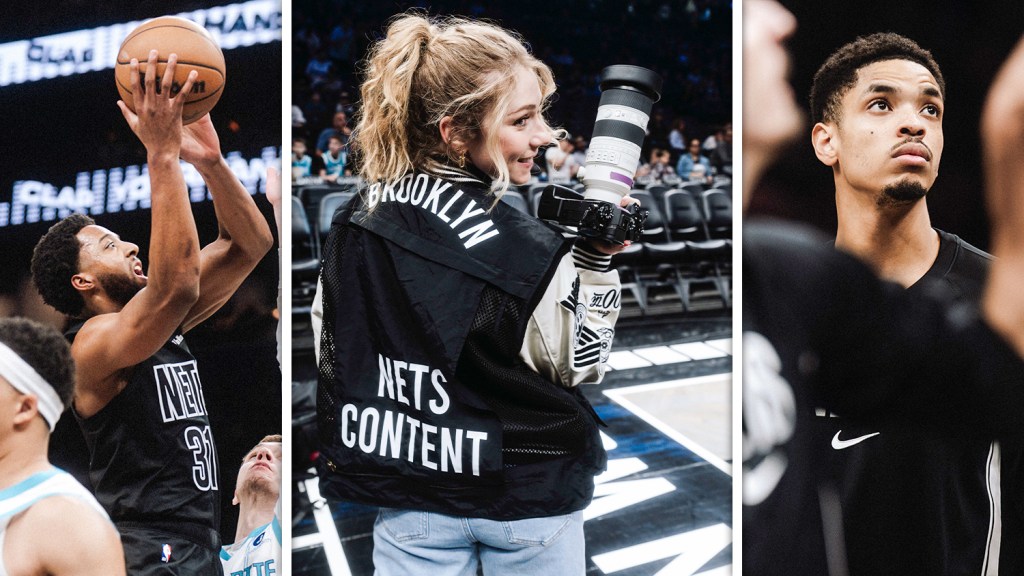
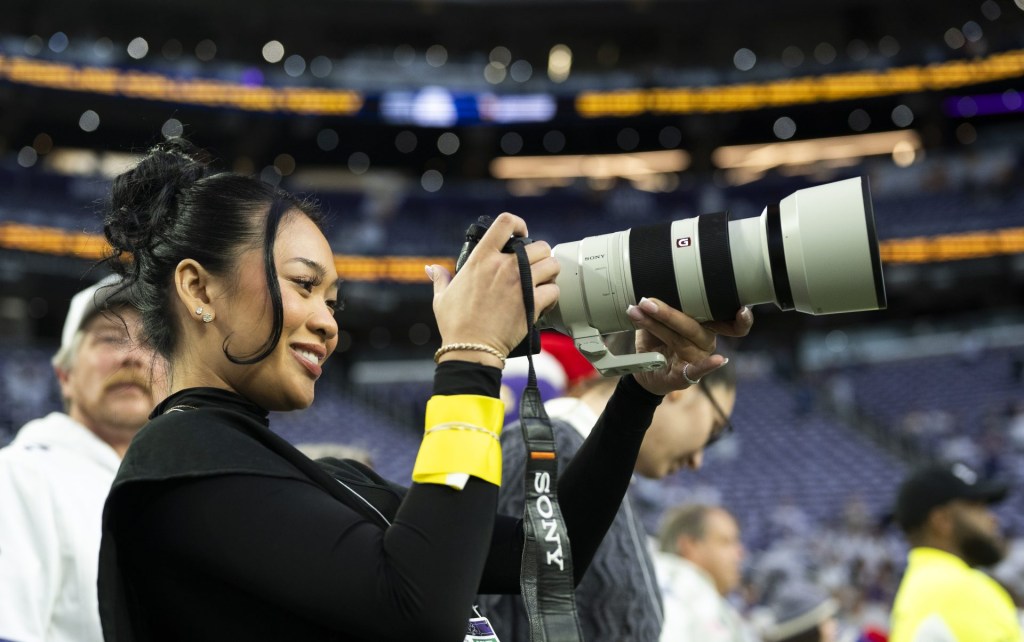
Mikaela Shiffrin spent a late-March evening at Barclays Center in New York, professional camera in hand. Sporting a black credentialed-media vest, the champion skier positioned herself courtside to photograph the Nets against the Hornets.
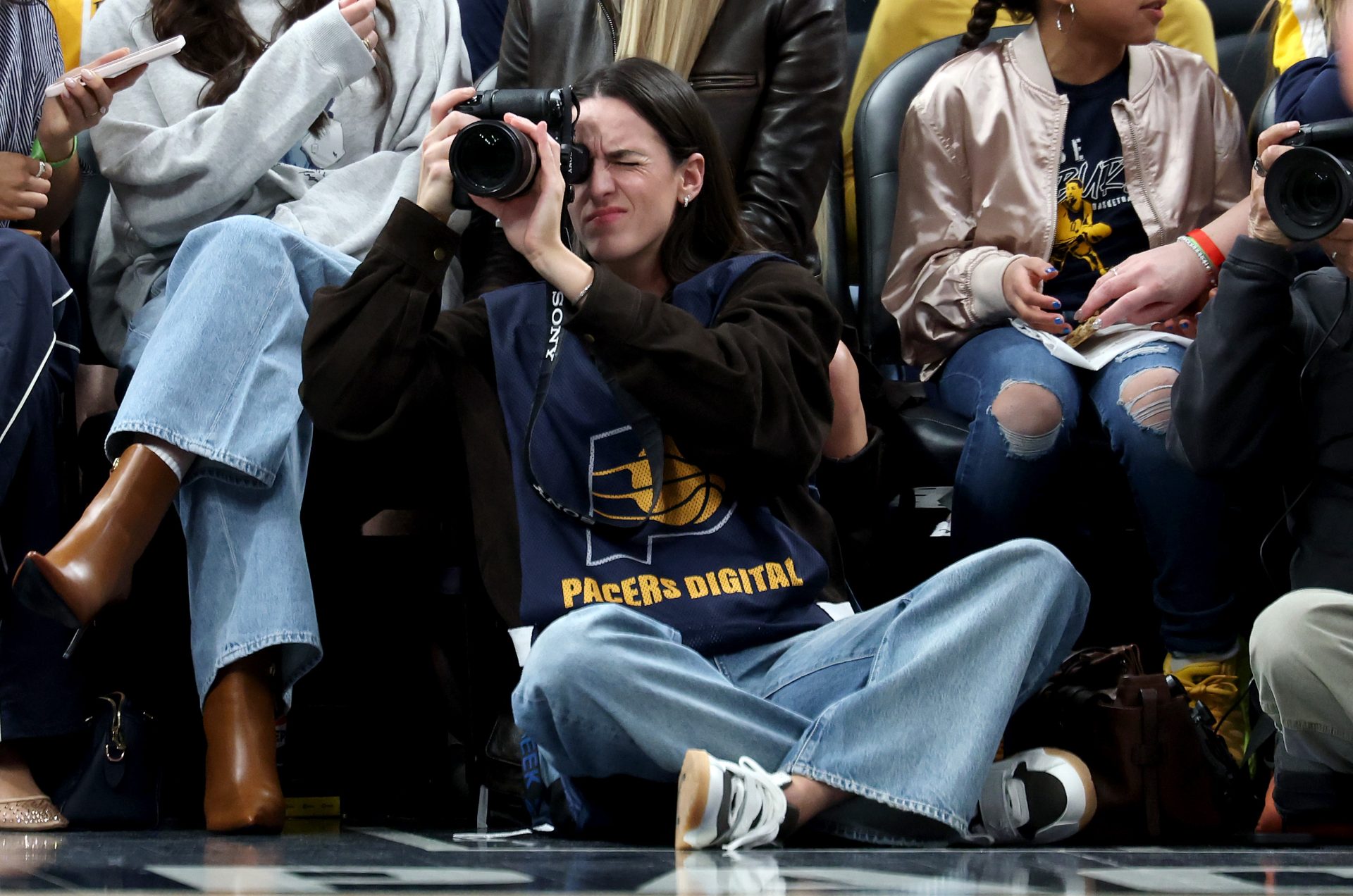
The appearance came together quickly as an informal stop on Shiffrin’s post–Winter Olympics press tour. Her publicist, Megan Harrod, had spotted Caitlin Clark’s photographs from a March 25 game between the Pacers and Lakers on her social media feed, and she saw an opportunity for her own client.
“I was like, ‘Oh, that’s such a good way to amplify [Mikaela] without it just being her sitting courtside taking in a game,’” Harrod tells Front Office Sports. She reached out to Brooklyn Sports & Entertainment, the Nets’ parent company, via a mutual contact. Shiffrin had credentials and a camera a few days later.
On game night, Brooklyn Sports & Entertainment team members briefed Shiffrin on how to use a professional lens, then set her loose.
Her game photos were posted across the Nets’ social platforms, and additional media of Shiffrin in action went out to the more than 115 million combined Instagram followers of the NBA, Barclays Center, Olympics, and Team USA accounts. Shiffrin’s personal account was, of course, tagged as a collaborator.
In the past year, several athletes have spent time behind the lens. On Christmas 2025, Olympic gymnast Suni Lee shot the Vikings’ win over the Lions in Minnesota; a few days later, fellow Team USA gold medalist Simone Biles headed to Sunday Night Football to snap the Bears versus the 49ers. Commanders cornerback Mike Sainristil also photographed from behind the glass at a Capitals game in March.
These athletes aren’t necessarily looking to become credentialed pro sports photographers the way some of their contemporaries, including Ken Griffey Jr., Randy Johnson, and Marshawn Lynch, have done since their retirement. But they are enjoying shooting games on the sidelines—as well as the attention that’s rolling in while fans can’t get enough of athlete content.
There’s no one formula for making these one-off shoots happen, says Alyssa Romano, CMO of the Talent and Properties division at agency Octagon, whose clients include Biles and Johnson. “Sometimes [an athlete guest photographer] will be set up for an entire game, sometimes just for a quarter or only for pregame. Outside media networks are sometimes involved, and will have access to the pictures they take, too. Every team has a department that handles external relationships and they all work on different timelines.”
For Shiffrin’s Brooklyn appearance, Brooklyn Sports & Entertainment EVP of marketing Andrew Karson tells FOS that the Nets were eager to accept the quick request to collaborate with the three-time Olympic gold medalist. They set her up to provide “unparalleled access” for fans who crave increased proximity to athletes.
Publicity arrangements like this are a win-win, Romano says: Athletes get to have a little fun, and teams and leagues get great content. Athletes in smaller sports, too, can get an extra boost from cross-promotion with major leagues. “Mikaela is the greatest of all time, but alpine skiing is niche,” says Harrod. “We’ll take any chance to do crossover stuff and get her in front of a bigger audience of sports fans.”
Getty Images is among the photography networks where athletes’ images land. VP of global sport Michael Heiman says the trend is “additive … athlete‑photographers can bring a unique peer‑level intimacy that complements traditional coverage rather than replaces it.” As social media helps make photos a story on their own, it’s only beneficial to have celebrities behind the camera.
Yet not everyone in the industry finds athletes’ dabbling quite so charming.
“The athlete-photographer trend can definitely glamorize this job,” says Arianna Grainey, a freelance sports photographer based in Phoenix. “A lot of people don’t know the hours that go into shooting and editing. It’s a lot of time away from family, a lot of missed holidays. Guest spots for athletes can make it look easier than it is.”
Abdullah Konte, sports photo editor at The Washington Informer, adds, “It’s a mostly harmless action to provide some fun to social media and PR teams. … The only time it becomes an issue is when people are getting pushed off their certain spots or losing credentialed access because they’re making room for someone to come in and shoot for a day.”
Athletes’ management teams tell FOS their clients aren’t looking to replace any career sports photographers—especially when many of these sideline guests are still in the height of their own competitive careers. They’re also not necessarily trying to join the ranks of Griffey, Johnson, or Lynch. Those former athletes have all spent years honing their craft behind the lens after hanging up their cleats and made legitimate second acts out of sports photography.
Instead, these images are meant to be a publicity push with a short shelf life.
Athlete-photographer posts tend to generate a lot of engagement on the day of a game and immediately thereafter—“everybody loves to see their favorite athlete doing something fun and creative during their off time,” Konte says—but content staffers at teams and leagues aren’t looking to build a long-term strategy around them.
Still, content is king in sports, so efforts like these will continue. They’re already taking different forms that are having an impact: At the Winter Games, many of the beloved first-person drone cameras were helmed by former Olympians; and at the World Baseball Classic in March, Julio Rodríguez carried a camcorder for the duration of the tournament. (“He had so much fun with that,” says Romano of Octagon. “He loves filming, and he’s really excited to edit and own that kind of stuff.”)
It’s the latest reminder that media work is no longer post-playing career territory for professional athletes—especially as they become increasingly interested in and adept at creative pursuits, and see the dividends pay out.
Download the FOS App
The business of sports, in your pocket.



Scan the QR code to get the app now.